Acerola Cherries: A Nutritional Powerhouse with High Vitamin C Content
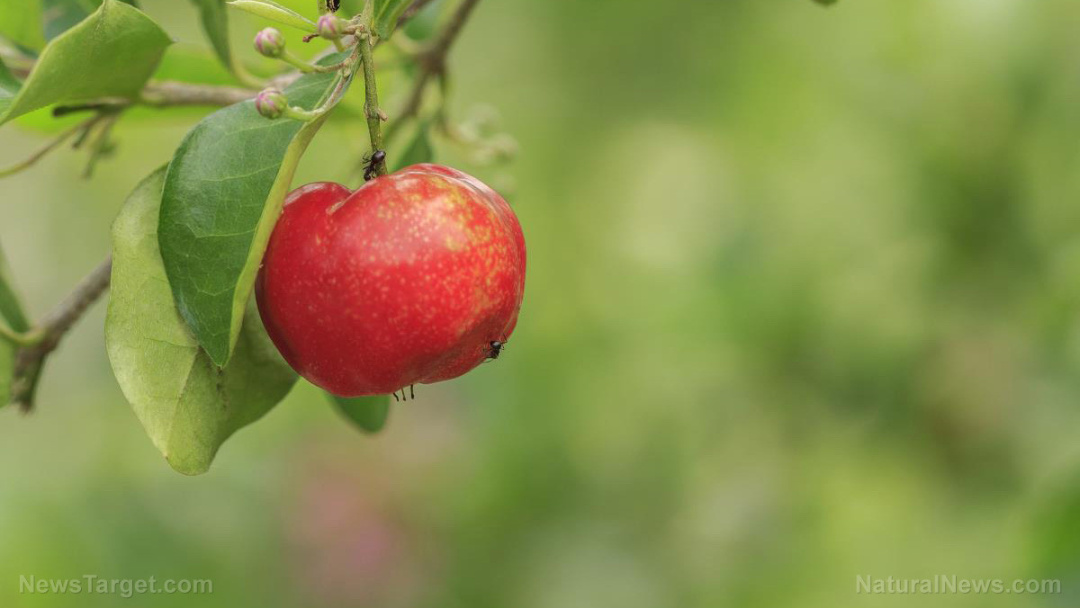
Acerola cherries, scientifically known as Malpighia emarginata, are gaining recognition for their remarkable health benefits, particularly due to their extraordinarily high vitamin C content. This tropical fruit contains an astonishing 1,680 milligrams of vitamin C per 100 grams, which is 50 to 100 times more than that found in oranges or lemons. Native to the Caribbean and parts of Central and South America, acerola cherries have been traditionally utilized for centuries to address various health issues, including colds and liver disorders. Despite their common name, they are not true cherries, belonging instead to the Malpighiaceae family.
Modern research supports the traditional uses of acerola cherries, highlighting their potential as a superfood. Unlike synthetic vitamin C supplements, acerola cherries provide bioavailable nutrients along with flavonoids, anthocyanins, and polyphenols, which work together to enhance absorption and efficacy. Studies suggest that organically grown acerola cherries possess the highest concentrations of antioxidants, making them a superior choice compared to conventionally grown varieties.
The health benefits of acerola cherries are significant. Their high vitamin C content is known to bolster the immune system by promoting white blood cell production, which can reduce the duration of infections and accelerate recovery from illnesses such as colds and flu. Regular consumption of acerola cherries may improve resistance to respiratory infections, making them a valuable addition to a health-conscious diet.
In addition to immune support, vitamin C is crucial for collagen synthesis, which helps maintain skin elasticity and reduces the appearance of wrinkles. The antioxidants found in acerola cherries also offer protection against UV damage and pollution, potentially preventing premature aging. Some skincare products have begun incorporating acerola extracts for their brightening and rejuvenating properties.
Acerola cherries may also have cardiovascular benefits. Their polyphenols and potassium content can help relax blood vessels, improving circulation and potentially lowering the risk of hypertension. Research indicates that acerola cherries may help reduce LDL cholesterol levels and prevent atherosclerosis, contributing to heart health.
For individuals with iron-deficiency anemia, acerola cherries can enhance iron absorption when paired with iron-rich plant foods such as spinach or lentils, making them particularly beneficial for vegetarians and vegans.
The fiber content in acerola cherries supports healthy digestion and may help prevent constipation while promoting beneficial gut bacteria, which can reduce inflammation and the risk of certain diseases.
While preliminary studies suggest that the flavonoids and carotenoids in acerola cherries may inhibit the growth of cancer cells, particularly in stomach and esophageal cancers, more research is needed to confirm these findings.
Due to their short shelf life, fresh acerola cherries are often hard to find outside tropical regions. However, they are widely available in various forms, including powder, juice, and supplements. Incorporating acerola cherries into the diet can be done in several delicious ways, such as adding them to smoothies or using them in desserts.
Although generally safe, excessive consumption of acerola cherries may lead to adverse effects, particularly for individuals with specific health conditions or those taking medications that could interact with high doses of vitamin C. As always, it is advisable to consult a healthcare provider before making significant dietary changes, especially for those with kidney issues or other health concerns.
In conclusion, acerola cherries are a nutritional powerhouse, offering unparalleled vitamin C benefits alongside immune-boosting, anti-aging, and heart-protective properties. Whether consumed fresh, juiced, or in supplement form, this tropical superfruit can be a valuable addition to a health-conscious diet.