Eating Patterns Linked to Up to 8 Additional Years of Life, Study Finds
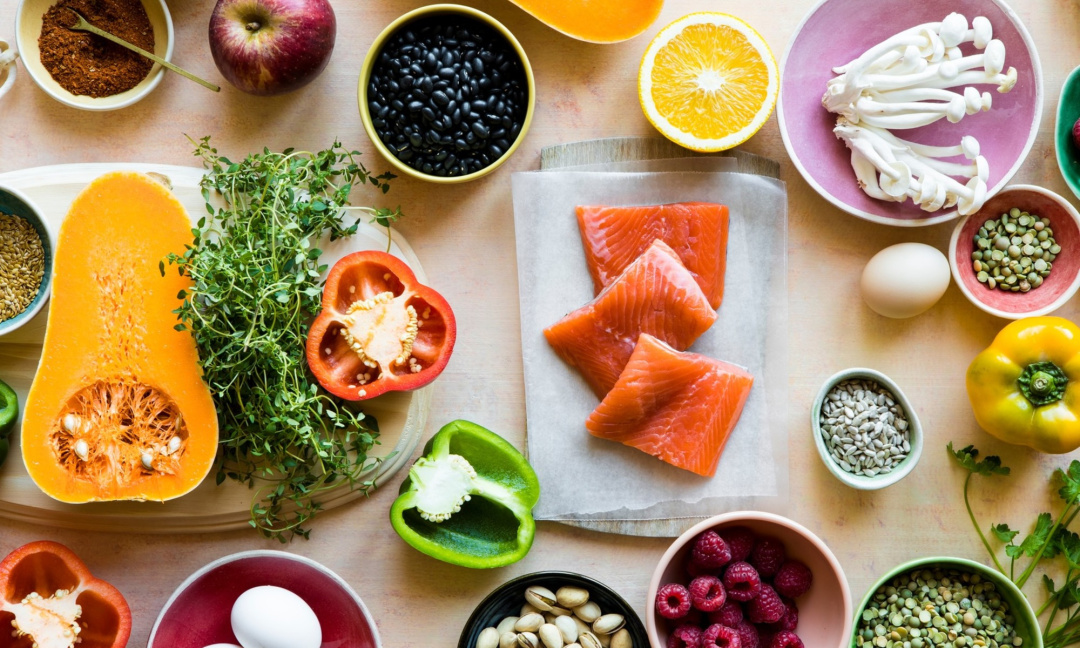
Recent research has shifted the focus from specific foods to the overall patterns of eating, revealing that how we consume food may be more crucial for longevity than the individual items on our plates. This study analyzed data from two large Canadian nutrition surveys, utilizing machine learning to identify natural food combinations and their effects on health outcomes. The researchers tracked participants' eating habits and linked them to mortality data, uncovering three distinct eating patterns among Canadian adults: the vegetable-rich (VR) pattern, the high-sugary beverage and low fruit (HSBLF) pattern, and the high-fat breakfast (HFB) pattern. The findings indicated that individuals adhering to the vegetable-rich pattern had a significantly lower risk of mortality—approximately 51% lower risk of dying from any cause and a 45% lower risk of experiencing cardiovascular events compared to those with lower adherence to this pattern. For women aged 45, this translated to an increase in life expectancy of up to 8.3 years, while men could expect an additional 6.1 years. Conversely, the HSBLF pattern was associated with a higher risk of mortality, with participants in this group facing a 31% increased risk overall, and a staggering 39% increase for men, resulting in a loss of up to 3.0 years for males and 1.7 years for females. Interestingly, the HFB pattern showed no significant link to mortality or cardiovascular disease risk, likely due to the conflicting nature of its components, such as coffee, which has been linked to lower mortality, versus processed meats, associated with higher risks. This research emphasizes that longevity is not merely about following a specific diet but about nurturing an overall eating pattern that aligns with the healthier vegetable-rich community. The study advocates for gradual shifts toward healthier combinations of whole foods, rather than adhering strictly to a new diet name, highlighting the importance of consistency in food choices for better health outcomes.