Study Links Coffee Polyphenols to Reduced Breast Cancer Mortality and Recurrence Risk

In 2024, approximately 694,000 women globally succumbed to breast cancer, making it the most prevalent cancer among women and the second leading cause of cancer-related deaths in the United States. Survival rates for breast cancer vary based on the type of cancer, its stage, and whether it has metastasized. Previous research indicates that alongside prescribed treatments, lifestyle choices can influence survival rates, with certain nutrients potentially lowering mortality risk.
A new study published in the British Journal of Nutrition investigates the role of polyphenols, natural plant compounds known for their antioxidant properties, in reducing breast cancer mortality and recurrence. The study followed 95 women diagnosed with breast cancer over an average period of 11.5 years, assessing their polyphenol intake. The findings revealed that higher consumption of total polyphenols, particularly phenolic acids and lignans, was associated with a decrease in breast cancer-specific mortality. Notably, increased intake of phenolic acids correlated with lower recurrence rates, while overall polyphenol consumption was linked to longer survival.
Researchers noted that coffee was the primary source of polyphenols for the participants, contributing significantly to their total intake. Monique Richard, a registered dietitian nutritionist, explained that polyphenols are found in various foods and work synergistically with other nutrients to support health. They influence multiple biological pathways relevant to cancer survivorship, including oxidative stress, inflammation, and immune signaling.
Meridan Zerner, another nutrition expert, highlighted the potential of polyphenols to affect gut bacteria, which may play a role in regulating estrogen-driven growth in breast tissue. However, Tracy Crane, a co-leader of the Cancer Control Program at the Sylvester Comprehensive Cancer Center, cautioned that while the findings are encouraging, they should be viewed as preliminary. She emphasized that the study does not establish a causal relationship between polyphenol intake and improved outcomes, and further research is needed to replicate the findings in larger, more diverse populations.
Crane suggested future studies should consider various factors such as breast cancer subtype, treatment adherence, and dietary patterns. She advocated for randomized trials to determine if increasing polyphenol-rich foods can positively impact metabolic and inflammatory pathways related to cancer.
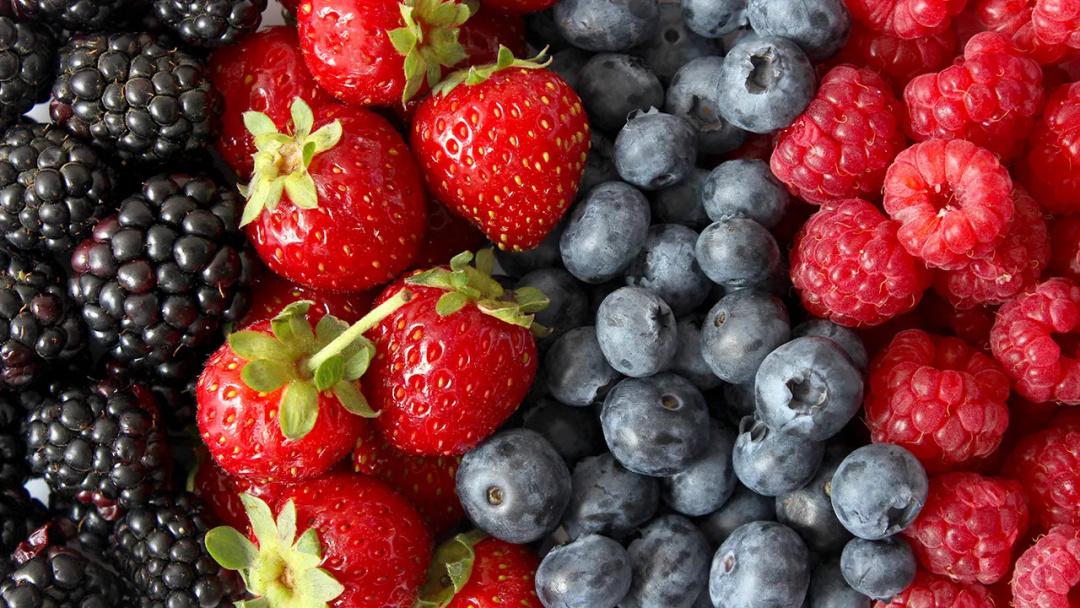
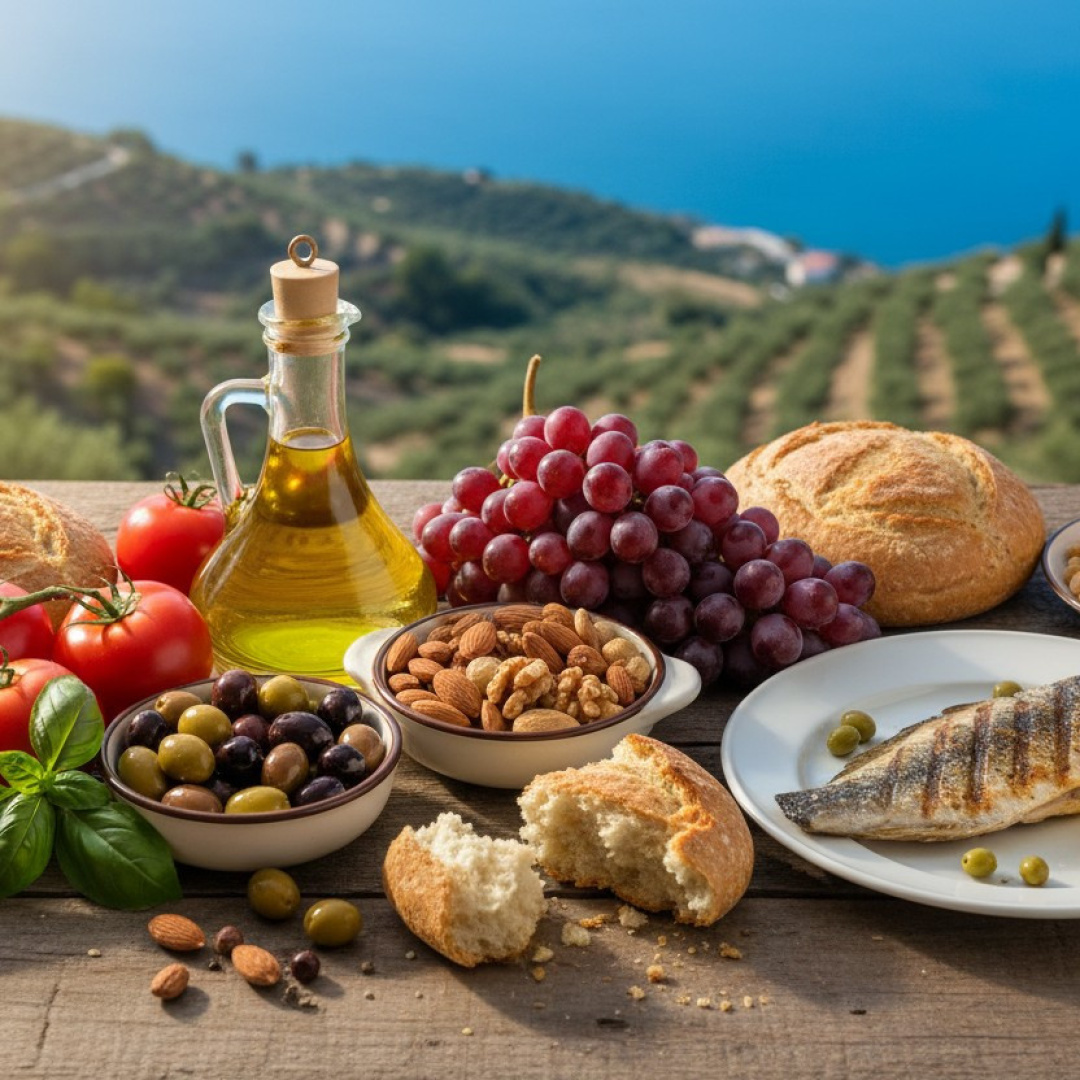
For those interested in increasing their polyphenol intake, Richard and Zerner recommend focusing on whole foods rather than supplements, as whole foods provide a balanced array of nutrients that enhance absorption and efficacy. They encourage a varied diet rich in colorful fruits, vegetables, and other sources of polyphenols, emphasizing the importance of a holistic approach to nutrition for long-term health.