Web-Based Educational Videos Improve Diabetes Knowledge and Clinical Outcomes
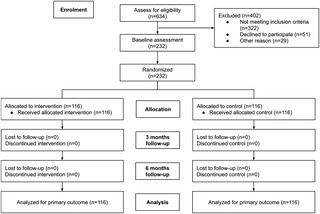
A study published in PLOS One assessed the effectiveness of a culturally adapted web-based educational video module aimed at enhancing diabetes knowledge, empowerment, and clinical outcomes among adults with poorly controlled type 2 diabetes in a primary care setting. Conducted at a public primary care clinic in Malaysia, this single-centre, parallel-group, randomized controlled trial involved 232 participants aged 18 years or older, all diagnosed with type 2 diabetes for at least six months and exhibiting poor glycaemic control. Participants were randomly assigned to either receive the web-based educational intervention or standard care. The intervention included multilingual educational videos that covered essential topics such as diabetes self-care, medication use, diet, physical activity, and complication prevention, supplemented by monthly follow-up reminders. Primary outcomes measured were diabetes knowledge and empowerment, while secondary outcomes included various clinical metrics such as HbA1C levels, blood pressure, fasting lipid profiles, body mass index (BMI), and waist circumference. Assessments were conducted at baseline, three months, and six months post-intervention. The results indicated that participants who engaged with the web-based educational videos showed significant improvements in diabetes knowledge (β = 23.74, 95% CI: 20.57–26.91) and empowerment (β = 11.53, 95% CI: 9.98–13.09) compared to those receiving standard care, with p-values less than 0.001. Additionally, improvements in clinical outcomes such as HbA1C, blood pressure, and lipid profiles were observed in the intervention group relative to the control group, with p-values less than 0.05. This study highlights the effectiveness of web-based educational interventions in enhancing diabetes management and suggests their potential as scalable adjuncts to traditional care in primary care settings. The findings are particularly relevant given the rising prevalence of diabetes in Malaysia, where the National Health and Morbidity Survey reported an increase in diabetes prevalence from 11.2% in 2011 to 15.6% in 2023. With diabetes self-management education being crucial for long-term disease control, this study provides valuable insights into alternative educational models that can overcome barriers faced in routine primary care practice, especially during challenging times such as the COVID-19 pandemic. The research was conducted in accordance with ethical guidelines, and all relevant data are available within the manuscript and its supporting files.