Study Links Atherogenic Index of Plasma to Diabetes and Kidney Disease in Older Adults
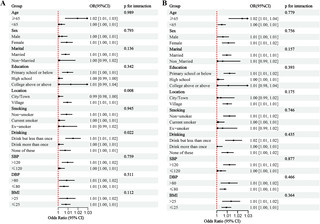
A recent study published in PLOS One investigates the relationship between the Atherogenic Index of Plasma (AIP), Cumulative Atherogenic Index of Plasma (CumAIP), and the risk of developing type 2 diabetes mellitus (T2DM) with chronic kidney disease (CKD) among older Chinese adults. Conducted using data from the China Health and Retirement Longitudinal Study (CHARLS), the research included 5,779 participants aged 45 and older. The study aimed to clarify how short-term and long-term lipid exposure influences the risk of T2DM and CKD, conditions that are increasingly prevalent in the aging population of China.
The study found that both AIP and CumAIP were significantly associated with the incidence of T2DM with CKD. Specifically, participants in the highest quartiles of AIP and CumAIP exhibited modest but statistically significant odds ratios for developing T2DM with CKD, indicating a potential link between lipid metabolism and these chronic conditions. The odds ratios for the highest quartiles were 1.013 for AIP and 1.017 for CumAIP, suggesting that higher lipid indices correlate with increased risk.
Furthermore, the research utilized multivariable logistic regression and restricted cubic spline models to assess the dose-response relationships, adjusting for various covariates such as age, sex, education level, and lifestyle factors. The results indicated that CumAIP demonstrated superior predictive performance compared to AIP alone, with area under the curve (AUC) values of 0.683 versus 0.650, respectively. This suggests that monitoring long-term lipid levels may be more effective in identifying individuals at risk for T2DM with CKD.
In an exploratory analysis, the study also examined participants who already had T2DM at baseline, finding suggestive associations with incident CKD. However, the authors caution that these findings require further validation in larger cohorts to confirm the relationships observed.
Overall, the study underscores the importance of understanding lipid profiles in the context of chronic diseases, particularly as the aging population in China faces increasing rates of T2DM and CKD. The findings support the potential value of long-term lipid monitoring as a strategy for identifying individuals at higher risk for these conditions, which can lead to serious health complications if left unaddressed.