California Sees Surge in Cyclosporiasis Cases Amid National Outbreak Concerns
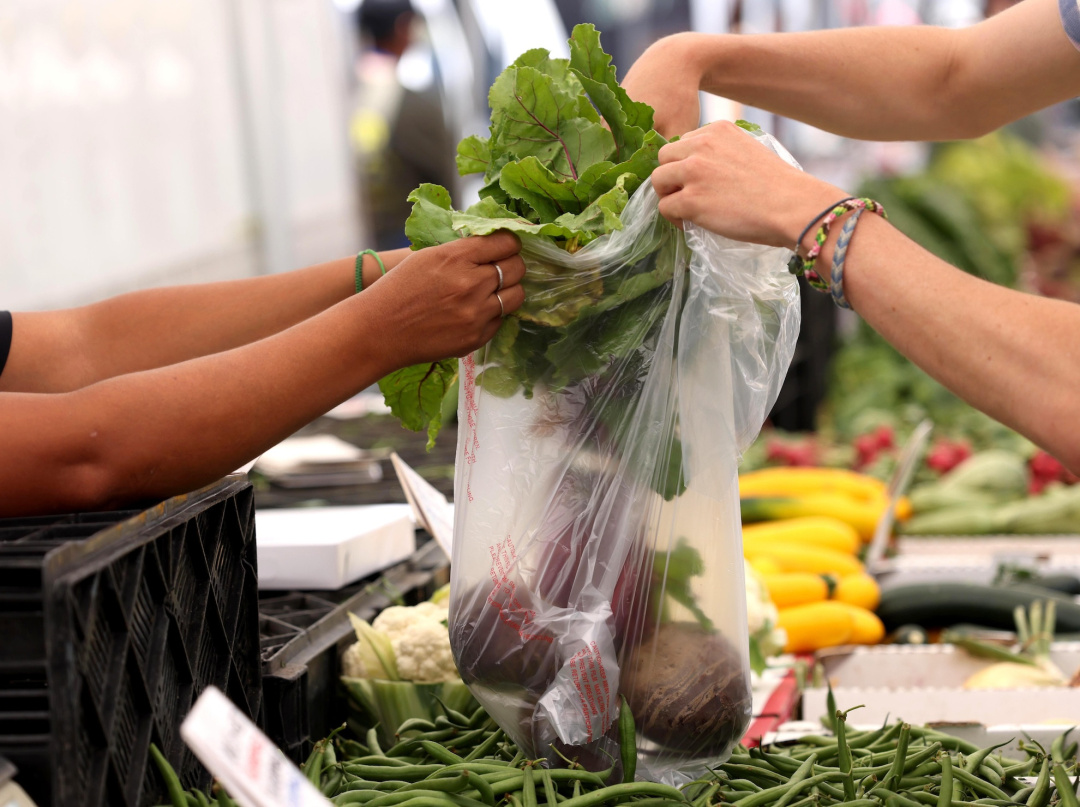
California health officials have reported a notable increase in cyclosporiasis cases, with 215 confirmed and probable instances as of July 15, 2026, compared to only 41 cases reported from January to June. This rise occurs despite the state remaining unaffected by the national outbreak of cyclospora, a foodborne parasite responsible for severe gastrointestinal illness and linked to two deaths nationwide. The California Department of Public Health (CDPH) confirmed that none of the iceberg lettuce implicated in the national outbreak was distributed within the state.
Cyclosporiasis, caused by the cyclospora parasite, is typically contracted through contaminated food or drink. The disease is known to be seasonal, with case counts generally rising during the warmer months. The CDPH noted that while the current surge in cases is not directly connected to the national outbreak, it is higher than expected based on historical data. The agency is investigating the causes of this increase, which may include heightened awareness and testing for the illness due to the national attention on cyclospora outbreaks.
Experts suggest that many of the cases in California are linked to international travel, with the majority of reported cases stemming from individuals who traveled to areas experiencing outbreaks. Dr. Peter Chin-Hong, an infectious disease expert at UCSF, emphasized that the rise in cases is not necessarily alarming, as the majority of infections are tied to travel rather than local outbreaks.
The CDPH has also acknowledged that improved surveillance and data collection methods may contribute to the increased identification of cases. Increased public awareness about cyclospora may lead individuals to seek medical attention for symptoms that they might have previously attributed to other causes, such as food poisoning.
While the rise in cases could cause concern among consumers, experts advise that the benefits of consuming fruits and vegetables outweigh the risks. Basic food hygiene practices, such as washing produce thoroughly and sourcing from local farms, can help mitigate risks associated with foodborne illnesses. Dr. Chin-Hong recommends maintaining good hygiene practices and being aware of food safety, especially when it comes to high-risk items like leafy greens.
In conclusion, while California's rise in cyclosporiasis cases is notable, health officials stress that the state is not currently linked to the national outbreak. Ongoing investigations aim to uncover the reasons behind the increase, and public health measures continue to focus on education and prevention to ensure food safety.