Understanding the 3 p.m. Energy Crash and Cognitive Support Options

The mid-afternoon slump is a phenomenon many experience, often leading to a strong desire for a nap despite a long to-do list. This 3 p.m. energy crash may signal that something is amiss in your body. While quality sleep is a significant factor in maintaining energy levels, it is not the only contributor. Factors such as nutrition, hydration, and movement can also play crucial roles in how energized you feel throughout the day.
When discussing energy levels, it is essential to consider both physical stamina and mental alertness. Feeling energetic can mean the difference between being able to engage in activities like meetings or school pickups and struggling to complete even simple tasks. Many individuals may find that even after a good night's sleep, a balanced lunch, and adequate hydration, they still experience an afternoon dip in energy.
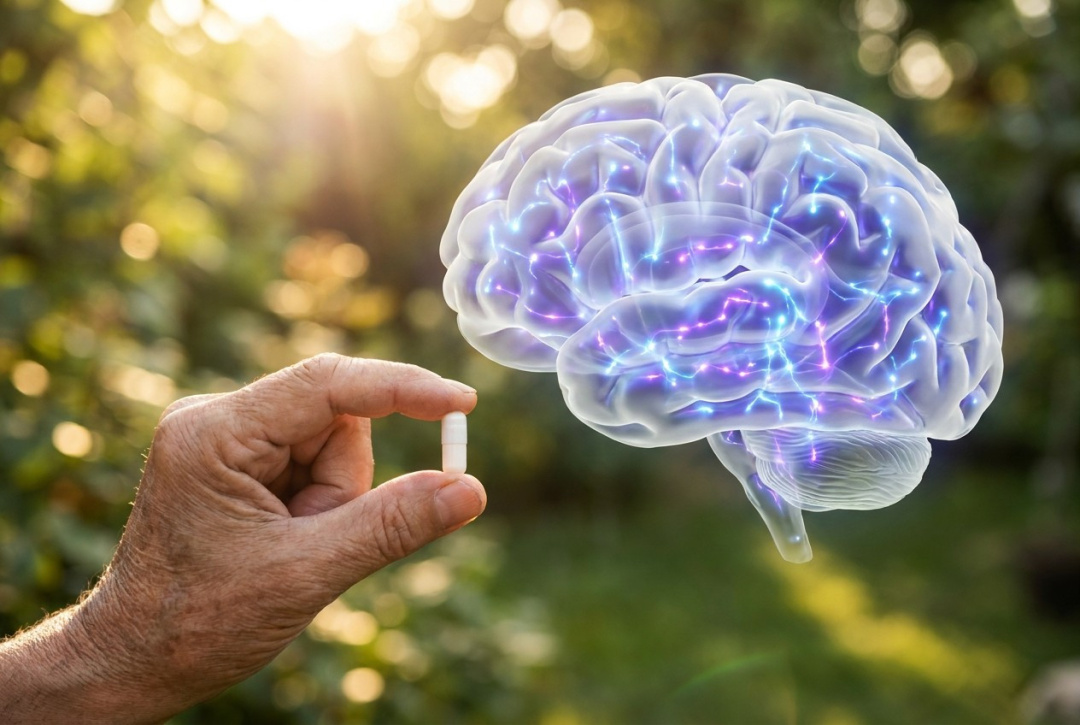
For those seeking alternatives to caffeine, certain supplements may help support brain energy without the jitters or crashes associated with stimulants. One such option is mindbodygreen's creatine brain+, which combines creatine monohydrate and citicoline. Creatine, commonly associated with muscle performance, is also vital for brain energy, helping to replenish ATP, the energy currency of cells. Over time, building creatine stores in the brain may enhance cognitive performance, particularly during mentally demanding tasks.
Citicoline complements creatine by supporting healthy brain cell membranes and aiding in the production of neurotransmitters that are crucial for attention, focus, and memory. Together, these ingredients offer comprehensive support for mental energy and cognitive performance, gradually enhancing energy levels rather than providing an immediate boost.
Sela Breen, mindbodygreen's assistant health editor, shared her experience with creatine brain+. After incorporating it into her routine, she noticed increased resilience against the afternoon energy dip. Despite feeling fatigue, her mind remained engaged with her work tasks, illustrating the potential benefits of such supplements.
The 3 p.m. crash is not solely an indicator of poor sleep or a need for caffeine. Evaluating aspects of nutrition, hydration, and physical activity can help identify the root causes of energy dips. For those looking for sustained cognitive support, ingredients like creatine and citicoline may offer a viable alternative to traditional stimulants, promoting brain energy without the associated roller coaster effects of caffeine.