Risks of DIY Peptide Injections Highlighted by New Study on User Errors
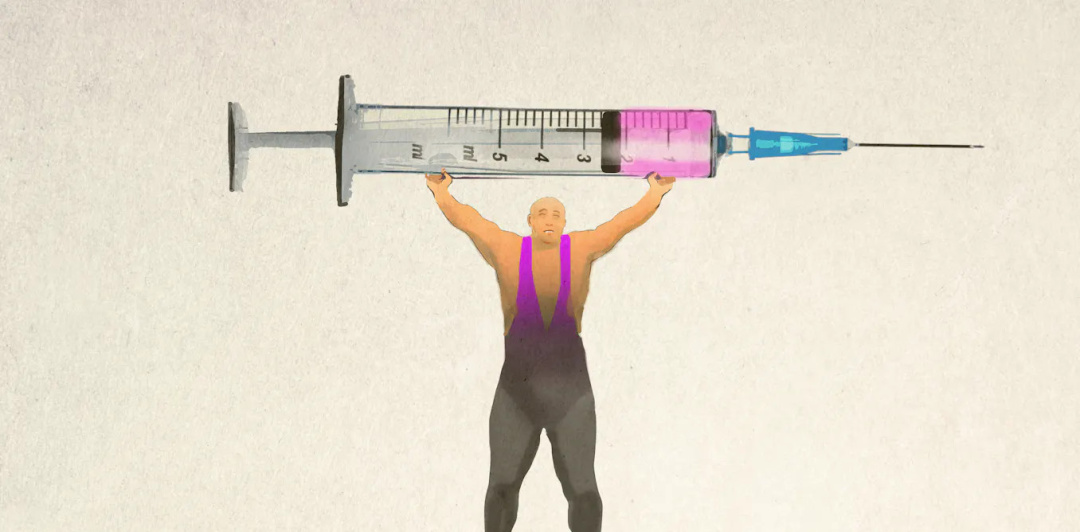
DIY peptide injections, which are marketed for benefits such as weight loss, muscle building, and enhanced longevity, have emerged as a high-risk wellness trend. Health experts express significant concerns regarding the safety of these products, which are not regulated by the U.S. Food and Drug Administration (FDA) or any other health authority. As a result, these peptides may be contaminated with bacteria, fungi, chemicals, or heavy metals, and their purity may not meet the indicated standards. The doses promised may also differ from what users actually receive. In July 2026, a CEO of a peptide company was sentenced to 70 months in prison for distributing tainted and substandard products, underscoring the dangers associated with this market. A recent study published in the journal Public Health Reports examined the risks posed by user errors when injecting these peptides. The research involved 20 participants, including 10 college students and 10 older adults, who were tasked with demonstrating the correct method for dissolving and injecting a semaglutide GLP-1 peptide product. Participants were allowed to use online resources to guide them through the process. The results were concerning; on average, participants completed fewer than half of the required steps correctly. Many chose vials with expired or contaminated liquids for dissolving the peptide, struggled with determining the correct dosage, and failed to eliminate air bubbles from syringes, which can lead to inaccurate dosing and injection site irritation. Additionally, some participants injected the peptides into muscle instead of the recommended fatty areas, potentially altering the absorption rate. Many did not sterilize the vials or their skin prior to injection and had difficulty understanding the expiration dates of the products. Half of the participants also struggled with engaging the safety features of the needles and proper disposal methods. These errors significantly increase the risk of complications such as infections, bleeding, and incorrect dosing. Interestingly, despite the challenges faced during the injection process, many participants expressed confidence in their ability to perform the injections correctly in the future. This overconfidence, particularly among younger participants, raises concerns about the potential for further user errors. The study's small sample size and focus on one peptide limit the generalizability of the findings, but the researchers believe the issues identified are likely applicable to a broader range of peptides. In response to the growing concerns surrounding DIY peptide use, an FDA advisory panel recommended in July 2026 that certain peptides, including BPC-157 and TB-500, be added to a list of substances that compounding pharmacies can formulate and sell. These pharmacies are subject to regulations ensuring safe sourcing and sterile environments, which could mitigate some of the risks associated with gray-market peptides. However, the FDA has not yet confirmed whether it will adopt these recommendations, and even if it does, the safety and efficacy of these compounded products remain untested. Thus, the ongoing safety issues surrounding gray-market peptides continue to pose significant health risks for consumers.