Study Investigates Probiotic's Potential to Alleviate Menopause Symptoms

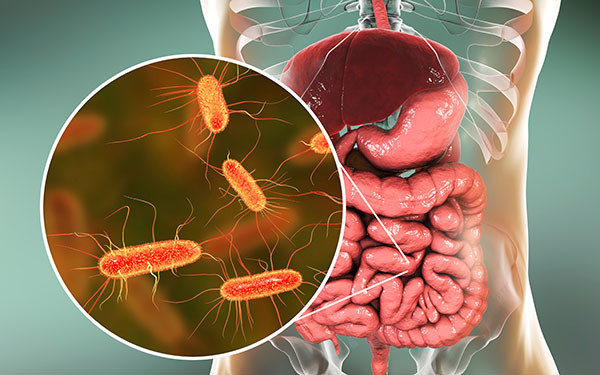
A recent randomized controlled trial investigated the potential of a daily probiotic to alleviate menopause symptoms and enhance quality of life for women undergoing perimenopause or postmenopause. The study enrolled 245 women aged between 45 and 60, who were randomly assigned to receive either a specific three-strain probiotic formula or a placebo for a duration of three months. The probiotic formula included three strains: Levilactobacillus brevis KABP052, Lactiplantibacillus plantarum KABP051, and Pediococcus acidilactici KABP021, administered at a dose of one billion colony-forming units per day. Throughout the trial, researchers monitored menopause symptoms and quality of life using validated questionnaires. Findings indicated that women who consumed the probiotic reported more significant improvements in overall menopause symptoms compared to those taking the placebo. Notably, the probiotic group experienced marked enhancements in somato-vegetative symptoms, which encompass physical issues such as hot flashes, sleep disturbances, and fatigue. Additionally, psychological symptoms, including mood changes and irritability, also showed greater improvement among the probiotic group. However, the quality of life results were mixed; while one questionnaire indicated modest improvements in the probiotic group, another did not show significant differences between the two groups. It is essential to note that the study was funded by the manufacturer of the probiotic formula, which warrants cautious interpretation of the results. The connection between gut health and menopause is gaining attention, particularly regarding the estrobolome, a collection of gut bacteria that plays a role in estrogen metabolism. As estrogen levels decline during menopause, shifts in the gut microbiome may occur, potentially contributing to symptoms such as hot flashes and mood changes. While probiotics may offer a promising avenue for symptom management, they are not the only means to support gut health. A diverse, fiber-rich diet, physical activity, and stress management are also crucial for maintaining a healthy gut microbiome. As research continues, targeted probiotics may become more widely recommended for managing menopause symptoms, but for now, other evidence-based health practices remain vital for supporting overall well-being during this transition.