Study Links High Homocysteine Levels to Sudden Hearing Loss
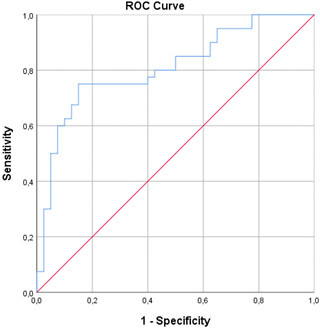
A recent study published in PLoS One has explored the relationship between homocysteine levels and sudden sensorineural hearing loss (SSNHL), a condition characterized by rapid hearing loss that can significantly impact quality of life. The research involved 40 patients diagnosed with SSNHL and 40 age- and sex-matched healthy controls. The primary aim was to compare baseline and post-treatment homocysteine levels and evaluate their potential role in the disease's pathogenesis and prognosis.
The study found that baseline homocysteine levels were notably higher in the SSNHL group compared to the controls. Specifically, the median levels were 14.45 µmol/L in the SSNHL group versus 11.51 µmol/L in the control group, indicating a statistically significant difference. Despite treatment leading to improved hearing thresholds, there was no significant change in homocysteine levels after treatment, suggesting that homocysteine may serve more as a predisposing factor rather than a prognostic biomarker for hearing recovery.
SSNHL is defined as a hearing loss of at least 30 dB across three consecutive frequencies occurring within 72 hours. It is often idiopathic, with various potential causes including viral infections and vascular dysfunction. The cochlea's vulnerability to ischemic injury underscores the importance of vascular health in hearing loss. Elevated homocysteine levels are known to be associated with vascular diseases and may also contribute to neuronal toxicity, raising concerns about their role in SSNHL.
The study utilized pure tone audiometry to assess hearing thresholds and classified treatment responses based on established criteria. While homocysteine levels remained stable over time, the lack of correlation between these levels and hearing outcomes indicates that further investigation is necessary to fully understand the implications of hyperhomocysteinemia in SSNHL. The authors advocate for larger studies to explore the potential benefits of homocysteine-lowering strategies in managing this condition.
This research adds to the growing body of evidence suggesting that homocysteine may be involved in the pathophysiology of SSNHL. However, the findings also highlight the complexity of the condition and the need for continued exploration into its underlying mechanisms and treatment options. As the understanding of SSNHL evolves, so too does the potential for improved management strategies for those affected by this challenging condition.