Understanding the Heart's Flexibility: Lessons from Whales for Our Health
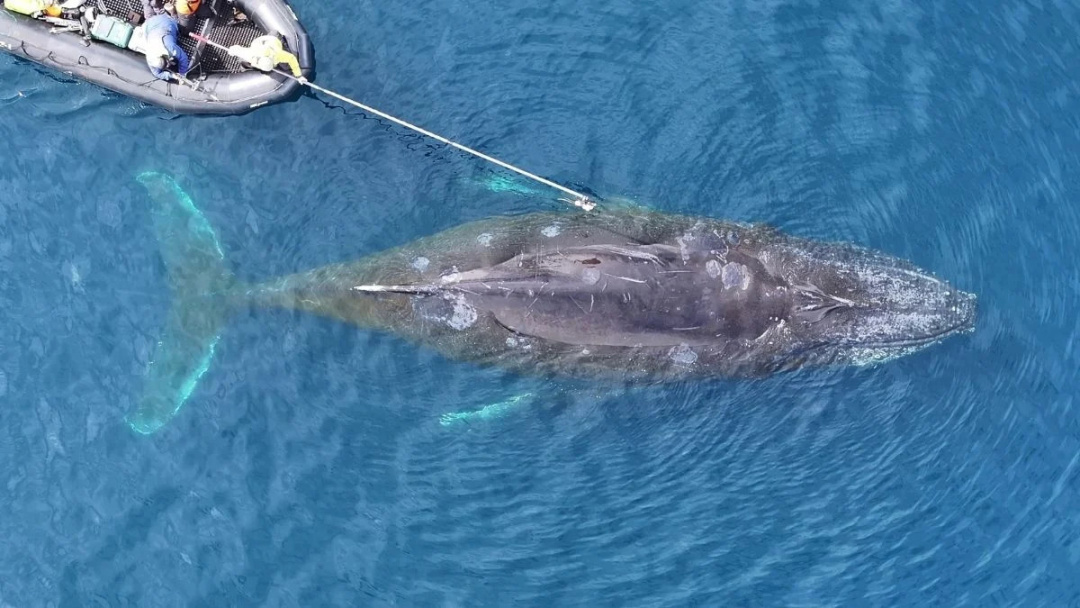
Recent studies have shed light on the remarkable adaptability of whale heart rates, particularly during the intense activity of foraging. Researchers have found that blue whales and humpback whales can significantly alter their heart rates to balance the need for oxygen conservation with the energy required for capturing prey. This fascinating insight not only enhances our understanding of these majestic marine mammals but also offers valuable lessons for our own health and wellness routines.
When whales dive, their heart rates can drop dramatically, sometimes to as low as two beats per minute. This extreme bradycardia allows them to conserve oxygen while they search for food deep underwater. However, when it comes time to lunge and capture their prey, their heart rates increase significantly, demonstrating a remarkable flexibility that supports their physical exertion. This phenomenon mirrors the way humans experience heart rate changes during exercise, particularly in activities that require bursts of energy.
Understanding these heart rate patterns can inform our own health practices. For instance, just as whales rely on anaerobic energy stores to power their sprints, we too can benefit from incorporating interval training into our fitness routines. Interval training, which alternates between periods of high intensity and lower intensity, can enhance cardiovascular fitness and improve recovery times. As we engage in such exercises, it is essential to listen to our bodies and allow adequate recovery, just as whales do between their lunges.
Moreover, the research highlights the importance of monitoring our heart rates as a potential indicator of overall health. Elevated heart rates during physical activity are normal, but understanding how quickly our heart rates return to baseline can provide insights into our fitness levels and recovery capabilities. This awareness can guide us in structuring our workouts and ensuring we are not overexerting ourselves, which is crucial for long-term health.
In addition to physical activity, the study of whale heart rates underscores the significance of managing stress and ensuring proper rest. Just as whales experience fluctuations in heart rate during their foraging activities, our heart rates can be influenced by stressors in our daily lives. Practicing mindfulness, engaging in relaxation techniques, and ensuring we get adequate sleep can help regulate our heart rates and improve our overall well-being.
As we reflect on the incredible adaptability of whales, we can draw parallels to our own lives. By understanding the balance between exertion and recovery, we can cultivate healthier habits that support our metabolic health. Incorporating regular physical activity, monitoring our heart rates, and prioritizing rest and recovery can lead to improved energy levels and overall wellness.
In conclusion, the study of whale heart rates offers valuable insights into the importance of flexibility in our own health practices. By learning from these magnificent creatures, we can adopt strategies that enhance our physical fitness, manage stress, and promote a balanced approach to nutrition and wellness. Just as the whales navigate the depths of the ocean, we too can navigate our health journeys with intention and awareness, striving for a harmonious balance in our lives.