Navigating Food Insecurity: Practical Strategies for Resilience
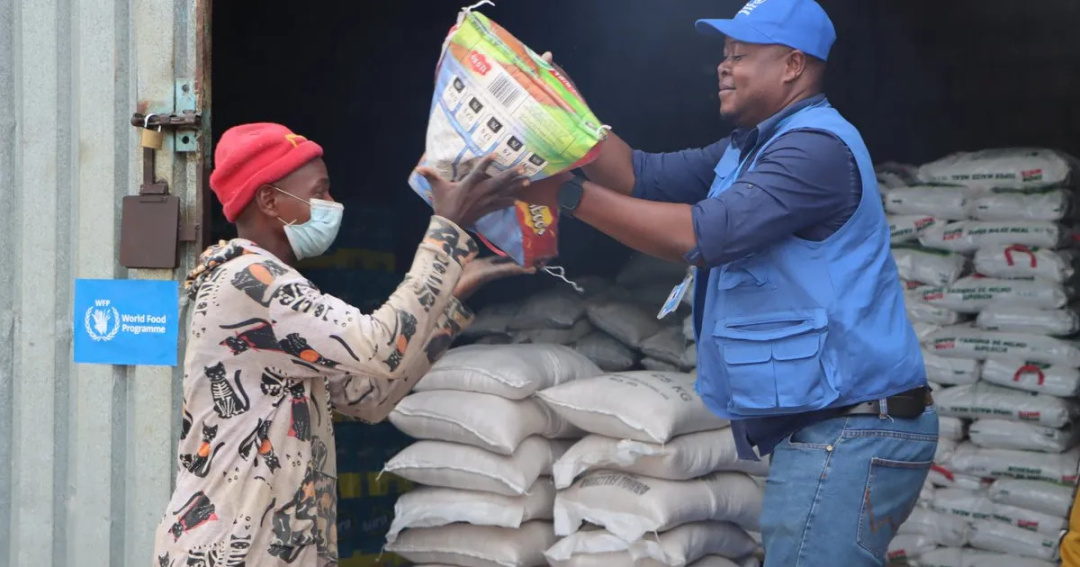
Natural disasters can have devastating effects on food security, as seen in regions like Mozambique, where floods have disrupted agriculture and increased food prices. For families who once depended on their gardens for sustenance, the loss of crops can lead to a reliance on markets where prices are often inflated. In such challenging circumstances, it becomes crucial to develop practical strategies to navigate food insecurity and foster resilience.
One effective approach is to focus on meal planning. By planning meals ahead of time, individuals can make more intentional choices about the foods they buy and prepare. This not only helps in managing budgets but also reduces food waste. When creating a meal plan, consider incorporating a variety of proteins, whole grains, and seasonal vegetables, which can often be more affordable and nutritious. Seasonal produce is typically fresher and less expensive, making it a smart choice for budget-conscious shoppers.
In addition to meal planning, being mindful of food purchases can significantly impact overall food security. When shopping, consider buying in bulk for non-perishable items, which can reduce costs over time. Look for local markets or community-supported agriculture programs that may offer fresh produce at lower prices. Building relationships with local farmers can also provide access to fresh food while supporting the local economy.
Hydration is another critical aspect of maintaining health during times of food insecurity. Water is essential for digestion, energy, and overall well-being. Encourage families to prioritize hydration by drinking plenty of water throughout the day. If access to clean water is a concern, consider investing in a water filter or exploring local resources that provide safe drinking water.
Mindful eating practices can also play a significant role in addressing food insecurity. Encourage individuals to listen to their bodies and recognize hunger and fullness cues. This awareness can help prevent overeating and promote a healthier relationship with food. Additionally, taking time to enjoy meals without distractions can enhance the eating experience and foster a greater appreciation for the food available.
Community support is invaluable during times of crisis. Connecting with local food banks, community gardens, or support groups can provide essential resources and a sense of belonging. These networks can help individuals access food, share resources, and offer emotional support. Engaging with neighbors and friends can also create a support system that fosters resilience and collective strength.
As we navigate the complexities of food insecurity exacerbated by natural disasters, it is essential to focus on practical, sustainable strategies that promote health and well-being. By prioritizing meal planning, mindful eating, and community support, individuals and families can build resilience and adapt to the challenges ahead. In doing so, we not only address immediate food needs but also cultivate habits that contribute to long-term health and stability.