Fruits for a Healthy Gut: Boost Your Digestion Naturally

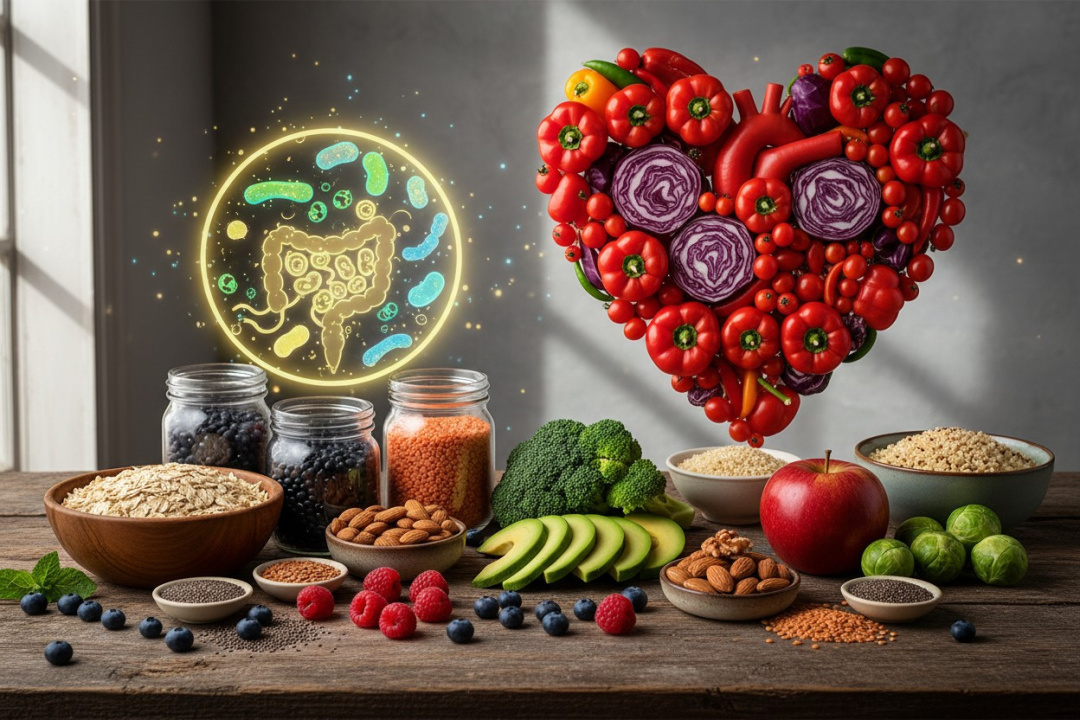
Maintaining digestive health is essential for overall well-being, and one of the simplest ways to support your gut is through the fruits you choose to eat. Recent insights from registered dietitians highlight six fruits that stand out for their ability to enhance digestion: berries, kiwi, papaya, avocado, apples, and pears. Each of these fruits is packed with fiber and antioxidants, which play crucial roles in nurturing beneficial gut bacteria, reducing inflammation, and ensuring regular bowel movements.
Fruits are not just delicious; they are also vital for fueling the trillions of microorganisms in our digestive tract. These microorganisms help regulate immune responses and maintain gut health. Soluble fiber, found in many fruits, dissolves in water and serves as food for beneficial bacteria in the colon. When these bacteria ferment soluble fiber, they produce short-chain fatty acids, which help protect the gut lining, reduce inflammation, and support immune function. On the other hand, insoluble fiber adds bulk to stool, promoting regularity and preventing constipation.
The American Heart Association recommends consuming two cups of fruit daily, which can provide a significant portion of the recommended daily fiber intake. Meeting these fiber recommendations is associated with a lower risk of conditions like colorectal cancer, Type 2 diabetes, and cardiovascular disease. For instance, research has shown that eating two kiwi fruits daily can improve bowel movement frequency and alleviate digestive discomfort, making kiwi a fantastic choice for those struggling with constipation. Kiwi's unique compounds, including raphides, help facilitate comfortable digestion.
Papaya is another excellent option, known for its enzyme papain, which aids in breaking down dietary proteins, making it easier for the body to absorb nutrients. This fruit can also help reduce bloating and digestive discomfort. Avocados are particularly noteworthy, as a single avocado can provide nearly half of the daily fiber requirement, while also promoting the growth of beneficial gut bacteria.
Berries, especially raspberries and blackberries, offer about eight grams of fiber per cup and are rich in polyphenol antioxidants, which can help reduce gut inflammation. Apples are beneficial too, as they contain soluble fiber that supports the growth of good bacteria in the large intestine. Pears, with their high fiber content and natural sugars, can act as a gentle laxative, helping to maintain digestive regularity.
To maximize the health benefits of these fruits, it's advisable to choose whole fruits over juices, as juicing often removes the fiber content. Frozen fruits can be just as nutritious as fresh ones and can sometimes offer higher levels of certain vitamins. Pairing fruits with protein sources like yogurt or nut butter can create balanced snacks that promote satiety and help stabilize blood sugar levels.
For those who experience gas or bloating, opting for low-fructose fruits such as berries, citrus fruits, and bananas may be beneficial. Conversely, individuals dealing with constipation should focus on including more pears, kiwi, and apples in their diets. While dried fruits can be a concentrated source of fiber, they should be consumed in moderation due to their higher sugar content.
As awareness of the gut microbiome's role in health continues to grow, the importance of fiber-rich fruits becomes increasingly clear. These fruits not only provide essential nutrients but also serve as accessible, affordable ways to support digestive and immune health. Embracing a variety of these fruits in your daily diet can be one of the most effective strategies for promoting digestive wellness and reducing the risk of chronic diseases. By making informed choices and prioritizing fiber-rich fruits, you can take significant steps towards enhancing your overall health and well-being.