Navigating Food Prices: Practical Strategies for Smart Grocery Shopping

In recent times, rising food prices have become a pressing concern for many households. As costs increase, it’s essential to adapt our grocery shopping habits to ensure we can still enjoy nutritious meals without overspending. A thoughtful approach to meal planning and shopping can make a significant difference in both your budget and your health.
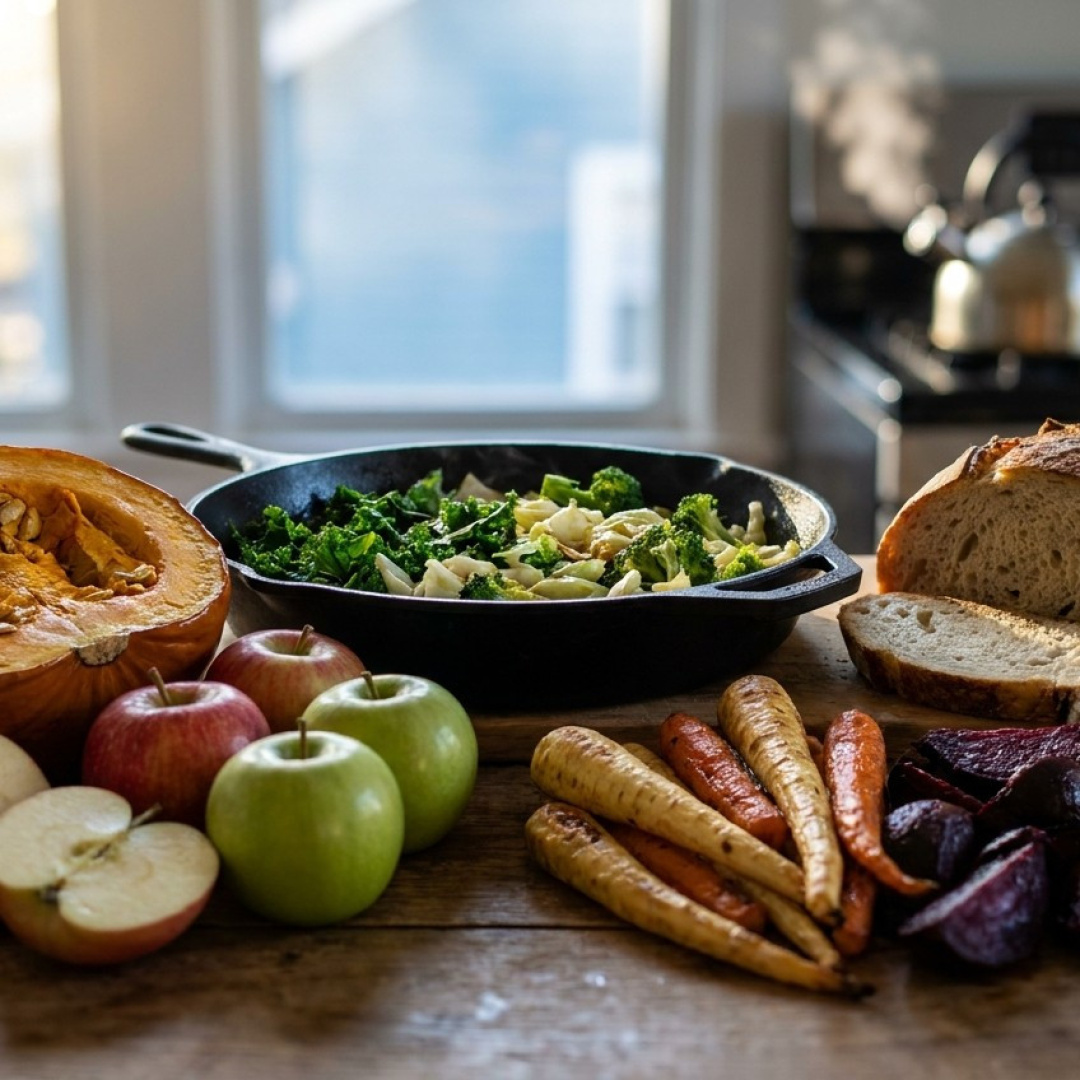
Start by creating a meal plan for the week. This not only helps in organizing your meals but also allows you to make a shopping list based on what you need. Focus on incorporating seasonal fruits and vegetables, as they are often more affordable and fresher than out-of-season options. Planning meals around sales and discounts can also lead to substantial savings. Many grocery stores offer weekly flyers that highlight deals, so take advantage of these resources to maximize your budget.
When it comes to grocery shopping, consider buying in bulk for items you use frequently, such as grains, legumes, and frozen fruits and vegetables. Bulk purchases can reduce the cost per unit and minimize packaging waste, contributing to a more sustainable lifestyle. Additionally, don’t shy away from store brands; they often provide similar quality at a lower price compared to name brands.
Mindful eating is another crucial aspect of managing food costs. Pay attention to your hunger cues and try to avoid impulse purchases, which can quickly add up. When shopping, stick to your list and resist the temptation to buy items that aren’t part of your meal plan. This practice not only helps you stay within budget but also encourages you to be more intentional about the foods you consume.
Hydration is equally important, and it’s a good idea to consider how you can incorporate more water-rich foods into your meals. Foods like cucumbers, watermelon, and oranges can help keep you hydrated while also being budget-friendly.
Lastly, don’t forget to utilize leftovers creatively. Transforming yesterday’s dinner into today’s lunch can save both time and money. For example, roasted vegetables can be added to salads or grain bowls, and cooked proteins can be repurposed in sandwiches or wraps.
By adopting these strategies, you can navigate the challenges of rising food prices while still prioritizing your health and well-being. Remember, small changes in your grocery shopping habits can lead to significant improvements in your overall nutrition and financial health. Embrace the journey of mindful eating and smart shopping, and you may find it to be both rewarding and enjoyable.