Navigating Grocery Choices in a Changing Economic Landscape

In today's economic climate, where energy prices fluctuate and consumer spending is under pressure, making thoughtful grocery choices has never been more vital. The rising cost of living can make it challenging to maintain a healthy diet, but with a few mindful strategies, you can navigate these changes without compromising your wellness goals.
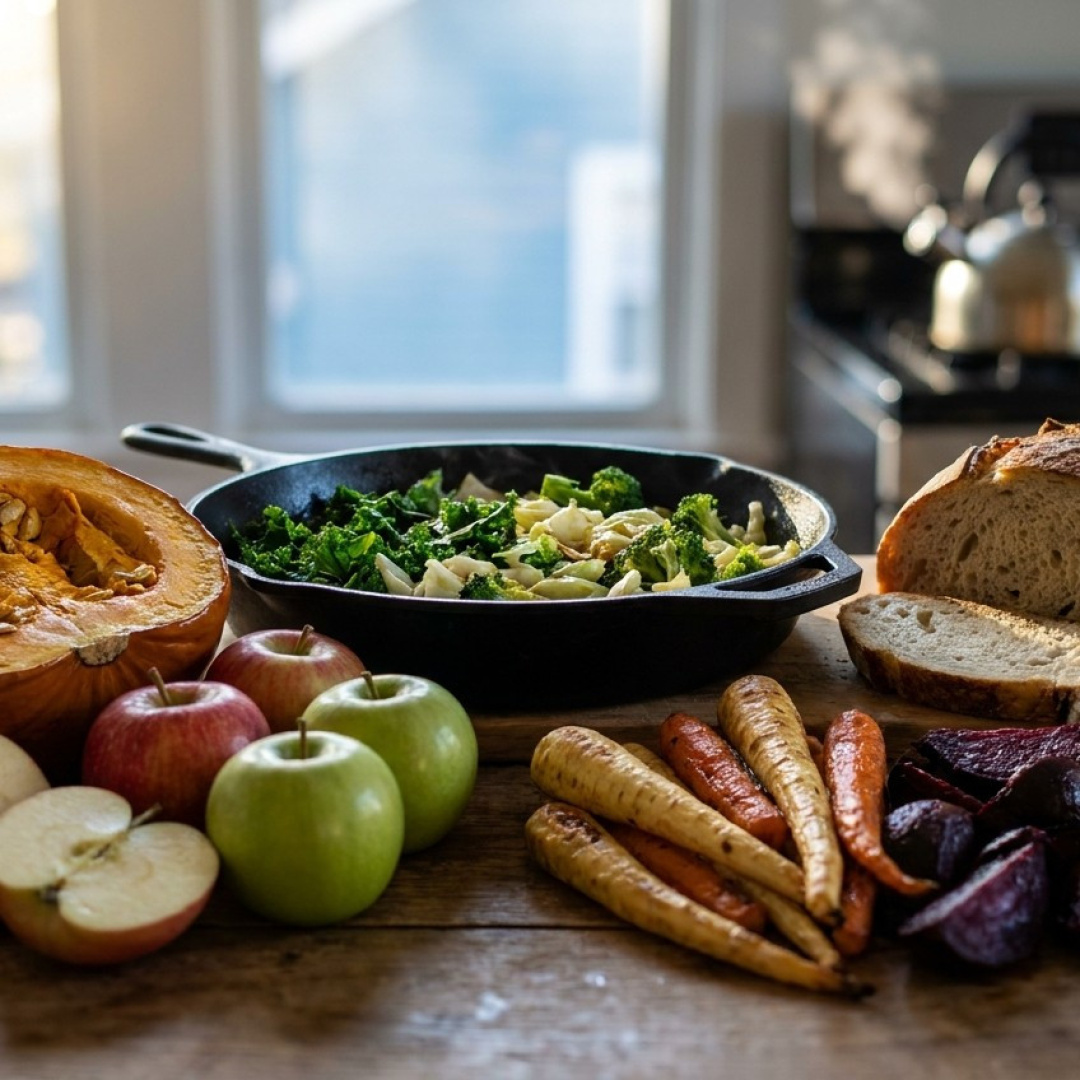
Start by focusing on whole foods that provide essential nutrients without breaking the bank. Fresh fruits and vegetables, whole grains, legumes, and lean proteins are often more affordable than processed foods. When shopping, consider seasonal produce, which is typically less expensive and fresher. Planning meals around what is in season can help you save money while enjoying a variety of flavors.
Meal planning is another effective way to manage your grocery budget. Take some time each week to plan your meals, making a shopping list based on the ingredients you need. This not only helps prevent impulse purchases but also ensures that you have everything you need to prepare healthy meals at home. Batch cooking can also be a lifesaver; preparing larger quantities of meals and freezing portions for later can save time and reduce food waste.
When it comes to proteins, consider incorporating more plant-based options into your diet. Beans, lentils, and chickpeas are excellent sources of protein and are often more affordable than meat. If you prefer animal proteins, look for sales or consider purchasing in bulk to save money. Eggs are another budget-friendly protein source that can be used in a variety of dishes.
Don't forget about hydration, which is essential for overall health. Water is the best choice for hydration, but if you're looking for variety, consider making your own flavored water with fruits or herbs. This can be a refreshing alternative to sugary drinks and can help you save money.
Being aware of your blood sugar levels can also guide your food choices. Opt for foods that have a low glycemic index, such as whole grains and non-starchy vegetables, to help maintain stable energy levels throughout the day. This can prevent the cycle of cravings that often leads to unhealthy snacking.
Lastly, practice mindful eating. Take the time to enjoy your meals, paying attention to hunger cues and savoring each bite. This can help you feel more satisfied with smaller portions and reduce the likelihood of overeating.
In conclusion, while economic pressures may pose challenges, they also present an opportunity to reassess and refine your grocery shopping and meal planning habits. By focusing on whole foods, planning meals, and being mindful of your choices, you can maintain a healthy lifestyle without overspending. Embrace these strategies to nourish your body and mind, even in uncertain times.