Understanding Protein Timing for Optimal Muscle Growth
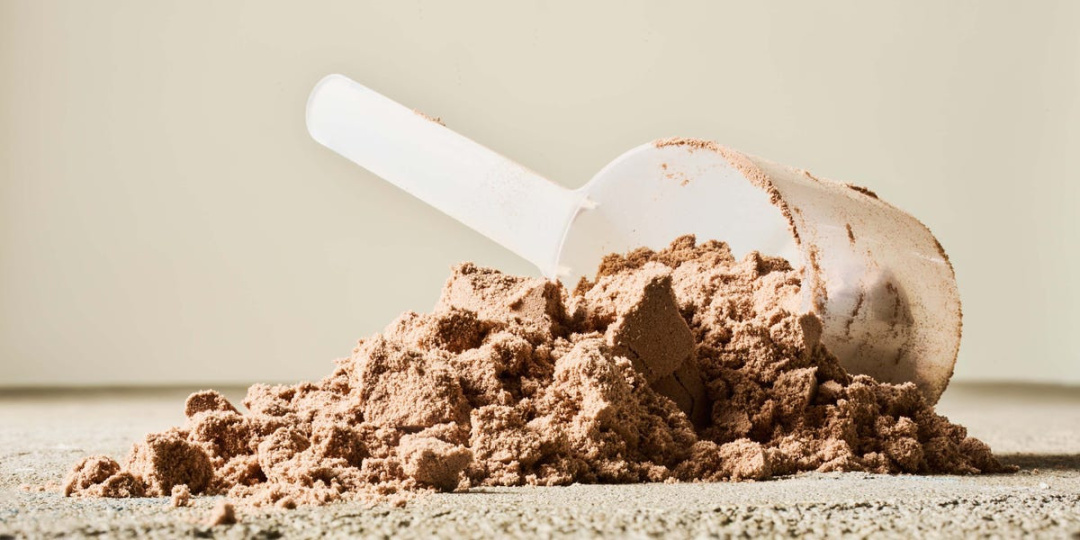
When it comes to building muscle and enhancing recovery, the conversation often turns to protein timing—whether to consume protein before or after a workout. While many gym enthusiasts debate the merits of each approach, it’s essential to understand that the total amount of protein consumed throughout the day plays a more significant role in muscle growth than the timing of that intake. This perspective can alleviate the pressure to adhere strictly to pre- or post-workout protein consumption and instead encourage a more holistic view of nutrition.
Protein is a vital macronutrient that supports muscle repair and growth, and ensuring you consume enough throughout the day is crucial. For most active individuals, aiming for a daily protein intake of around 1.2 to 2.0 grams per kilogram of body weight can be beneficial. This range allows for adequate muscle recovery and growth, regardless of when you choose to consume your protein. Incorporating a variety of protein sources—such as lean meats, dairy, legumes, and plant-based options—can help meet these needs while also providing essential nutrients.
In addition to focusing on total protein intake, it’s important to consider the quality of the protein you are consuming. High-quality proteins, which contain all essential amino acids, are particularly effective for muscle synthesis. Foods like eggs, chicken, fish, and quinoa are excellent choices that can help support your fitness goals.
Hydration also plays a critical role in muscle function and recovery. Staying well-hydrated before, during, and after exercise can enhance performance and aid in recovery. Water is essential for nutrient transport and can help prevent fatigue during workouts. Pairing your protein intake with adequate hydration can create a supportive environment for muscle growth.
Mindful eating practices can further enhance your nutrition strategy. Paying attention to hunger cues and ensuring you are eating balanced meals throughout the day can help you avoid the pitfalls of restrictive eating patterns. Instead of fixating on specific times to consume protein, focus on incorporating it into your meals and snacks in a way that feels natural and satisfying.
In conclusion, while the timing of protein intake can have some impact on muscle recovery, it is the overall daily intake and quality of protein that truly matters. By prioritizing a balanced diet rich in diverse protein sources and staying hydrated, you can support your muscle-building efforts effectively. This approach not only fosters a healthier relationship with food but also aligns with sustainable wellness practices that can be maintained long-term.