Exploring the Weight Loss Benefits of a Plant-Based Diet
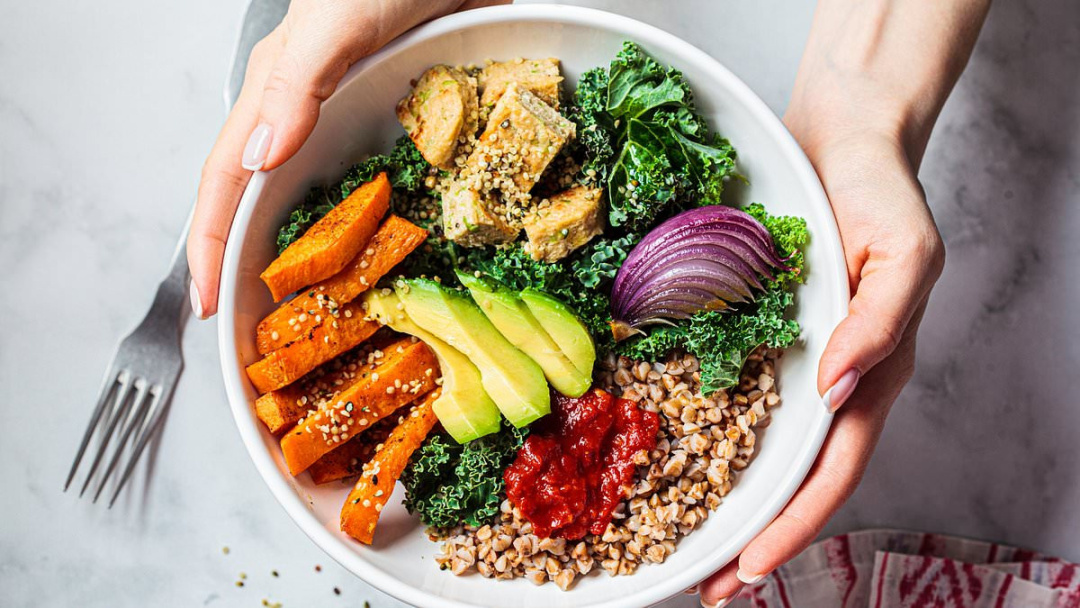
In recent times, the conversation around weight loss has increasingly included discussions about plant-based diets. Research indicates that individuals who transition to a low-fat vegan diet can experience notable weight loss, with some studies suggesting that participants lost an average of 5.9 kilograms, or about 13 pounds, over a period of just 16 weeks. This finding invites us to consider the potential benefits of plant-based eating not only for weight management but also for overall health.
The appeal of a plant-based diet lies in its emphasis on whole foods such as fruits, vegetables, whole grains, legumes, nuts, and seeds. These foods are typically lower in calories and higher in fiber compared to animal products, which can help promote feelings of fullness and reduce overall calorie intake. Fiber plays a crucial role in digestion and can aid in maintaining stable blood sugar levels, which is essential for managing hunger and cravings.
Incorporating more plant-based foods into your meals can be both enjoyable and rewarding. Start by exploring different types of fruits and vegetables, aiming to fill half your plate with colorful produce at each meal. Whole grains like quinoa, brown rice, and oats can serve as satisfying bases for meals, while legumes such as beans and lentils provide protein and additional fiber. These ingredients can be easily added to soups, salads, and stir-fries, making it simple to create nutritious, balanced meals.
Mindful eating is another important aspect to consider when making dietary changes. Paying attention to hunger cues and savoring each bite can enhance your relationship with food, helping you to enjoy meals without guilt. This approach encourages a more intuitive eating style, where you listen to your body's needs rather than adhering to strict dietary rules.
Hydration is also a key component of any healthy eating plan. Drinking enough water throughout the day can support digestion and help manage hunger. Sometimes, our bodies can confuse thirst with hunger, leading to unnecessary snacking. Keeping a water bottle handy can remind you to stay hydrated and may even help reduce cravings.
As you embark on this journey towards a more plant-based lifestyle, remember that small, gradual changes can lead to sustainable habits. You don’t have to eliminate all animal products at once; instead, consider starting with one or two meatless meals each week. This approach allows you to explore new recipes and flavors without feeling overwhelmed.
Ultimately, the goal is to find a balance that works for you, one that promotes health, well-being, and a positive relationship with food. Embracing a plant-based diet can be a fulfilling way to nourish your body while also contributing to environmental sustainability. As you make these changes, be patient with yourself and celebrate the progress you make along the way, knowing that every healthy choice counts.