Understanding Back Pain: The Role of Nutrition and Lifestyle Choices
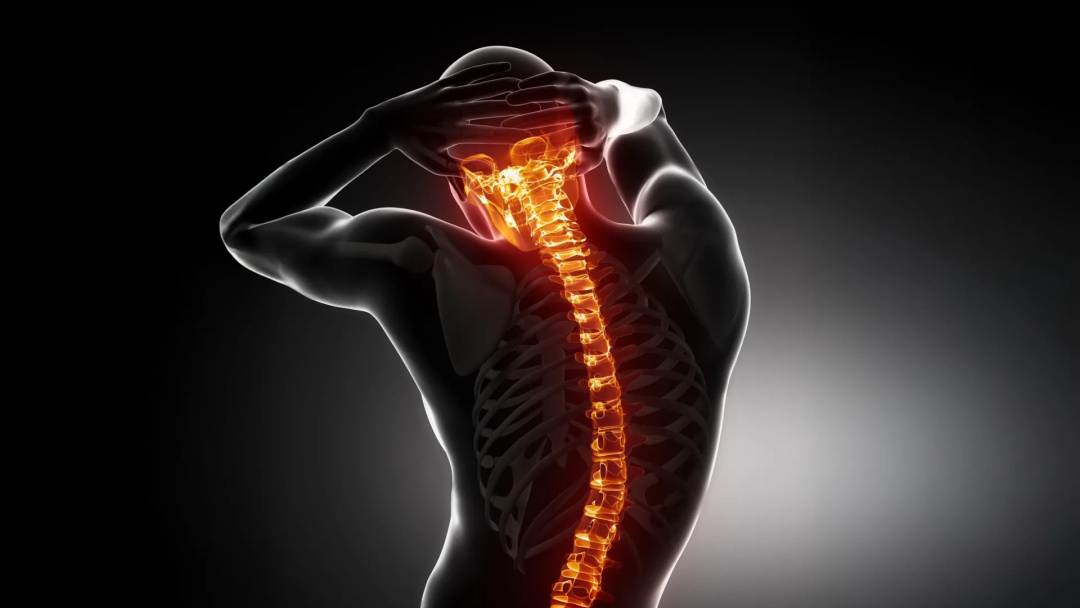
Back pain is a prevalent condition that many individuals experience at some point in their lives. Often, this discomfort is connected to the health of the intervertebral discs, which serve as natural shock absorbers in the spine. While medical treatments and surgical options exist, there are also proactive steps that can be taken through nutrition and lifestyle choices to support spinal health and potentially reduce pain.
A balanced diet plays a crucial role in maintaining the health of spinal discs. Foods rich in protein, such as lean meats, fish, legumes, and dairy, are essential for tissue repair and regeneration. Protein helps to build and maintain the structural integrity of the discs, which can be particularly important as we age and our bodies naturally undergo wear and tear. Additionally, incorporating a variety of fruits and vegetables can provide the necessary vitamins and minerals that support overall health, including bone and joint health.
Fiber is another important component of a healthy diet that can indirectly influence back pain. A diet high in fiber can help maintain a healthy weight, reducing the strain on the spine. Foods such as whole grains, fruits, vegetables, and legumes are excellent sources of fiber. Maintaining a healthy weight is vital, as excess weight can lead to increased pressure on the spine and exacerbate existing back issues.
Hydration is equally important for spinal health. The intervertebral discs are composed largely of water, and staying well-hydrated can help maintain their elasticity and shock-absorbing properties. Aim to drink plenty of water throughout the day, and consider incorporating hydrating foods like cucumbers, oranges, and watermelon into your meals.
In addition to nutrition, mindful movement is essential for spinal health. Regular physical activity can strengthen the muscles that support the spine, improve flexibility, and enhance overall posture. Activities such as yoga, swimming, and walking can be particularly beneficial. These exercises not only promote physical health but also encourage relaxation and stress reduction, which can further alleviate tension in the back.
Mindful eating practices can also contribute to better health outcomes. Paying attention to hunger cues, eating slowly, and savoring meals can help prevent overeating and promote a healthier relationship with food. This approach can support weight management and overall well-being, which are crucial for those dealing with back pain.
Lastly, it is important to listen to your body. If you experience persistent back pain, consider seeking guidance from a healthcare professional who can provide personalized advice tailored to your specific needs. While nutrition and lifestyle changes can significantly impact spinal health, they should complement, not replace, professional medical care.
In summary, back pain is a multifaceted issue that can be influenced by various factors, including nutrition and lifestyle choices. By focusing on a balanced diet rich in protein and fiber, staying hydrated, and incorporating mindful movement into daily routines, individuals can support their spinal health and potentially alleviate discomfort. Taking these proactive steps can lead to improved overall health and well-being, making a positive difference in the quality of life for those affected by back pain.