Eight Nutritious Beans to Include in Your Diet for Better Health
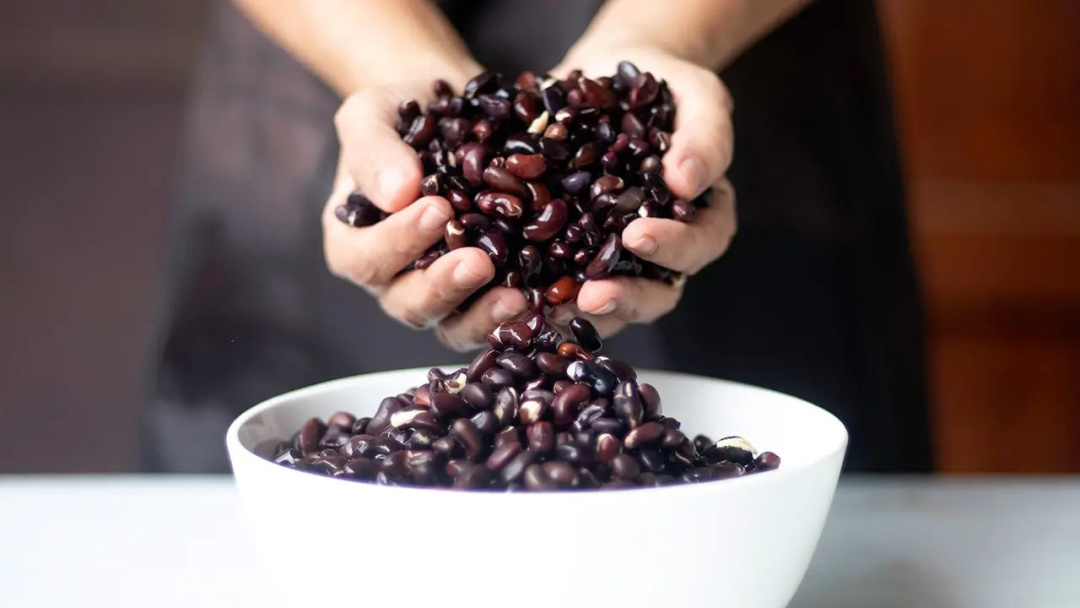
Health experts advocate for the inclusion of beans and legumes in our diets, citing their affordability and impressive nutritional value. According to Samantha Cassetty, a nutrition and wellness expert, fewer than 14% of American adults consume beans daily, which is concerning given their nutrient density. Beans are rich in protein, fiber, and slow-burning carbohydrates, along with essential nutrients like folate, magnesium, and iron, making them a valuable addition to meals.
Canned beans, in particular, are highlighted as one of the cheapest protein sources available, allowing for quick meal preparation. Cassetty notes that simply rinsing and draining canned beans can lead to a nutritious meal in minutes. Regular consumption of beans has been linked to a reduced risk of chronic diseases such as heart disease, type 2 diabetes, and obesity, potentially contributing to a longer lifespan.
Among the beans mentioned, black beans are praised for their protein and fiber content, providing about 8 grams of each per half-cup serving. Cassetty suggests a salad featuring black beans, corn, diced bell peppers, avocado, cherry tomatoes, and salsa as a versatile meal option.
Chickpeas, classified as legumes, are recognized for their versatility in both sweet and savory dishes. They can be air-fried for a crunchy snack or added to salads. Research indicates that regular consumption of chickpeas and hummus is associated with higher fiber and nutrient intakes, improving overall diet quality.
Lentils, another legume, offer a texture similar to ground meat and are a good source of plant-based iron. Cassetty recommends combining lentils with walnuts for added fiber and omega-3 fatty acids, which can enhance heart and gut health.
Edamame, or immature soybeans, are often enjoyed as a snack or appetizer. A half-cup serving provides about 9 grams of protein and 4 grams of fiber. Cassetty suggests a quick meal by tossing edamame with cucumber, brown rice, and sesame oil.
White beans also deliver a substantial protein boost, with approximately 9 grams per half-cup. They can be blended into smoothies for added creaminess without altering the flavor significantly. Pinto beans are noted for their potential cholesterol-lowering effects, with studies indicating they may reduce total and LDL cholesterol levels.
Kidney beans are recommended for their ability to positively influence gut bacteria and reduce inflammation, especially when consumed alongside high-fat meals. Cassetty suggests using them in chili or salads.
Lastly, black-eyed peas are highlighted for their nutritional profile, including protein, fiber, and iron, making them a worthy addition to any diet. Cassetty describes them as essential for dishes like cowboy caviar, a cold bean salad that pairs well with tortilla chips.