Gut Microbiome's Role in Athletic Recovery: Insights from Recent Research

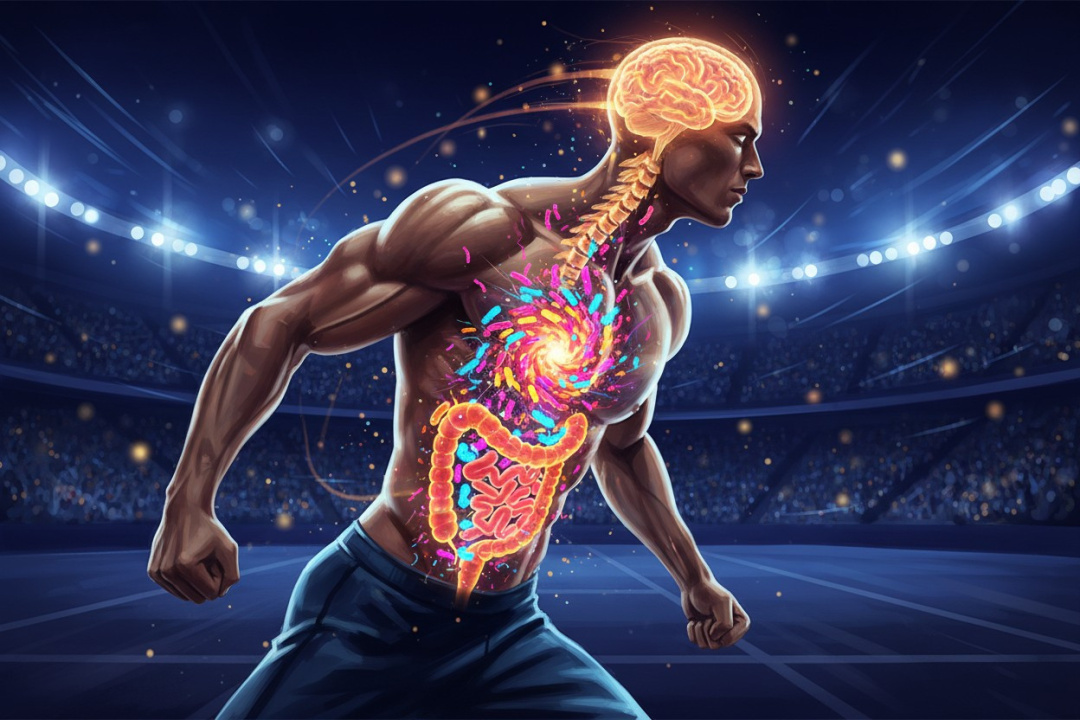
A new narrative review has shed light on the significant role that gut bacteria play in athletic recovery, particularly after intense workouts. While many athletes focus on training, sleep, and nutrition, this research suggests that the trillions of bacteria residing in the gut may be a crucial factor in how quickly one recovers from strenuous exercise. The review examined existing evidence on the influence of gut microbiota on recovery, noting that while gut bacteria are known to impact immunity, metabolism, and inflammation, their specific role in recovery has only recently gained attention.
The researchers conducted a thorough analysis of studies, including clinical trials and large research summaries involving athletes and physically active individuals. They found that the gut bacteria of elite athletes exhibited greater activity compared to those of less active individuals. By re-evaluating 418 publicly available datasets on gut bacteria, the researchers discovered that athletes' microbiomes contained more genetic material related to the production of vitamins, amino acids, and other beneficial compounds, essentially making their gut a more efficient nutrient factory.
A key finding of the review was the importance of short-chain fatty acids, particularly butyrate, which are produced when gut bacteria ferment dietary fiber. Butyrate serves as a primary energy source for the cells lining the gut and plays a role in reducing inflammation after intense training. Notably, professional rugby players showed higher levels of these beneficial compounds in their stool samples compared to non-athletes.
The type of sport also influenced the composition of gut bacteria. Endurance athletes were found to have more bacteria associated with lactate processing and aerobic energy, while strength athletes had a higher prevalence of bacteria that assist in protein metabolism, reflecting their specific training demands.
Additionally, the review highlighted the potential benefits of probiotics. Small, controlled trials indicated that multi-strain probiotic formulas, particularly those containing Lactobacillus and Bifidobacterium, could reduce inflammation, mitigate cell stress, and improve sleep quality in athletes. One study involving an elite soccer team noted improvements in sleep, energy levels, and gut function, alongside reductions in inflammation and stress markers.
The relationship between exercise and gut health is bidirectional; exercise influences which bacteria thrive in the gut, while the composition of gut bacteria can affect recovery outcomes. During periods of heavy training, the diversity of beneficial bacteria may decrease, leading to increased fatigue if not addressed.
While the findings are promising, the review cautions that many studies involved small sample sizes, and results can vary between different bacterial strains. Athletes experiencing frequent illnesses or gut issues may benefit from targeted probiotic interventions. As research evolves, personalized recovery strategies focusing on gut health could become integral to sports medicine, but athletes are encouraged to adopt dietary practices that promote a healthy gut now. This includes increasing fiber intake, diversifying food choices, and minimizing processed foods. If additional support is needed, high-quality probiotics may be beneficial in enhancing gut health and recovery.