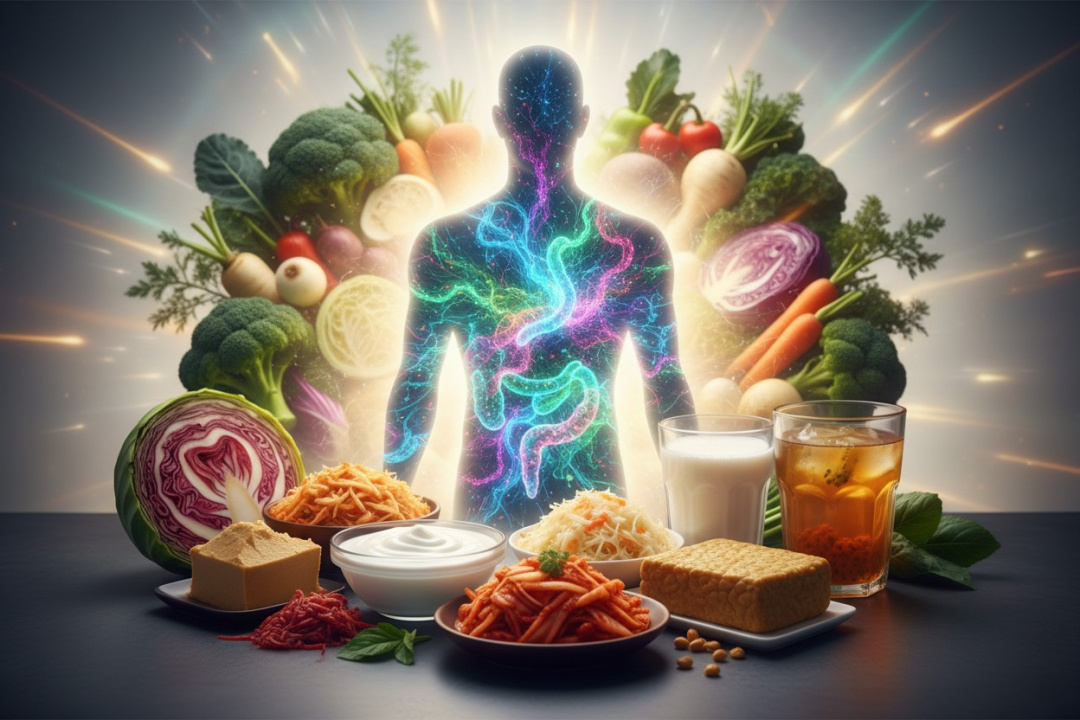
New Review Highlights Gut Health Benefits of Fermented Foods

Fermented foods have long been recognized for their potential to support gut health, but a new review published in Nature Reviews Microbiology suggests that their benefits may extend beyond digestion. This comprehensive review synthesizes findings from numerous studies, indicating that fermented foods could influence immune function and metabolism, as well as the connection between oral health and gut health.
Fermented foods are created through the fermentation process, where bacteria, yeasts, or other microbes transform food. This process not only preserves the food but also generates health-promoting compounds. The review highlights that these foods provide a unique combination of live microorganisms, postbiotic metabolites, and prebiotic substrates that supplements may not replicate.
Among the findings, the review notes that fermented plant foods such as kimchi, sauerkraut, tempeh, miso, and other fermented vegetables may offer distinct benefits compared to fermented dairy products like yogurt and kefir. This difference is largely attributed to the fiber content found in plant-based fermented foods, which helps protect beneficial microbes during digestion and nourishes existing gut bacteria. The researchers suggest that this fiber-rich 'food matrix' enhances the survival of microbes as they traverse the digestive tract, fostering stronger interactions with the gut lining.
While yogurt and kefir also contribute positively to gut health, the review posits that fiber-rich fermented foods may provide an additional layer of support by combining probiotics with prebiotic fiber. Another significant aspect discussed is the concept of the 'oral-gut axis,' which refers to the communication between microbes in the mouth and those in the digestive tract. The review proposes that fermented foods may positively influence both microbial communities, potentially supporting healthier oral bacteria and enhancing gut microbiome health.
The implications of these findings are substantial, as oral health has been linked to inflammation and various chronic diseases. Understanding this connection is becoming increasingly important in nutritional research.
The review does not advocate for drastic dietary changes but suggests that incorporating a variety of fermented foods into an overall healthy diet, alongside fiber-rich whole foods, can be a practical approach to supporting gut health. Looking forward, the authors propose integrating the microbiome of fermented foods into precision nutrition, a tailored dietary strategy that considers individual differences in microbiome composition and responses.
In conclusion, the review underscores that fermented foods are more than just a means of delivering probiotics; their health benefits arise from a combination of live microorganisms, postbiotic metabolites, and prebiotic substrates that may not be fully replicated in supplement form. Including a diverse array of fermented foods as part of a balanced diet remains one of the most effective and evidence-supported methods for promoting gut health.