Study Links Gum Disease to Increased Risk of Type 2 Diabetes
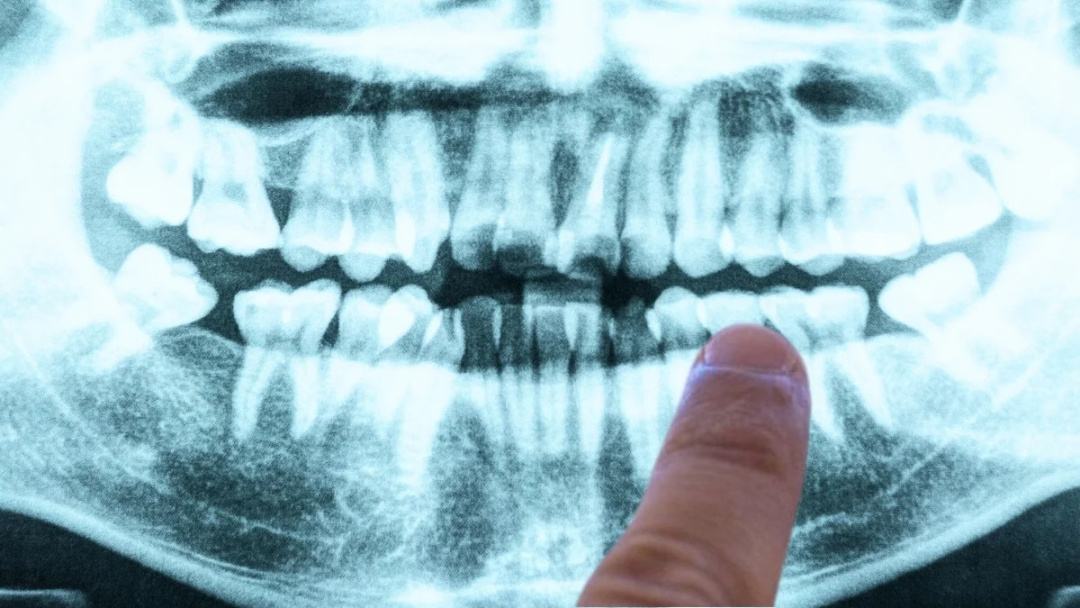
A recent study published in The Lancet Public Health highlights the potential link between oral health and the risk of type 2 diabetes. This major review examined data from over 300,000 individuals and found that periodontitis, a severe form of gum disease, is associated with a higher likelihood of being diagnosed with type 2 diabetes during follow-up periods. The study indicates that the relationship may also function in reverse, where diabetes increases the risk of gum disease and tooth loss.
Periodontitis is characterized by prolonged inflammation that damages the tissues and bone supporting the teeth, leading to swollen gums, bleeding, and potentially tooth loss if untreated. The international research team, led by periodontologist João Botelho from the Egas Moniz School of Health and Science in Portugal, systematically reviewed 28 longitudinal studies conducted across 16 countries. This comprehensive analysis allowed them to investigate the sequence of events between periodontitis and diabetes.
Among the six studies that followed approximately 29,000 participants for periods ranging from 5 to 20 years, those with periodontitis at the outset exhibited an 18 to 25 percent higher occurrence of newly diagnosed type 2 diabetes compared to those without the condition. Additionally, individuals who had lost all their teeth at the start of the studies showed a 30 percent higher incidence of newly diagnosed diabetes during follow-up.
Conversely, the study also noted that participants who began with diabetes were more likely to develop periodontitis and experience tooth loss later, although this evidence was less consistent. Senior author Fernando Valentim Bitencourt emphasized the importance of recognizing that oral health and diabetes should not be viewed as separate health issues.
Several explanations have been proposed for this bidirectional relationship. Periodontitis may cause persistent inflammation in the mouth, allowing bacteria and inflammatory molecules to enter the bloodstream through damaged gum tissue, potentially leading to systemic inflammation and insulin resistance, a key feature of type 2 diabetes. On the other hand, high blood sugar levels can impair healing and increase susceptibility to infections, making individuals with diabetes more vulnerable to gum disease.
While a 2025 study indicated that individuals with type 2 diabetes had a lower saliva flow rate and a higher prevalence of severe tooth decay, it is important to note that this cross-sectional study does not establish a causal relationship. The authors of the Lancet study acknowledged that the strength of the association varied among the studies reviewed, and the methods for defining periodontitis were not always consistent.
Despite these limitations, the findings suggest a need for greater integration of oral health into diabetes prevention and management strategies. With diabetes affecting approximately 830 million people globally in 2022 and oral diseases impacting an estimated 3.7 billion, the burden of both conditions is significant. The study raises the possibility that dentists could help identify patients who may benefit from diabetes screening, while individuals already diagnosed with diabetes could receive more systematic oral health assessments. Current CDC guidance supports the idea that dental professionals can screen for diabetes risk and refer patients for diagnosis.
While gum disease should not be seen as a definitive diagnosis of diabetes, symptoms such as red, swollen, or bleeding gums warrant discussion with a dental professional, especially when accompanied by established diabetes risk factors. This research underscores the importance of recognizing the connections between oral health and overall metabolic health, suggesting that the mouth may provide valuable insights into future health risks that should not be overlooked.