THC Medication Shows Promise in Reducing Nightmares for PTSD Patients
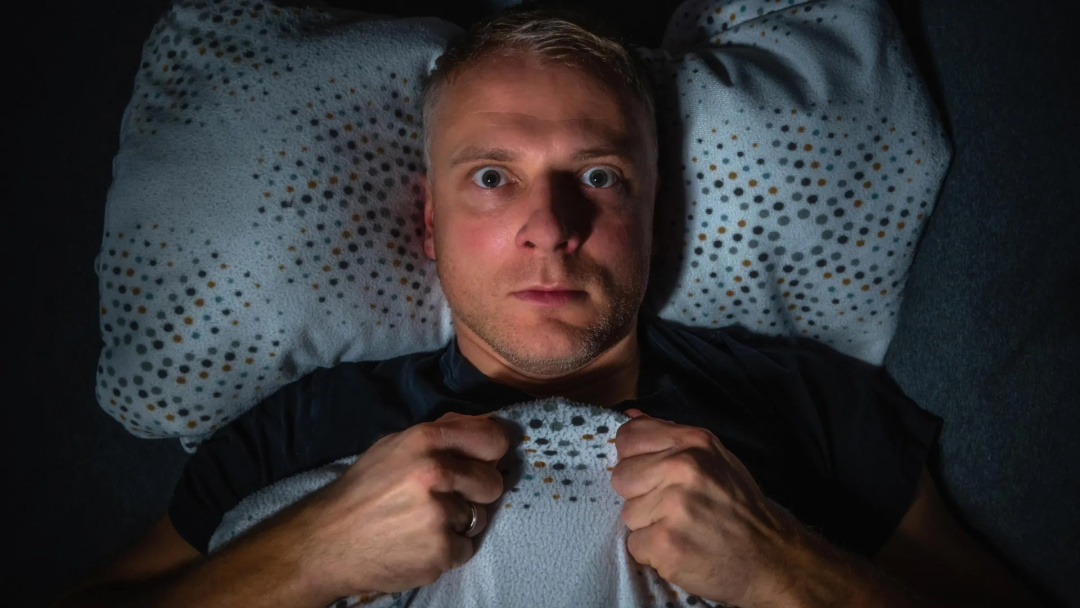
Nightmares are a common and distressing symptom of post-traumatic stress disorder (PTSD), a condition that can arise after experiencing severe trauma, such as violence or combat. Individuals suffering from PTSD may find themselves reliving traumatic events during sleep, leading to significant sleep disturbances and anxiety about going to bed. Traditional medications often provide limited relief for these trauma-related nightmares. In light of this, researchers at Charité -- Universitätsmedizin Berlin investigated whether a prescription drug containing THC, a key active compound in cannabis, could alleviate these distressing symptoms. Their findings, published in Nature Medicine, reveal that over half of the participants responded positively to the treatment, with more than one-third experiencing a complete disappearance of nightmares after ten weeks. The challenges of treating PTSD nightmares stem from the brain's difficulty in processing traumatic experiences, which can lead to involuntary recollections during both waking and sleeping hours. While some medications, including antidepressants and blood pressure medications, are sometimes prescribed, they often fail to address the nightmares directly. In Germany, no specific medication has been approved for treating trauma-related nightmares. Prof. Stefan Röpke, who studies trauma-related disorders at Charité, and his team turned their focus to THC, which interacts with the endocannabinoid system that regulates sleep, stress, and emotional memory processing. Röpke noted that THC may reduce dream activity during REM sleep, thereby alleviating nocturnal stress responses. For their study, researchers administered Dronabinol, a prescription medication containing THC, to over 170 individuals with PTSD and frequent, severe nightmares. Participants received either Dronabinol or a placebo that resembled the medication in appearance. This double-blind, placebo-controlled study design is considered the gold standard for evaluating medical treatments. After ten weeks, those taking Dronabinol reported a significant reduction in nightmare severity compared to the placebo group. On a scale from zero to eight, the average nightmare burden decreased by 3.7 points for those on Dronabinol, while the placebo group saw a reduction of only 2.2 points. Notably, over one-third of patients on Dronabinol reported no nightmares at all after the treatment period, and 21 percent noted their nightmare burden had been halved. Furthermore, about 83 percent of participants in the Dronabinol group felt their health had improved significantly. The treatment appeared to specifically target nightmares and sleep disturbances rather than the broader symptoms of PTSD or associated depression. While no severe side effects were reported, mild to moderate effects such as dizziness and increased appetite were more common among those receiving Dronabinol. Importantly, participants did not experience withdrawal symptoms after discontinuing the medication at the study's conclusion. Future research will aim to determine the long-term safety and efficacy of this treatment and whether patients may develop a tolerance to THC over time. The study was led by Charité and included contributions from various research institutions, with support from Bionorica SE.