Genetically Engineered Lettuce Produces Myoglobin, a Key Meat Protein
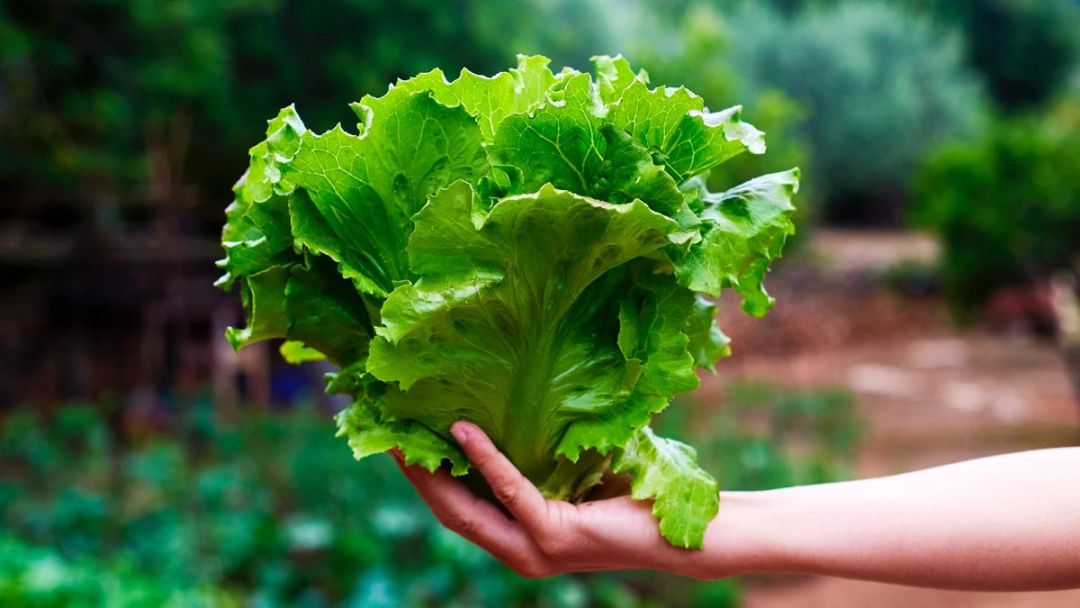
In a significant advancement for sustainable food production, researchers have genetically engineered lettuce (Lactuca sativa) and tobacco (Nicotiana tabacum) plants to produce myoglobin, a key protein that contributes to the flavor and nutritional profile of meat. This research, published in Frontiers in Plant Science, was led by Alexia Groff, a plant biotechnology researcher at Imperial College London. The study addresses the increasing demand for sustainable food sources, particularly as the environmental impacts of animal agriculture become more pronounced.
The team utilized a method known as biolistic transformation, employing a 'gene gun' to introduce optimized pig myoglobin genes into the chloroplasts of the plant seedlings. Following successful integration of the DNA, the plants were cultivated to maturity, and subsequent tests confirmed that the transgene was inherited by their offspring. Remarkably, the transformed plants exhibited healthy growth and fertility, showing no significant impairment in photosynthesis despite the production of myoglobin, which binds heme—a vital molecule in plant metabolism.
The results indicated that the engineered lettuce produced approximately 810 mg of myoglobin per kilogram of dry weight, while the tobacco yielded around 800 mg per kilogram. Although these amounts are considerably less than what is typically found in animal muscle, the researchers emphasize the resource efficiency of plant cultivation compared to livestock farming. They suggest that plant-derived myoglobin could yield protein per hectare that rivals or even surpasses that of animal agriculture, while also significantly lowering water usage and greenhouse gas emissions.
The researchers acknowledge that further studies are necessary to accurately compare the myoglobin production in plants with traditional livestock farming. If this technique gains traction, the myoglobin extracted from these engineered plants could be incorporated into plant-based meat products or consumed directly as a fresh ingredient. However, the current method serves primarily as a proof of principle, with the team indicating the need for improvements to increase protein yields and enhance heme incorporation.
Groff noted that while the protein folds correctly, the incorporation of heme is incomplete, highlighting a clear direction for future research. The team is eager to explore not only myoglobin but also other high-value food and functional proteins, suggesting that chloroplasts may serve as a promising platform for sustainable molecular farming. The findings underscore the potential for innovative agricultural practices to address food security and environmental challenges.