Study Links Higher-Protein Breakfasts to Improved Blood Sugar Control

A recent study involving 54 adults has revealed that opting for a higher-protein breakfast instead of a carbohydrate-heavy one can significantly reduce post-meal blood sugar spikes. This finding is particularly relevant for individuals who carry a variant of the MTNR1B gene, which is associated with higher morning blood sugar levels and an increased risk of Type 2 diabetes. The study, published in a Nature journal, aimed to explore how genetic factors influence blood sugar responses to different breakfast compositions.
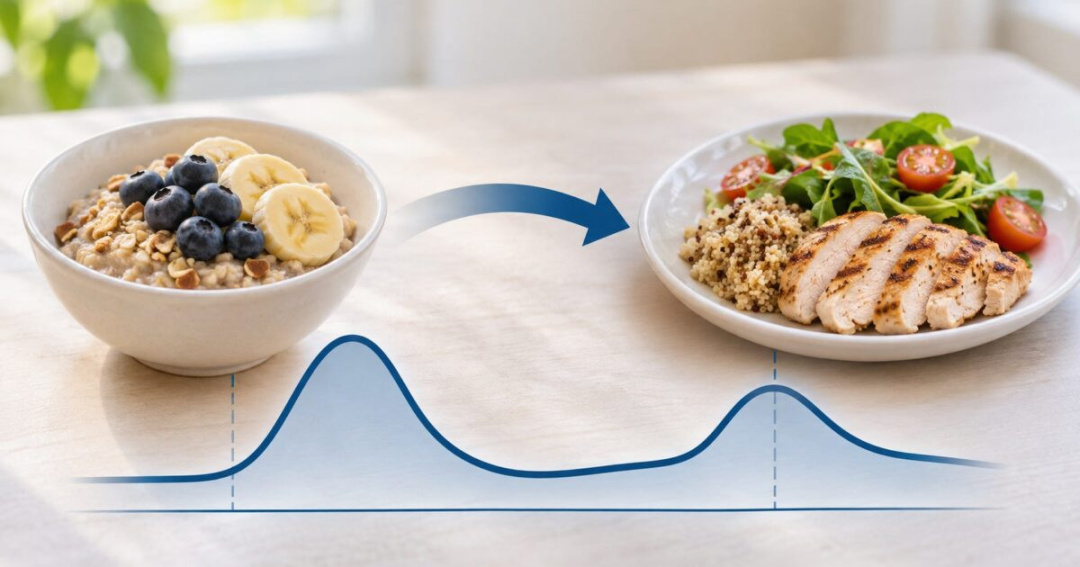
Participants in the study consumed two different breakfasts on separate mornings: one consisting of a carbohydrate-rich porridge and the other a higher-protein version of the same meal. Blood sugar levels were monitored using continuous glucose monitors for two hours following each breakfast. This design allowed researchers to directly compare how each individual's blood sugar levels reacted to the two types of meals. Additionally, participants were tested to determine their MTNR1B gene variants.
The results indicated that across the entire group, the higher-protein breakfast led to smaller blood sugar spikes compared to the carbohydrate-heavy meal, regardless of the participants' genetic backgrounds. However, those who inherited the at-risk MTNR1B variant from both parents exhibited higher fasting blood sugar levels and experienced the most significant spikes after consuming the carbohydrate-rich breakfast. Notably, these differences were not present after the higher-protein breakfast.
The implications of the MTNR1B gene variant are well-documented in scientific literature. Previous studies have shown that this variant can exacerbate the negative effects of melatonin on glucose tolerance in humans. The current study aligns with other research that emphasizes the importance of meal composition and timing in managing blood sugar levels. For instance, a pilot study published in Nutrients found that substituting refined carbohydrates with quinoa improved glucose control in older adults with pre-diabetes.
The timing of meals also plays a crucial role in blood sugar regulation. Melatonin levels, which can remain elevated in the morning, may interfere with insulin secretion in individuals carrying the MTNR1B variant, making it more challenging to maintain stable blood sugar levels after eating. This pattern has been observed in previous research, indicating that high melatonin levels at night can lead to poorer blood sugar responses to meals.
The study authors noted that while the findings are significant, they are based on a small, healthy participant group and may not be generalizable to older adults or those with existing metabolic conditions. They emphasized that understanding one's MTNR1B status is not necessary for applying these findings in dietary practices. The goal is not to eliminate carbohydrates from the diet but rather to combine them with protein to help moderate blood sugar spikes. Suggested protein sources include eggs, Greek yogurt, cottage cheese, smoked salmon, or protein shakes.
Moreover, dietary guidance consistent with these findings suggests that combining carbohydrates with protein, fiber, or healthy fats can help reduce post-meal glucose surges and prolong feelings of fullness. For example, meals like avocado toast, quinoa bowls, or yogurt with nuts can be effective in stabilizing blood sugar levels.
Despite the promising results, the study's limitations, including its small sample size and short monitoring period, indicate that further research is needed to fully understand the implications of breakfast composition on blood sugar control, particularly in diverse populations and those with metabolic disorders.