Impact of Ukraine War on Food Affordability and Cooking Practices in Kenya
The war in Ukraine, which began with Russia's invasion in February 2022, has had profound effects on global energy markets and food supply chains. This conflict has caused a sharp increase in international crude oil and natural gas prices, coupled with significant disruptions to the export of essential commodities such as wheat, maize, sunflower oil, and fertilizers from the affected regions. As a result, global food prices have reached unprecedented levels, with Kenya being particularly hard hit due to its reliance on imports for approximately 92% of its wheat consumption.
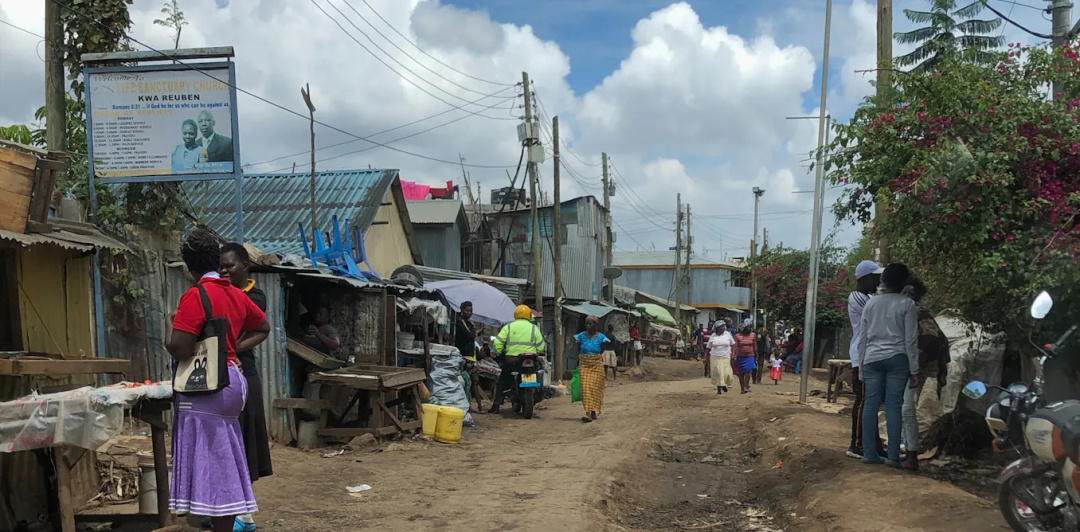
In response to these challenges, a research team led by a global health researcher conducted a study in Mukuru, an informal settlement in Nairobi, to assess how the war impacted families' ability to afford food and cooking fuel. The study focused on the usage of liquefied petroleum gas (LPG) for cooking, which is utilized by around one-third of Kenyan households, primarily in urban areas. Given that Kenya does not produce LPG domestically, fluctuations in global energy prices can significantly affect cooking costs for families.
The findings from the study revealed alarming trends in dietary and cooking behaviors among the surveyed households. Food inflation in Kenya nearly doubled from 8.9% to 15.4% during 2022, driven by rising global food and transport costs, as well as a prolonged drought that adversely affected local harvests. The data collected from smart meters indicated that families significantly reduced their cooking with gas, using their stoves for an average of only eight days per month in 2022, compared to 19 days in 2021. Additionally, the total cooking time decreased from 12.8 hours per month to just 8.3 hours.
The dietary changes were equally striking, with three-quarters of families reporting alterations in the foods they prepared. More than half of the participants indicated they consumed less meat and fish, opting instead for staples like ugali (maize porridge) and vegetables. The survey also revealed that half of the families skipped more meals due to the rising costs, and one-third reduced their gas consumption for cooking.
Families participating in the study were customers of PayGo Energy, a company that offers a pay-as-you-go model for gas, allowing them to purchase fuel in smaller increments. This model is particularly beneficial for low-income households, as it provides greater accessibility to cleaner cooking options compared to traditional biomass fuels, which are often more polluting.
The research utilized a United Nations World Food Programme tool to measure household coping strategies in response to food shortages. Participants reported significant changes in their eating habits, with many stating that they had to balance their food intake and cooking fuel usage to manage their expenses. One participant highlighted this struggle, mentioning a shift to quicker-cooking foods like rice and spaghetti to save on gas.
The implications of this study extend beyond the immediate effects of the Ukraine conflict. Historical precedents, such as the 2026 closure of the Strait of Hormuz, demonstrate that geopolitical tensions can disrupt food and energy security in East Africa. As climate change exacerbates these challenges, it is crucial for national and global policies to address food insecurity risks through direct safety nets for vulnerable families, including cash transfers and subsidies for nutritious foods.
Investments in small-scale agriculture, improved access to credit, and sustainable farming practices are essential to enhance resilience against future shocks. By supporting local food production and ensuring access to affordable, nutritious options, communities can better withstand the impacts of climate change and geopolitical instability.