Kennedy's Cooking Show: A Complex Blend of Food and Political Ideology
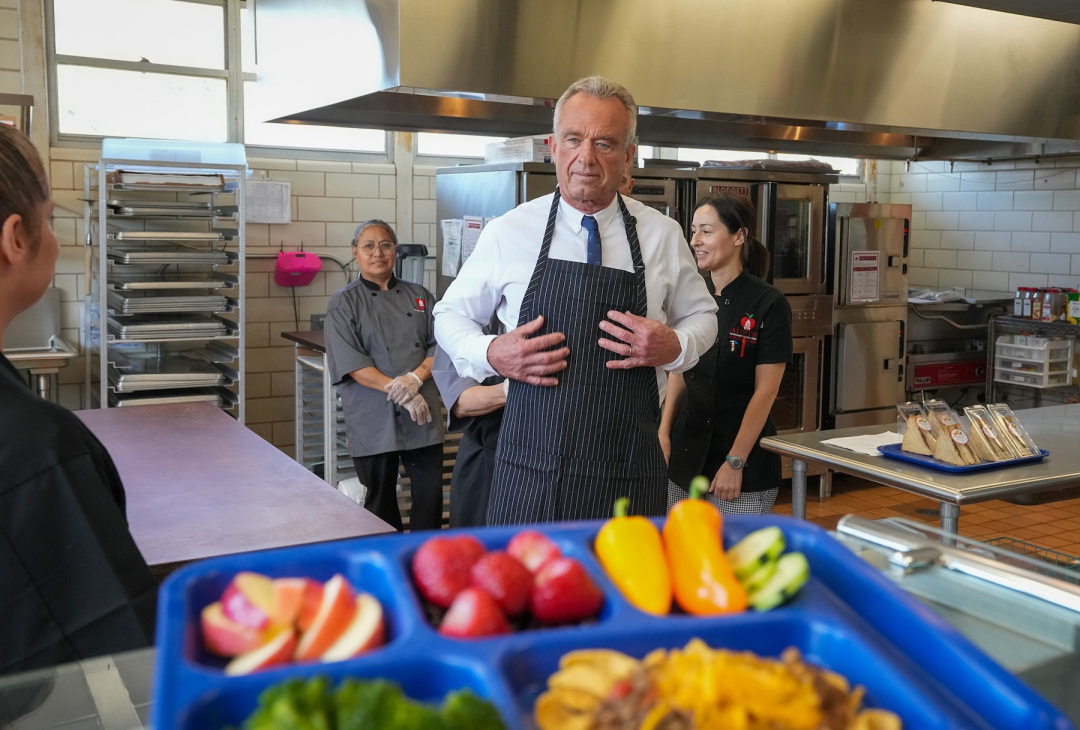
The premiere of 'The Real Food Show,' hosted by Robert F. Kennedy Jr., opens with a somewhat awkward moment as Kennedy takes a single bite of salmon cake, declaring it 'amazing,' while the accompanying salad remains untouched. This moment encapsulates the show's peculiar tone, which combines the familiar elements of a cooking program with a notable absence of genuine enthusiasm for food. The show is officially intended to translate the Dietary Guidelines for Americans into practical cooking advice, but it often feels more like a platform for political messaging than a celebration of culinary arts.
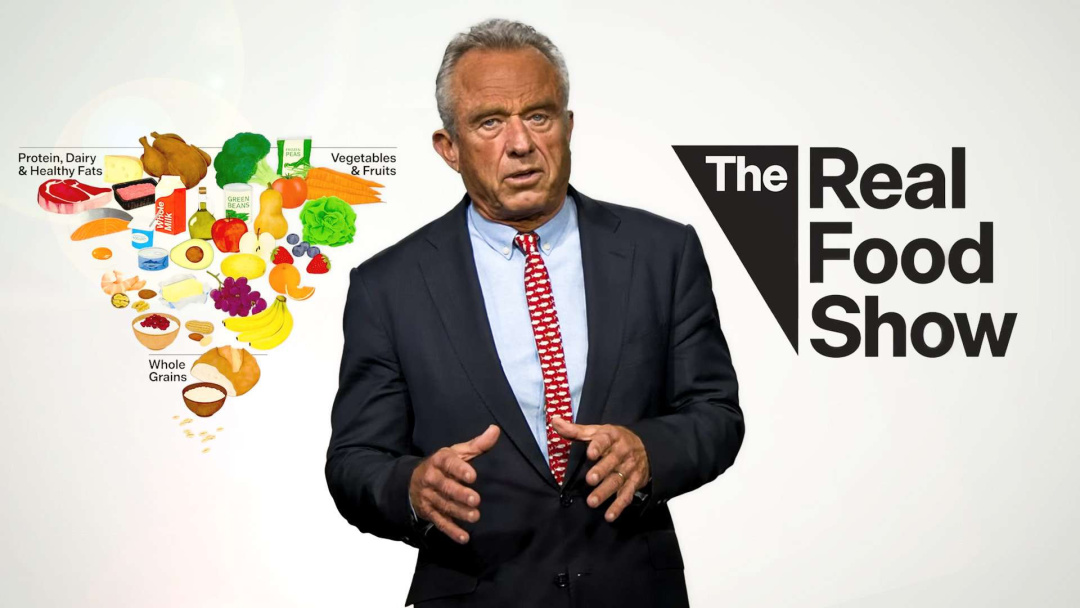
Kennedy's show is part of a broader initiative by the Department of Health and Human Services to promote healthy eating through accessible recipes and cooking techniques. However, the execution raises eyebrows. The show's visuals, which include a digital cornucopia of cartoonish food items, seem to undermine its message of authenticity. Despite the promise of 'real food,' the presentation lacks the vibrancy and appeal typically associated with cooking shows.
Kennedy's co-host, chef Andrew Gruel, attempts to engage viewers with practical cooking tips, such as using familiar ingredients and offering substitutions. Yet, the narrative quickly shifts to a critique of processed foods, which Gruel claims are engineered to be addictive. This grim framing suggests that the pleasures of cooking with whole ingredients have only recently been rediscovered, which may alienate viewers who seek inspiration rather than admonition.
As the episode progresses, Gruel prepares salmon cakes, providing a recipe that includes frozen salmon and various seasonings. However, the pricing graphics presented alongside the ingredients raise questions about the show's commitment to affordability. For instance, the price of the salmon is quoted without context, leading to discrepancies when compared to local grocery prices, suggesting that the show may not be as accessible as it claims.
Kennedy's commentary throughout the episode often veers into political territory, as he critiques the Biden administration's dietary guidelines and promotes a narrative that positions his approach as a necessary correction to past government policies. This intertwining of food and politics culminates in a suggestion that teaching Americans to eat correctly could alleviate the need for government support, a notion that raises ethical concerns about the role of nutrition education in addressing food insecurity.
Despite the show’s practical cooking advice, the underlying message—that personal dietary choices can substitute for systemic support—remains troubling. The final moments of the episode see Kennedy take another bite of the salmon cake, but the lack of genuine engagement with the food itself reflects a deeper issue: the show seems more focused on delivering a political message than fostering a love for cooking and healthy eating.
In summary, 'The Real Food Show' presents a complex blend of culinary instruction and political ideology. While it offers some useful cooking tips, the framing and context may detract from its potential to inspire viewers to embrace healthier eating habits. The show illustrates the challenges of separating food education from the political narratives that often accompany it, leaving viewers to ponder the true role of cooking in their lives and society.