GLP-1 Medications and Hair Loss: Understanding the Connection
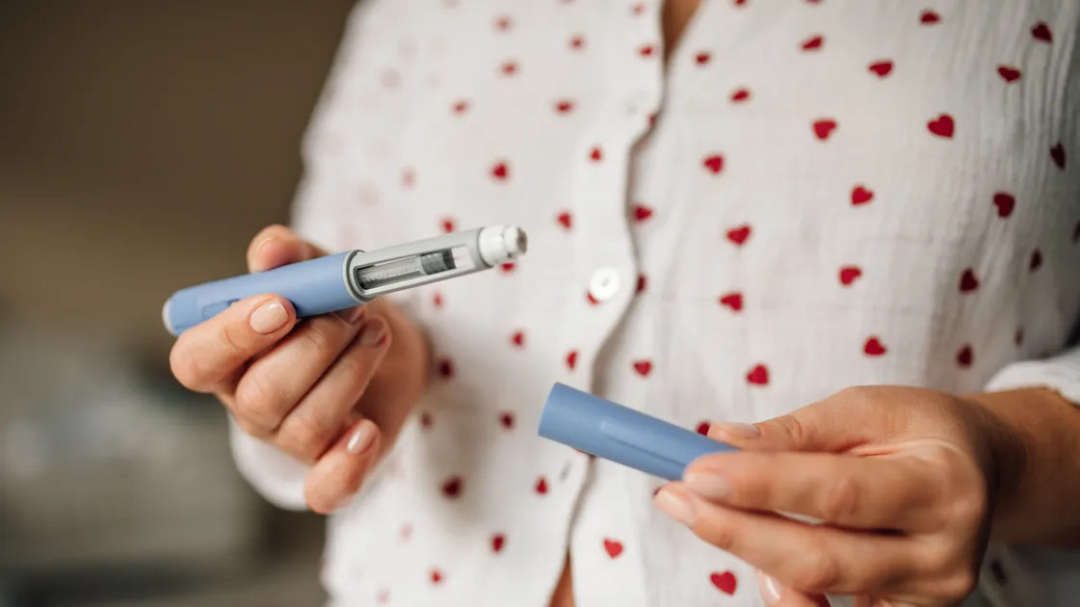
GLP-1 medications, such as Ozempic, Wegovy, and Zepbound, have gained popularity in the United States, with approximately 11% of American adults reporting their use for benefits like weight loss and reduced risks of heart disease and cancer. However, as more individuals begin these treatments, some unexpected side effects have emerged, including hair loss, which has been frequently reported among new users. Dr. Lauren Kole, an associate professor of dermatology at the University of Alabama at Birmingham, notes that the primary cause of this hair loss is a condition known as telogen effluvium. This condition occurs when the body experiences stress, causing it to prioritize essential functions over hair growth. The rapid weight loss associated with GLP-1 medications can trigger this stress response, leading to noticeable hair shedding. Dr. Sharleen St. Surin-Lord, a dermatologist, explains that the hair loss typically does not manifest immediately; it may take a month or two for individuals to notice increased hair loss, often seen in their brushes or during showers. Fortunately, this type of hair loss is generally temporary. Dr. Daniel Bessesen, a professor of medicine specializing in endocrinology, reassures that the shedding will usually subside over time. Unlike other forms of hair loss, telogen effluvium does not result in bald patches, but rather increased shedding while still retaining hair across the scalp. The duration of this hair loss can vary, lasting anywhere from three to six months before hair regrowth begins. However, it may take additional time for the hair to fully return to its original fullness, particularly for those with longer hair. Maintaining adequate dietary protein is vital during this period, as hair is composed of protein. Dr. Bessesen emphasizes the importance of hydration and protein intake, especially since GLP-1 medications can suppress appetite, potentially leading to inadequate nutrient consumption. Nutrient deficiencies can prolong telogen effluvium, so ensuring a balanced diet rich in vitamins and minerals is essential for healthy hair growth. If hair loss persists beyond a few months or if there are underlying conditions contributing to hair loss, consulting a dermatologist is advisable. Dr. Kole highlights the importance of addressing any pre-existing hair loss conditions before starting GLP-1 medications, as these could exacerbate the effects of telogen effluvium. While rapid weight loss can be beneficial, it is crucial to monitor its impact on overall health, including hair health. For most users, hair loss associated with GLP-1 medications is a common side effect that resolves with time, but ongoing concerns should be discussed with a healthcare provider to ensure proper management.