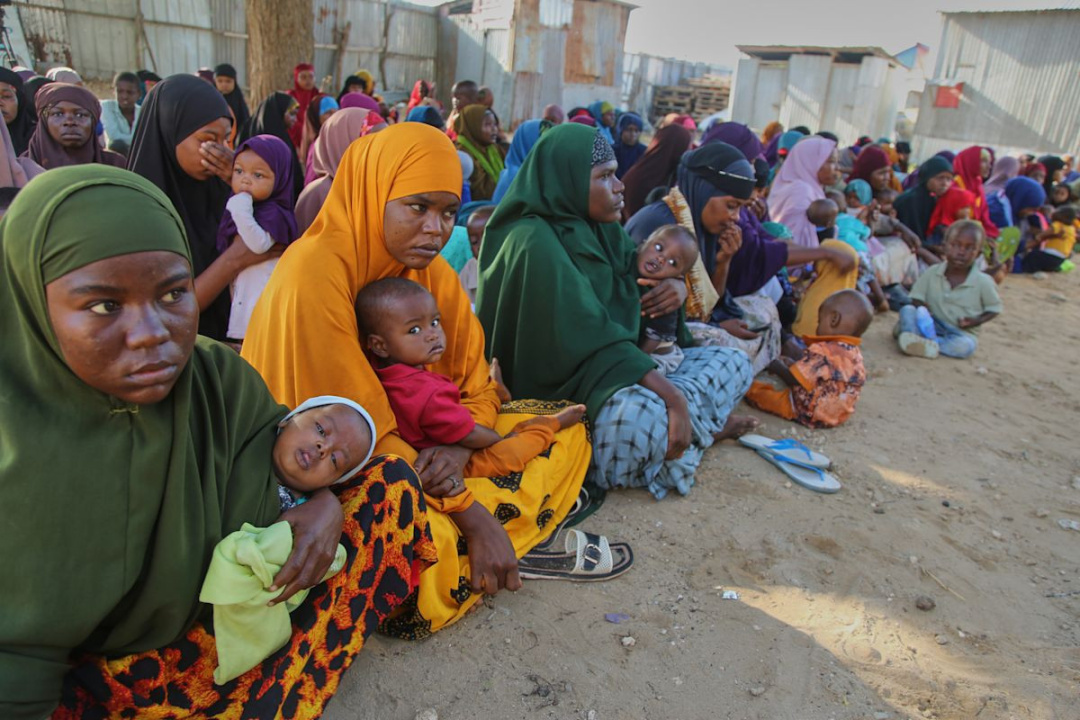
Child Malnutrition Crisis in Afghanistan Intensifies Amid Funding Cuts
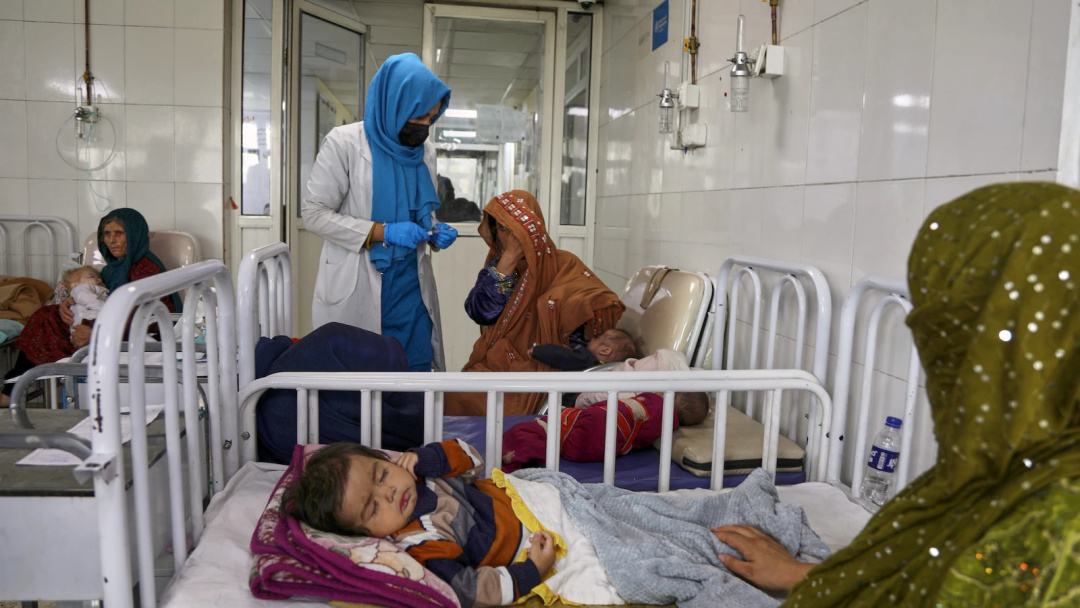
Child malnutrition has reached alarming levels in Afghanistan, with the U.N. World Food Program (WFP) reporting that a third of the country's provinces are experiencing critical conditions. The situation is anticipated to deteriorate further as funding shortfalls are forcing cuts in food distributions and other essential support. John Aylieff, WFP’s country director in Afghanistan, emphasized the urgency of the crisis, stating, "We must act now to stem the rise in child deaths, which this crisis is provoking," and lamented that for many children, it is already too late.
According to Olga Cherevko, spokesperson for the U.N. humanitarian office in Afghanistan, nutrition specialists have observed that wasting among children has worsened this year in over three-quarters of the country. Wasting is a severe form of malnutrition where children become dangerously thin for their height and require immediate therapeutic feeding. Unfortunately, many children arrive at health facilities in a severely malnourished state, while others do not make it to treatment at all.
The WFP reported that 142 health centers closed in 2025 due to reductions in aid, resulting in over 13,000 children losing access to vital nutrition treatment. The agency did not specify which donors were involved in the funding cuts, although it noted that U.S. foreign aid has seen significant reductions in recent years. This year, nearly 3.7 million Afghan children are projected to suffer from acute malnutrition, alongside 1.2 million pregnant and breastfeeding women.
The WFP highlighted that 12 provinces have reached critical levels of acute child malnutrition, marking a record high. The crisis is attributed to a combination of ongoing conflict, unemployment, rising food prices, disease outbreaks, poor water and sanitation, and diminished humanitarian funding. Furthermore, supply shortages linked to regional conflicts and the closure of Pakistan’s border have disrupted the delivery of nutrition products, leaving almost one million malnourished women and children without essential services for five months.
From August through October, WFP plans to suspend food distributions aimed at preventing famine in the worst-hit areas due to a lack of funding, coinciding with the peak season for malnutrition. The agency urgently requires $540 million over the next six months to address these needs. Humanitarian organizations in Afghanistan are facing severe funding cuts, with Aylieff previously stating that these reductions have been "devastating," forcing the agency to turn away three out of four acutely malnourished children.
Funding for food assistance has plummeted by approximately 59% since 2022, despite the escalating needs. In June, the U.S. pledged $800 million to the WFP, which aims to assist over 38 million people in at least 37 countries. However, Cherevko noted that the larger humanitarian appeal for Afghanistan, totaling $1.71 billion, is only 26% funded, which is particularly concerning as malnutrition rates continue to rise.