Research Highlights Blueberries' Role in Cardiovascular and Cognitive Health
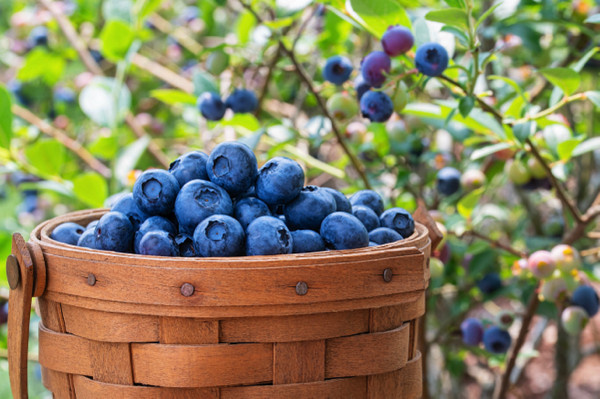
Blueberries, once considered nutritionally insignificant, are now recognized for their substantial health benefits, particularly in cardiovascular and cognitive health. Recent findings from King's College London and other institutions suggest that regular consumption of blueberries can significantly improve heart health, protect brain function, and potentially aid in cancer prevention. This change in perception underscores a broader evolution in nutritional science, which has increasingly acknowledged the importance of phytochemicals in disease prevention rather than focusing solely on macronutrients.
The significance of blueberries is particularly relevant today, as chronic diseases such as cancer, heart disease, and diabetes continue to impact millions globally. Health advocates emphasize the need for practical dietary interventions, and blueberries present an accessible option. Laura Newton, a registered dietitian and associate professor at UAB, highlights that antioxidants like anthocyanins found in blueberries may help mitigate free-radical damage associated with cancer. Free radicals are unstable molecules that can harm cells and accelerate aging and disease progression.
A serving of blueberries, approximately one cup, contains around 80 calories and is rich in vitamin C, which supports the immune system and enhances iron absorption. For individuals battling cancer, vitamin C is particularly beneficial as it strengthens blood vessels and reduces the risk of bruising. The GreenMedInfo research database has identified 60 potential disease applications for blueberries, including implications for triple-negative breast cancer.
Heart disease, the leading cause of death worldwide, makes the research surrounding blueberries especially critical. A review published in 2024 found that consuming blueberries regularly for a month resulted in significant improvements in blood flow and blood vessel dilation. Additionally, another study indicated that higher blueberry intake correlated with a 33% reduction in heart attack risk among women.
The beneficial effects of blueberries are largely attributed to their anthocyanin content, which enhances blood vessel function and reduces inflammation. The fiber in blueberries also contributes to maintaining healthy cholesterol levels, providing a multifaceted approach to cardiovascular health.
As populations age, the need to preserve cognitive function becomes increasingly important. Studies suggest that blueberries may enhance memory, learning, and overall brain function, particularly in older adults. Polyphenols in blueberries are believed to protect brain cells from oxidative stress and inflammation, potentially slowing cognitive decline associated with aging. A 2023 study found that participants consuming blueberry powder equivalent to one cup of fresh blueberries daily experienced improved memory and maintained brain function.
Emerging research also points to the role of blueberries in digestive health. A cup of blueberries provides 3.6 grams of fiber, promoting regular bowel movements and overall digestive health. Notably, the polyphenols in blueberries reach the large intestine intact, where they support beneficial bacteria such as Bifidobacteria and enhance gut barrier integrity. In a small study involving individuals with irritable bowel syndrome, those consuming freeze-dried blueberries equivalent to 1.25 cups of fresh berries daily reported reduced abdominal discomfort and improved well-being compared to a placebo group.
Experts recommend incorporating fresh or frozen blueberries into the diet for optimal health benefits. Frozen blueberries retain similar nutritional value to fresh ones and are available year-round, while processed blueberry products, such as juices, often lack fiber and may contain added sugars that could negate health benefits.
The growing body of evidence supporting the health benefits of blueberries positions this small fruit as a significant asset in preventive healthcare. While researchers acknowledge existing gaps in understanding, current studies demonstrate benefits across cardiovascular, cognitive, digestive, and potential cancer-prevention domains. For health-conscious consumers, integrating blueberries into a balanced diet offers a simple, evidence-based choice, reflecting the fruit's remarkable journey from nutritional pariah to a celebrated health ally.