Role of TAK1 Signaling in Heart Development and Congenital Heart Disease
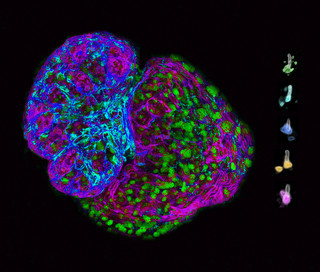
A recent study published in PLOS Biology explores the intricate role of Transforming Growth Factor-Beta-Activated Kinase 1 (TAK1) in heart development and its implications for congenital heart disease (CHD). The research highlights how pathogenic variants in genes encoding non-canonical TGFB signaling components, such as TAK1, can lead to multisystem disorders that frequently include CHD. The study's findings are particularly significant as they provide insights into the mechanisms underlying heart development, which remains a critical area of research due to the prevalence and complexity of congenital heart defects.
The research team conducted genetic analyses of patients with CHD and discovered a notable increase in rare variants of the TAB2 and TAK1 genes in those with extracardiac abnormalities. To further investigate the role of TAK1 in heart development, the researchers utilized zebrafish models, which are commonly used in developmental biology due to their transparent embryos and rapid development. The results showed that both tak1 and tab2 mutants exhibited significant cardiac and extracardiac developmental defects. Specifically, the hearts of tak1 mutants displayed downregulation of essential genes responsible for cardiac transcription, sarcomeric proteins, and extracellular matrix proteins.
In vitro experiments indicated that TAK1, in conjunction with TAB2 and PKA-Cα, is activated at the primary cilium during cardiomyogenesis. The activation of this signaling pathway is enhanced by TGFB/BMP ligands, which are crucial for heart development. The study also found that inactivation of TAK1 disrupted ciliary signaling and hindered cardiomyocyte differentiation, while patient-derived variants of TAK1 reduced its localization to the cilium. These findings underscore the pivotal role of TAK1 and its upstream regulators in heart development and the pathogenesis of syndromic CHD.
The implications of this research extend beyond basic biology; understanding the mechanisms by which TAK1 signaling operates could lead to novel therapeutic strategies for addressing congenital heart defects. The study emphasizes the importance of elucidating the molecular underpinnings of heart development, particularly in the context of primary cilia, which have been linked to various developmental processes but remain poorly understood in relation to CHD. As researchers continue to unravel these complex biological pathways, the hope is to identify new avenues for intervention and treatment in affected individuals.














