Research Reveals How the Brain Defends Against Weight Loss
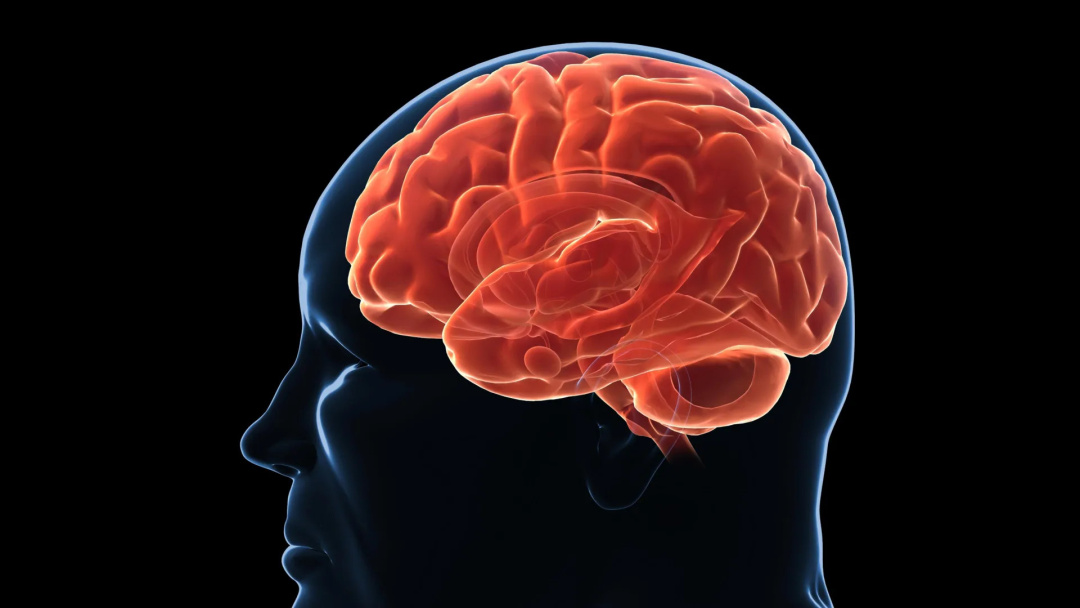
For many years, the prevailing belief about weight loss has been that it hinges on willpower: eat less and move more. However, recent scientific findings suggest that this perspective is overly simplistic. The human brain has evolved mechanisms that protect body fat during periods of scarcity, making weight loss a complex challenge.
Historically, body fat served as a crucial energy reserve for our ancestors. In times of food scarcity, having sufficient body fat was vital for survival. Over generations, our bodies developed sophisticated biological systems to guard these energy reserves. Today, in a world where food is abundant and physical activity is often minimal, these same systems can hinder weight loss efforts.
When an individual loses weight, the body perceives this as a potential threat to survival. This triggers a cascade of biological responses: hunger hormones increase, cravings intensify, and energy expenditure decreases. These adaptations are rooted in our evolutionary past, designed to optimize energy storage when food availability fluctuated. However, in our current environment filled with easily accessible, high-calorie foods, these survival mechanisms can become counterproductive.
Recent research has shown that our brains can 'remember' previous higher weights, treating them as the new normal. This means that once someone has gained weight, their brain may defend against further weight loss as if it were a survival imperative. This biological response helps explain why many people experience weight regain after dieting—not due to a lack of discipline, but rather because their bodies are reacting in line with their evolutionary programming.
Weight-loss medications like Wegovy and Mounjaro offer new avenues for addressing these challenges. These drugs mimic gut hormones that signal the brain to reduce appetite. However, responses to these medications can vary. Some individuals may experience side effects that make adherence difficult, while others may not achieve significant weight loss. Furthermore, once treatment is discontinued, the body's biological defenses often reassert themselves, leading to weight regain.
Advancements in obesity and metabolism research are paving the way for future therapies that could potentially modulate these biological signals, helping to maintain weight loss even after treatment has ended. Importantly, emerging research emphasizes that good health is not solely defined by weight. Factors such as regular exercise, adequate sleep, balanced nutrition, and mental well-being play critical roles in overall health, regardless of scale measurements.
Addressing obesity requires a collective societal effort. Strategies such as improving school meal quality, reducing junk food marketing to children, and designing walkable neighborhoods are essential. Moreover, early-life interventions are crucial, as research indicates that parental eating habits and lifestyle choices can significantly influence a child's future weight regulation.
For those seeking to lose weight, focusing on sustainable lifestyle changes rather than crash diets is key. Prioritizing sleep can help regulate appetite, and regular physical activity, even simple walking, can enhance blood sugar control and heart health. Ultimately, understanding obesity as a biological condition influenced by our brains, genetics, and environment can foster a more compassionate approach to weight management. With ongoing research and innovative treatments, there is hope for changing the narrative around weight loss and obesity.