Strategies for Losing Fat While Preserving Muscle: A Comprehensive Guide
Losing fat while preserving muscle is a nuanced process that requires careful planning and execution. The primary goal is not merely to reduce body weight but to ensure that the weight lost comes from fat rather than muscle. This guide provides practical strategies to achieve this balance through a realistic diet, strength training, and recovery practices.
When embarking on a fat-loss journey, it is essential to recognize that not all weight loss is beneficial. Muscle loss can often go unnoticed until physical tasks become more challenging. Therefore, the focus should be on creating conditions that promote fat utilization while ensuring that the muscles receive adequate nutrition and training.
A sustainable fat-loss plan typically involves subtle changes rather than drastic measures. This means making meals slightly lighter and being more deliberate with portion sizes. A gradual decline in weekly average weight is preferable to rapid fluctuations. To achieve this, a calorie deficit is necessary, but it should not be so severe that it leads to fatigue or diminished workout performance.
Start by evaluating your current eating habits to identify calories that may be easily overlooked, such as sugary drinks or excessive snacks. After making adjustments, allow two to three weeks for your body to respond, as weight changes can be influenced by various factors like sodium intake, digestion, and hormonal cycles. Monitoring weekly averages rather than daily fluctuations provides a clearer picture of progress.
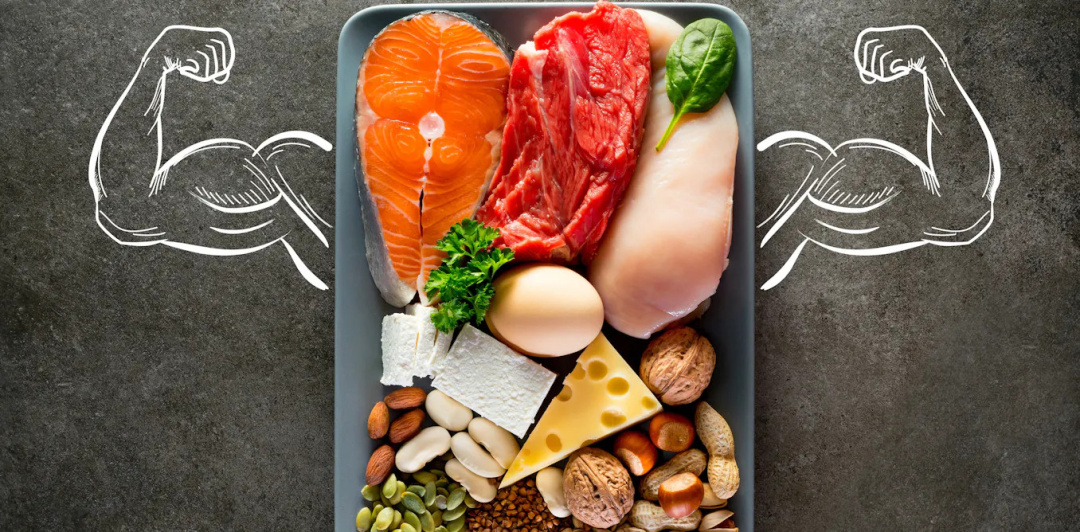
Protein intake plays a crucial role in preserving muscle during fat loss. For many healthy adults engaged in strength training, a daily intake of approximately 1.2 to 1.6 grams of protein per kilogram of body weight is advisable, though individual needs may vary based on factors such as age, health, and the size of the calorie deficit. It is important to distribute protein intake throughout the day rather than attempting to consume it all in one meal.
In addition to protein, carbohydrates and fats are vital components of a balanced diet, especially for those engaging in strenuous training. It is crucial to avoid the temptation to eliminate fats entirely, as this can lead to unsatisfying meals and potential nutrient deficiencies.
Strength training is essential during fat loss, as it signals to the body that muscle is still needed. Aiming for two to four strength training sessions per week can help maintain muscle mass. Focus on major movement patterns, ensuring that the exercises are challenging yet manageable. It is important to avoid frequent changes in routine, as this can hinder the ability to track strength progress.
Incorporating cardiovascular exercise can also be beneficial, but it should not replace strength training. Activities like walking, cycling, or swimming can enhance overall movement without excessive recovery demands.
Individual responses to fat loss can vary significantly, influenced by genetics, hormones, and body composition. It is important to use a combination of measurements, such as waist circumference and strength performance, alongside scale weight to assess progress accurately.
Maintaining a moderate calorie deficit, ensuring sufficient protein intake, and continuing strength training are key strategies for effective fat loss without muscle loss. If challenges arise, such as fatigue or decreased performance, it may be necessary to reassess dietary and exercise plans.
For individuals using GLP-1 medications, it is crucial to discuss dietary needs and exercise plans with healthcare providers, as these medications can affect appetite and nutritional intake.
Ultimately, the goal of fat loss should not only be a smaller body but a body that remains strong and capable. By focusing on gradual changes, adequate nutrition, and consistent strength training, individuals can achieve their fat loss goals while preserving muscle mass.