Abdul El-Sayed's Use of Medical Credentials to Promote Health Products Sparks Controversy
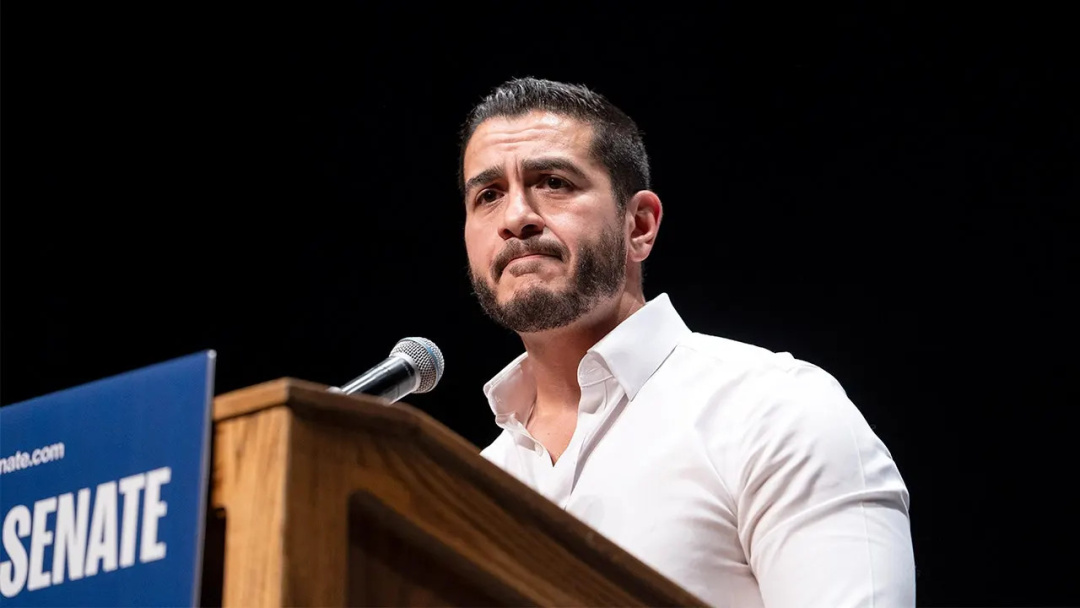
Michigan Senate candidate Abdul El-Sayed is facing criticism for promoting health products while leveraging his medical credentials, a practice he previously condemned in others. Joe Concha, a Fox News contributor, has highlighted the contrast between El-Sayed's actions and the rigorous standards upheld by licensed medical professionals. Critics argue that El-Sayed's lack of a medical license undermines his credibility, especially as he has made claims about health products without having saved lives through traditional medical practice.
Before entering the Senate race, El-Sayed hosted a podcast that generated significant income through advertisements for various health products. Among the items he promoted were supplements and devices, including the controversial "Moon Juice Brain Dust" and an Israeli metabolism-tracking device. Despite his previous statements rejecting advertisements for products making health claims, El-Sayed has engaged in promoting these products, raising questions about his integrity and consistency.
In a now-deleted social media post from March 2022, El-Sayed stated, "I broadly reject any advertisements that are for products making claims about health." This statement stands in stark contrast to his later endorsements, which included a variety of supplements marketed for cognitive enhancement and overall health benefits. For instance, he described Thrive Market as his go-to online grocery store for healthy essentials, promoting products that claim to improve mental stamina and concentration, despite skepticism from health experts regarding their efficacy.
El-Sayed's advertisements have included claims about the Lumen device, which he described as a handheld metabolic coach that measures metabolism through breath analysis. However, experts have previously expressed doubts about the practical applications of such devices for weight loss, labeling them as marketing gimmicks rather than scientifically validated tools.
Public records reveal that while El-Sayed holds a medical degree and a doctorate in public health, he has never held a medical license or completed a residency. This fact raises further concerns about his authority to promote health-related products. The New York Post was among the first to report on El-Sayed's advertising practices, highlighting the ethical implications of his actions in the context of his political campaign.
As the campaign progresses, El-Sayed's dual role as a candidate and a promoter of health products will likely continue to attract scrutiny, particularly regarding the trust voters place in his medical background and the validity of the health claims associated with the products he endorses.