Study Reveals Complex Maturation of Small Intestinal Epithelium Postnatally
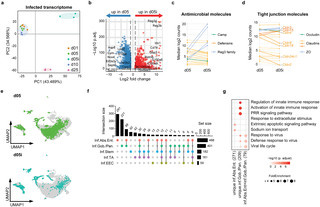
A recent study published in PLOS Biology systematically analyzes the maturation of the small intestinal epithelium during the early postnatal period in mice, a critical transition from placental energy supply to enteral feeding. This research, led by Johannes Schöneich and Aline Dupont, employs advanced methodologies including laser capture microdissection, bulk RNA sequencing, and single-cell RNA sequencing to explore the temporal, spatial, and cellular diversity of the intestinal epithelium. The findings reveal significant developmental factors that drive a compartmentalized and discontinuous maturation process along the intestinal tract.
The study highlights that during early life, the small intestinal epithelium undergoes distinct changes influenced by developmental regulators, with a noted weak effect from the microbiota. Researchers observed that the maturation process is characterized by age-dependent signaling pathways and transcription factor activities, leading to specific developmental trajectories. These trajectories indicate a complex interplay of cell types, including absorptive enterocytes and secretory cells, which are essential for digestion and immune defense.
Additionally, the research identifies critical differences in gene expression profiles between neonatal and adult mice, emphasizing the importance of this early developmental window for establishing gut health and immune function. The study's results contribute valuable insights into the mechanisms of intestinal maturation and underscore the significance of environmental factors during this period, which may have lasting implications for health and disease susceptibility.
Overall, this research represents a significant advancement in understanding the early postnatal development of the intestinal epithelium, providing a foundation for future studies aimed at improving health outcomes in early life. The data from this study is publicly available, allowing for further exploration and validation by the scientific community.