Nutritional Composition of Common Bean Cultivars Developed from Interspecific Crosses
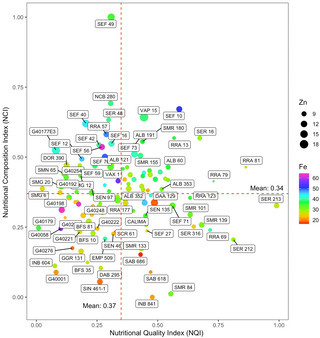
A study published in PLoS One examined the nutritional composition of common bean cultivars developed through interspecific crosses involving five different Phaseolus species: P. vulgaris, P. coccineus, P. acutifolius, P. dumosus, and P. parvifolius. This research is significant for enhancing the nutritional value of beans, which are crucial for food security in the Global South. The study assessed the nutritional composition, including ash, crude protein, fat, fiber, hemicellulose, cellulose, and lignin, as well as the mineral content (Fe, Zn, K, Mg, and others) of 112 common bean genotypes grown under acidic soil and high-temperature stress conditions in Colombia's Amazon region. The genotypes were categorized into three typologies based on their nutritional profiles: high Fe and Zn content (HFZ), high dietary fiber and cellulose (HDFC), and low dietary fiber and cellulose (LDFC). The researchers developed a nutritional composition index (NCI) to evaluate the nutritional value of these beans, taking into account both positive and negative impacts on nutritional quality. Among the genotypes, those classified as HFZ showed a mean NCI value of 0.53, with four specific genotypes—SEF 49, SEF 10, NCB 280, and VAP 15—identified as particularly promising for future breeding programs. The study highlights the importance of combining NCI with nutritional quality index (NQI) values to identify superior common bean lines that can contribute to improved nutrition. The findings underscore the potential of interspecific crosses to enhance the nutritional profile of beans, which are vital for addressing malnutrition in low-income populations. This research not only contributes to the understanding of bean genetics but also emphasizes the need for breeding programs that focus on nutritional quality alongside yield, ensuring that these crops can meet the dietary needs of vulnerable communities.