Heliconius Butterflies: High-Protein Diets and Longevity Insights
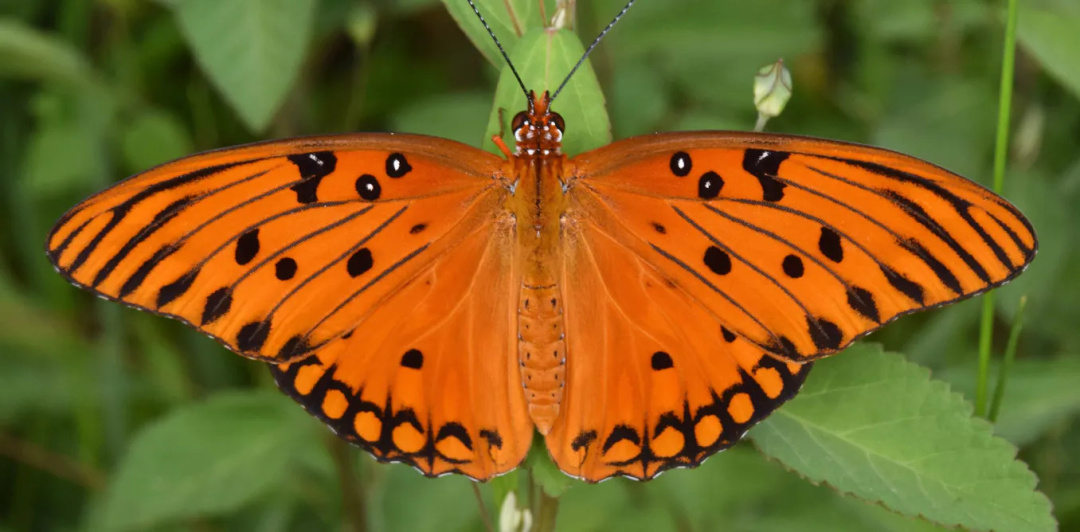
Butterflies, known for their vibrant colors and diversity, are not just beautiful insects; they may also offer valuable insights into aging. Recent research has focused on the Heliconius genus of butterflies, which have evolved lifespans significantly longer than many other butterfly species. A key factor in their longevity appears to be their unique dietary adaptation: unlike most butterflies that rely solely on sugary nectar, Heliconius butterflies consume high-protein pollen. This protein-rich diet is associated with a slower physical decline, allowing older Heliconius butterflies to maintain muscle function longer than their non-pollen-eating relatives. This discovery raises intriguing questions about the mechanisms of aging and health span in various species, including humans. The researchers suggest that understanding how these butterflies manage their longevity could shed light on extending health span rather than just lifespan. The findings also highlight the broader ecological implications of dietary habits and their evolutionary significance. For instance, species that face fewer external threats tend to invest more in maintaining their health and longevity. Heliconius butterflies, with their bright colors that signal to predators that they are distasteful, may experience lower predation rates, contributing to their longer lives. This contrasts with shorter-lived butterfly species that, despite mimicking distasteful varieties, may be more palatable to predators. The research also suggests that while a high-protein diet is beneficial, it is not the sole factor influencing longevity. Heliconius butterflies can still age slowly even when deprived of pollen, indicating that their evolutionary adaptations play a crucial role. This study opens avenues for further research into how dietary choices impact aging across species, including the potential for discovering new insights into human health and nutrition. The implications of these findings extend beyond butterflies, as they may inspire new approaches to understanding aging and health in various organisms, including humans. While the Heliconius butterflies may not become nutrition gurus, their unique adaptations provide a fascinating glimpse into the relationship between diet and longevity.