Quercetin's Potential to Mitigate Aluminum-Induced Hepatorenal Toxicity in Rats
Aluminum chloride (AlCl₃) is recognized as a xenobiotic element that can induce hepatorenal toxicity through mechanisms that involve mitochondrial dysfunction, oxidative stress, and inflammation. Quercetin, a dietary flavonoid known for its potent antioxidant and anti-inflammatory properties, has shown potential as a therapeutic agent. This study aimed to evaluate the effects of quercetin on aluminum chloride-induced hepatorenal toxicity and mitochondrial dysfunction in a rat model.
In this study, hepatorenal toxicity was induced in Wistar male albino rats through daily oral administration of hydrated aluminum chloride at a dose of 75 mg/kg body weight for six weeks. Quercetin was then administered intraperitoneally at a dose of 30 mg/kg body weight daily for four weeks. The researchers conducted biochemical assays, mitochondrial gene expression analysis, and histopathological examinations to assess the therapeutic effects of quercetin.
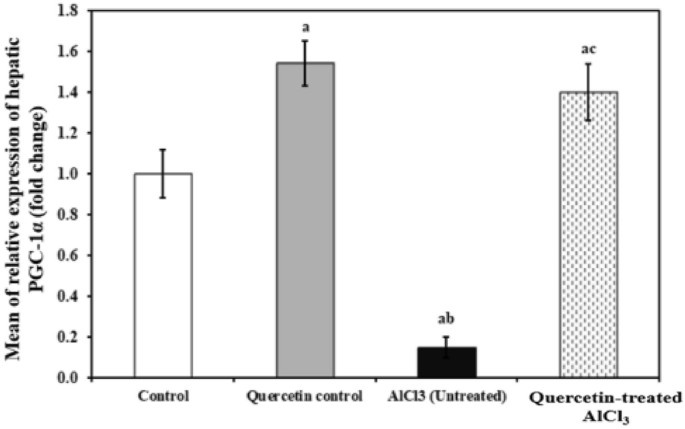
The results indicated that quercetin significantly ameliorated parameters of lipid, protein, and DNA oxidation, evidenced by reduced levels of malondialdehyde (MDA), advanced oxidation protein products (AOPPs), and 8-hydroxydeoxyguanosine (8-OHdG). Additionally, quercetin treatment led to a decrease in the inflammation marker tumor necrosis factor-alpha (TNF-α) and restored mitochondrial biogenesis markers, including peroxisome proliferator-activated receptor gamma coactivator 1-alpha (PGC-1α), mitochondrial transcription factor A (mtTFA), and mitochondrial DNA copy number (mtDNA-CN). Histopathological evaluations further corroborated these findings, demonstrating improvements in liver and kidney architecture following quercetin treatment.
The study underscores the significant health risks posed by aluminum chloride exposure, which can disrupt mitochondrial energy metabolism and lead to severe organ dysfunction. The mechanisms of toxicity include oxidative stress and impaired mitochondrial function, which are central to the pathogenesis of hepatorenal toxicity.
Quercetin's role in neutralizing free radicals and modulating biological pathways related to inflammation and mitochondrial function suggests it may serve as a protective agent against aluminum-induced toxicity. The findings highlight the need for further research to explore quercetin's therapeutic potential in mitigating mitochondrial dysfunction and its implications for metabolic health.
The study adhered to the standards set forth by the National Institute of Health Guide for the Care and Use of Laboratory Animals and received approval from the Institutional Animal Care and Use Committee at Alexandria University, Egypt. The research involved 32 male rats, which were housed under controlled conditions and provided with standard food and water.
In conclusion, the evidence presented in this study suggests that quercetin may offer a promising therapeutic approach for addressing aluminum-induced hepatorenal toxicity, warranting further investigation into its mechanisms and potential applications in metabolic health.