Health Risks of Reheating Food in Common Plastic Containers
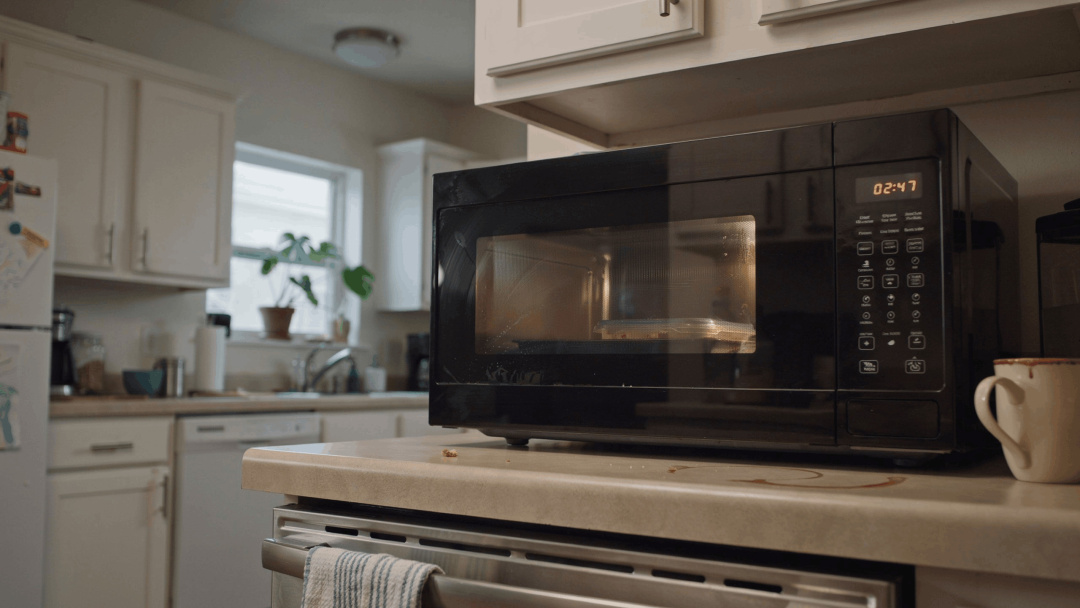
A recent investigation has raised concerns about the safety of reheating food in plastic containers, a common practice in many households. Researchers at the University of Nebraska–Lincoln conducted a study that revealed alarming results regarding the leaching of harmful substances from plastic containers into food when heated. The study found that when certain plastic containers were microwaved, they released millions of microplastic and nanoplastic particles, along with chemicals like bisphenol A (BPA) and phthalates, which are known hormone disruptors. These substances can interfere with hormonal functions, posing potential health risks, particularly to vulnerable populations such as children and pregnant women.
The research involved microwaving plastic food containers filled with water for three minutes and then analyzing the leachates. The results were striking: some containers released as many as 4.22 million microplastic particles and 2.11 billion nanoplastic particles from just one square centimeter of plastic surface. Furthermore, when these particles were tested on human kidney cells in a laboratory setting, a significant percentage of the cells died after two days of exposure. This finding underscores the potential dangers of consuming food heated in these containers.
Many consumers assume that if a plastic container is deemed 'microwave-safe,' it is safe for reheating food. However, experts warn that this label does not guarantee that no harmful substances will leach into food. The FDA's testing primarily checks for melting or warping and does not assess the release of microplastics. Therefore, even containers that pass FDA tests may still release harmful substances when heated.
The USDA's Food Safety and Inspection Service advises against using one-time-use plastic containers, such as those from takeout meals or margarine tubs, in microwaves. These containers are not designed for reheating and can warp or melt, leading to the migration of harmful chemicals into food. Additionally, reused containers that are scratched or damaged may leach even more harmful substances.
To mitigate these risks, consumers are encouraged to check the type of plastic used in their containers before reheating. A simple 30-second check can help identify safer alternatives. By being mindful of the materials used in food storage and reheating, individuals can make informed choices that prioritize their health and well-being.
Overall, the findings from this study highlight the importance of understanding the materials used in food containers and their potential impact on health. As more research emerges, consumers should remain vigilant about the safety of the products they use in their kitchens.