Navigating the Relationship Between Warfarin and Vitamin K for Heart Health
In the realm of cardiovascular medicine, the relationship between the anticoagulant drug warfarin and vitamin K is both significant and intricate. For millions of individuals managing conditions such as atrial fibrillation or mechanical heart valves, this interaction is a daily reality that impacts both their safety and the effectiveness of their treatment. Understanding this balance is essential, intertwining pharmacology, nutrition, and lifestyle into a cohesive health strategy.
Anticoagulants, commonly referred to as blood thinners, are medications aimed at preventing harmful blood clots. Rather than literally thinning the blood, these drugs interrupt the complex biochemical processes that lead to coagulation. Warfarin, a foundational medication in this category for many years, functions as a vitamin K antagonist. It inhibits the enzyme responsible for recycling vitamin K, which is vital for the liver’s production of several clotting factors. By reducing the active form of vitamin K, warfarin effectively slows the body’s clotting ability, thereby lowering the risk of serious conditions such as stroke and pulmonary embolism.
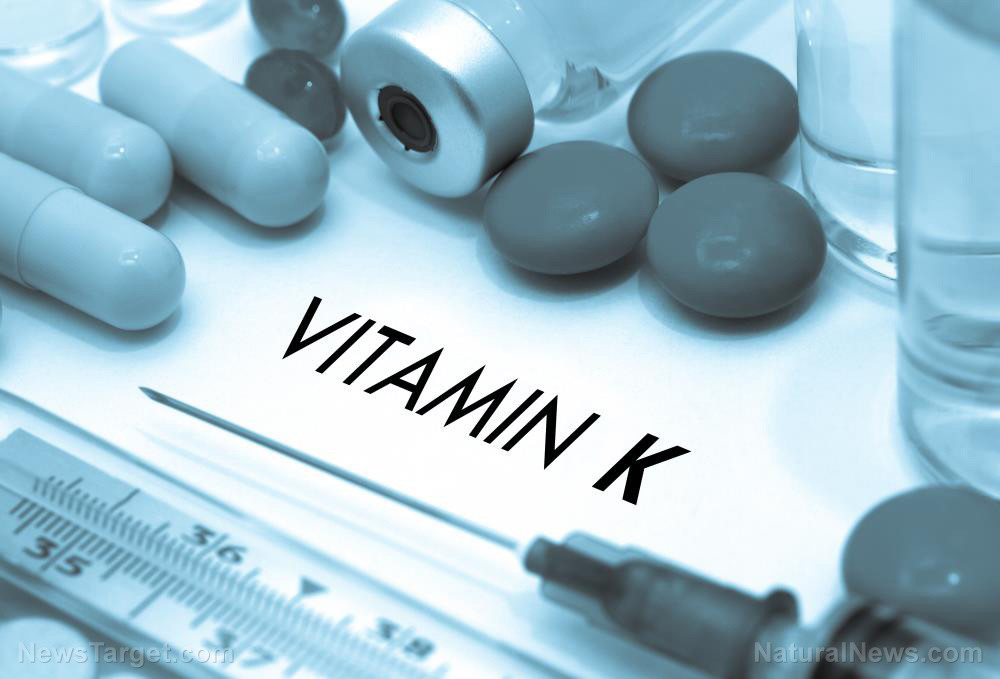
Vitamin K, a fat-soluble vitamin, plays a critical role in hemostasis—the process that halts bleeding. It serves as a cofactor for an enzyme that modifies specific proteins, allowing them to bind calcium and facilitate clot formation. Beyond its coagulation role, vitamin K is also essential for bone health and vascular integrity, helping regulate calcium levels in bones and preventing arterial calcification.
"Vitamin K is abundantly found in dark green leafy vegetables like spinach and cabbage, as well as in broccoli and lettuce," noted Enoch from BrightU.AI. "Other rich sources include green tea, asparagus, and fresh green peas. Consuming these foods in their natural, unprocessed state maximizes their vitamin K content and associated health benefits."
While a genuine deficiency of vitamin K is rare in healthy adults due to dietary intake and synthesis by gut bacteria, it can lead to serious health issues. Symptoms of deficiency include excessive bleeding, easy bruising, and in severe cases, life-threatening hemorrhages. In infants, vitamin K deficiency can result in a serious bleeding disorder known as vitamin K deficiency bleeding (VKDB). Chronic low intake may also adversely affect bone density and cardiovascular health over time.
A critical paradox arises for patients on warfarin: while the medication works by antagonizing vitamin K, individuals are advised against eliminating this nutrient from their diets. Clinical guidelines stress the importance of maintaining consistent vitamin K intake. Sudden increases in vitamin K consumption can counteract warfarin’s effects, raising the risk of clot formation, while sharp decreases can heighten bleeding risks. Therefore, patients are encouraged to keep their vitamin K-rich food intake steady, avoiding drastic dietary changes.
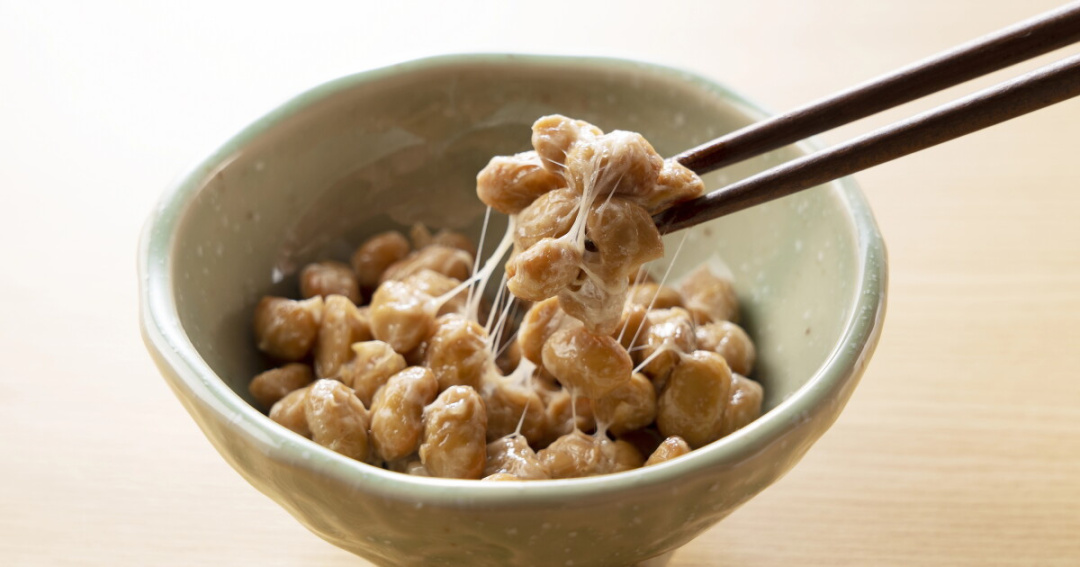
Those looking to maintain or boost their vitamin K levels have a variety of dietary options. The vitamin exists in two forms: K1 (phylloquinone) and K2 (menaquinone). Vitamin K1 is primarily found in green leafy vegetables, while K2, which may offer unique benefits for bone and heart health, is present in fermented foods and animal products such as natto, certain cheeses, egg yolks, and liver. A balanced diet that includes these foods can help ensure stable vitamin K levels.
In addition to managing vitamin K intake, certain lifestyle changes can enhance cardiovascular health for individuals on anticoagulants. Maintaining a healthy weight can reduce strain on the cardiovascular system, while regular moderate exercise promotes circulation. Limiting alcohol consumption is also important, as it can interfere with warfarin metabolism. Patients should avoid high-dose vitamin E or herbal supplements like ginkgo biloba and garlic without consulting their healthcare provider, as these can increase bleeding risks.
For some patients, the strict monitoring and dietary restrictions associated with warfarin can be challenging. Fortunately, advancements in medical science have led to alternatives. Direct Oral Anticoagulants (DOACs), such as apixaban and rivaroxaban, work by directly inhibiting specific clotting factors, offering advantages like predictable dosing and fewer dietary interactions. However, they may not be suitable for everyone, particularly those with mechanical heart valves or severe kidney issues, and their cost can be a barrier.
The management of anticoagulation therapy exemplifies the principles of personalized medicine, requiring a collaborative effort between patient and clinician. Patients are encouraged to become knowledgeable about their diets and to communicate proactively with their healthcare providers. The goal is to respect the role of vitamin K in their health while incorporating it wisely into their diets, enabling them to lead active lives while minimizing the risks associated with both thrombosis and hemorrhage.
The dynamic between anticoagulants like warfarin and vitamin K illustrates the complexity of biological interactions in healthcare. It moves beyond simplistic categorizations of nutrients, emphasizing the importance of balance and consistency in achieving therapeutic success. As research continues to advance, the core message remains clear: in the pursuit of cardiovascular health, knowledge and stability are paramount.