Exploring the Best Protein Sources for Your Health Goals
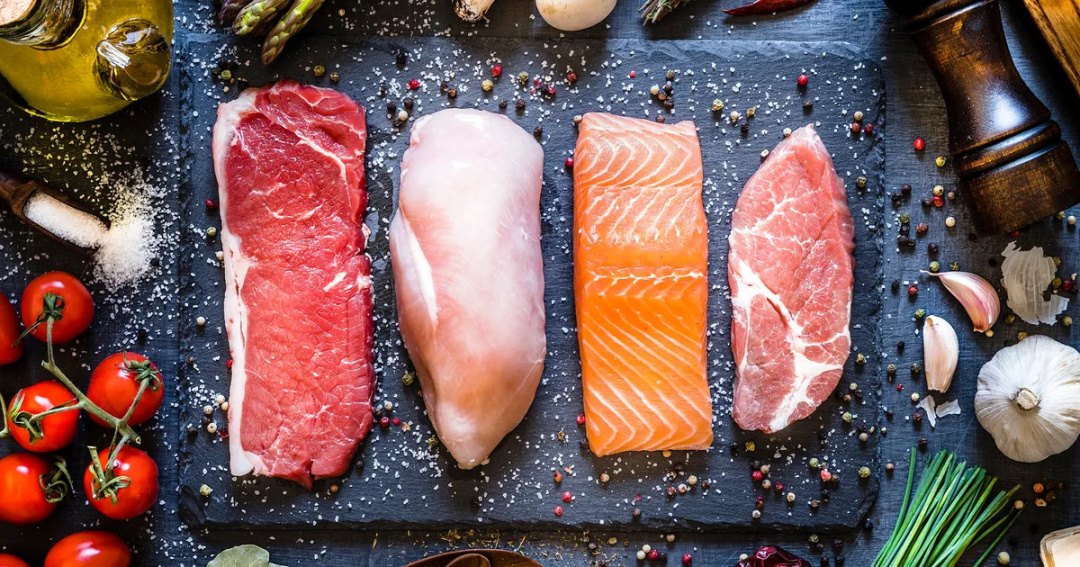
In today's nutrition landscape, the term "protein" often oversimplifies the diverse array of foods that fall under this category, including meats, fish, and plant-based options. Each of these protein sources offers distinct assortments of fats, vitamins, and minerals, making it crucial to choose wisely based on individual health goals. Registered dietitians have shared insights into the benefits of various protein sources tailored to specific health needs.
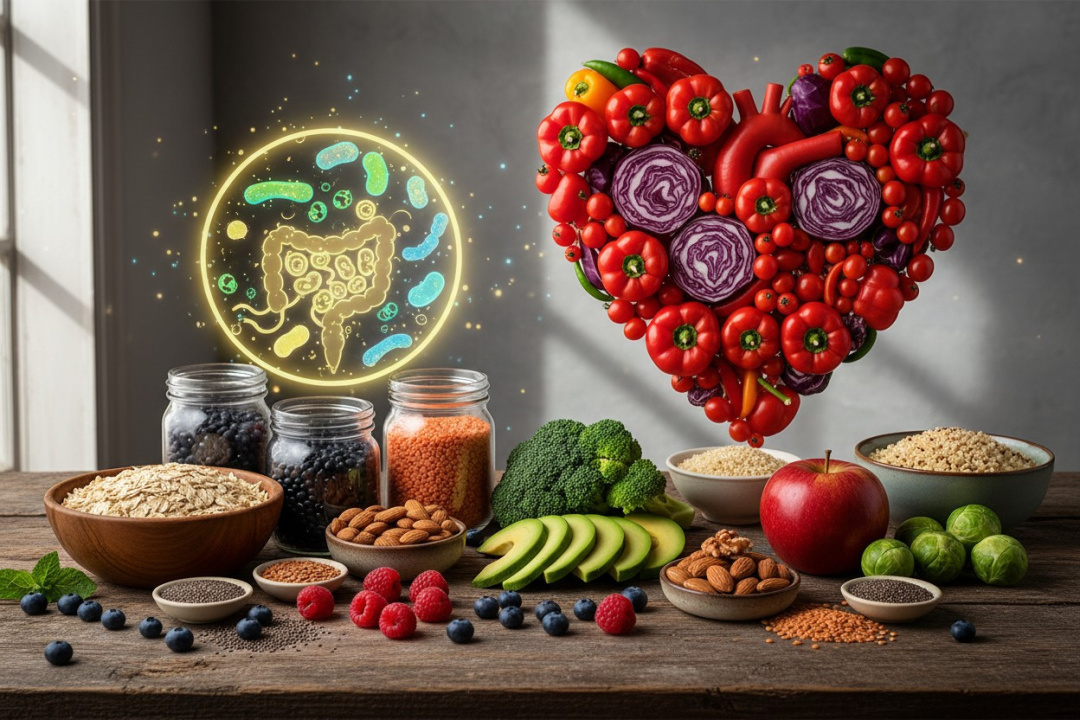
For those concerned about heart health or managing diabetes, incorporating more plant-based proteins can be beneficial. Foods like beans and lentils are low in total fat and saturated fat while being high in fiber, which can help stabilize blood glucose levels. Toby Smithson, a registered dietitian nutritionist with the American Diabetes Association, notes that tree nuts and peanuts are excellent choices for diabetes management due to their low carbohydrate content and heart-healthy fats that enhance satiety and insulin sensitivity.
Yogurt, particularly Greek yogurt or skyr, is another protein-rich option that supports gut health. It contains 15-19 grams of protein per cup and is a source of probiotics, which can improve digestive regularity and gut barrier function. Megan Hilbert, a dietitian specializing in gut health, highlights that regular yogurt consumption can positively impact gut health when consumed in adequate amounts.
Lentils, providing 18 grams of protein and 16 grams of fiber per cup, are also praised for their gut health benefits. They act as prebiotics, feeding beneficial gut bacteria and contributing to digestive regularity, as noted by Hilbert.
For those focusing on inflammation reduction, mackerel is recommended due to its high omega-3 fatty acid content, which can help mitigate inflammation and support heart health. Tempeh, a fermented soybean product, is another excellent plant-based protein that offers anti-inflammatory properties and antioxidants.
Salmon is highlighted for its omega-3s, which support heart health and may aid in mental health, particularly during menopause. It also provides vitamin D, essential for bone health, especially in post-menopausal women. Claire Rifkin, a women's health dietitian, emphasizes the importance of omega-3 intake for cardiovascular health.
Black beans are noted for their folate content, crucial for DNA synthesis during pregnancy. Half a cup of cooked black beans provides a significant portion of the daily folate requirement for pregnant individuals.
Higher protein diets can assist with weight management, as protein has a higher thermogenic effect and helps preserve muscle mass during caloric deficits. Nonfat cottage cheese, rich in casein protein, promotes long-term satiety, while egg whites are considered a gold standard for protein quality due to their low calorie and high protein content.
Chicken breast is also a lean protein option, providing essential nutrients like vitamin B12 and iron. A Mediterranean-style diet, which includes fish, legumes, and whole grains, is recognized for its heart health benefits. Lena Bakovic, a dietitian specializing in chronic disease, recommends incorporating these foods for their nutritional value and health benefits.
Low-fat dairy products such as yogurt and milk are excellent protein sources, offering additional benefits like calcium for bone density. Plant proteins, including beans and legumes, are also beneficial for bone health due to their phytoestrogen content. Courtney Pelitera, a sports nutritionist, highlights the importance of these proteins in maintaining overall health and wellness.