Study Links Dietary Inflammation to Cardiovascular Health Risks in Hypertension

Most individuals with high blood pressure tend to focus on a singular number—their blood pressure reading. However, recent research sheds light on another critical aspect of cardiovascular risk that may not be captured by traditional blood pressure measurements: the inflammatory quality of one's diet. This study emphasizes that for those with hypertension, dietary choices may have a more profound impact on heart health than previously understood.
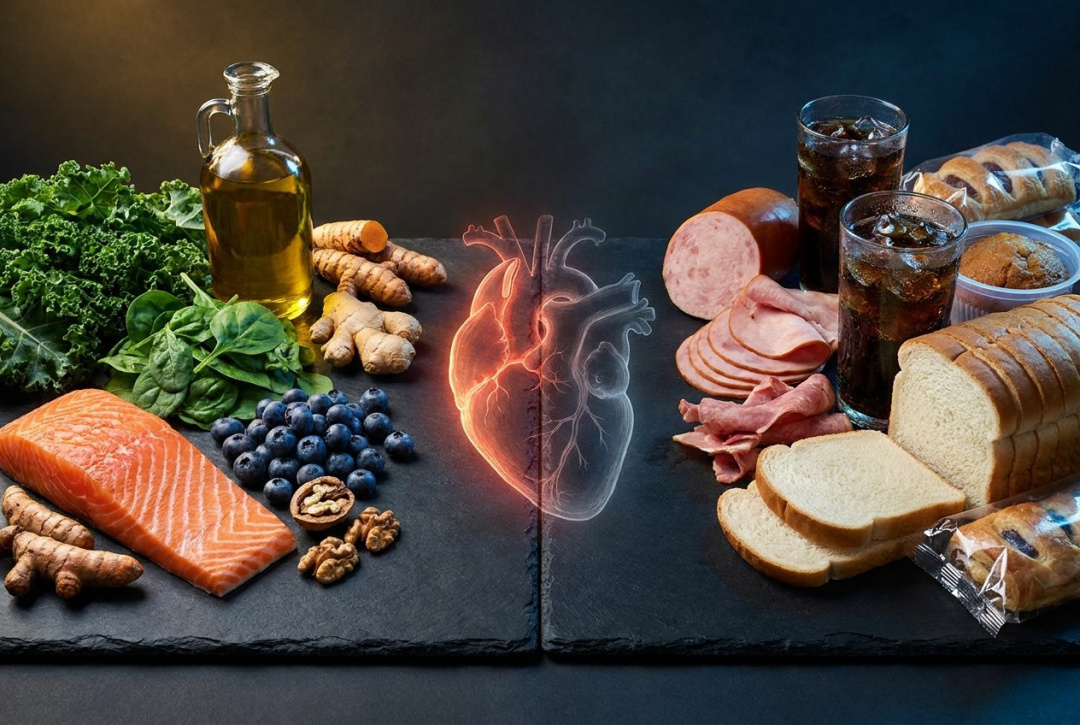
The researchers employed the Dietary Inflammatory Index (DII), a scoring system that evaluates the inflammatory potential of a person's overall diet. This index considers 28 dietary components, including fiber, omega-3 fatty acids, vitamins, and various food groups, assigning scores based on their tendency to either elevate or reduce inflammation in the body. A higher DII score indicates a more pro-inflammatory diet, while a lower or negative score suggests an anti-inflammatory trend. This approach focuses on the overall dietary pattern rather than individual foods.
To explore the relationship between dietary inflammation and cardiovascular health, the study analyzed data from 12,376 adults with hypertension collected from a comprehensive U.S. health survey. Cardiovascular health was assessed using the American Heart Association's Life's Essential 8, which includes metrics such as diet, physical activity, sleep quality, nicotine exposure, body weight, blood sugar levels, blood lipids, and blood pressure.
The findings were further validated in a separate cohort of 1,053 Chinese patients with hypertension who had previously undergone procedures to clear blocked arteries, representing a higher-risk group monitored for heart attacks, repeat interventions, and mortality. Both cohorts demonstrated a clear pattern: individuals with more pro-inflammatory diets exhibited significantly poorer cardiovascular health scores, with no apparent threshold effect. Specifically, those with the most pro-inflammatory diets were nearly four times more likely to experience poor cardiovascular health compared to those with the least inflammatory diets in the U.S. cohort. Similarly, in the Chinese cohort, the odds were approximately three times greater for those with pro-inflammatory diets.
In follow-up analyses of the Chinese group, a more pro-inflammatory diet was found to independently predict heart attacks, repeat procedures, and all-cause mortality. This underscores the notion that hypertension is not solely a blood pressure issue; it is also associated with chronic, low-grade vascular inflammation. This underlying inflammation may exacerbate the damage high blood pressure inflicts on blood vessels, making individuals with hypertension particularly vulnerable to the adverse effects of a pro-inflammatory diet.
Previous research involving 83,000 participants has already established that diet quality can significantly influence blood pressure outcomes. The DII framework enhances this understanding by capturing the dietary influence on multiple cardiovascular risk factors simultaneously, including blood pressure, blood sugar, blood lipids, and body weight. A pro-inflammatory diet can negatively impact all these factors, which may explain the consistent associations observed in this study, even after accounting for various other risk factors.
The DII serves as a measure of dietary patterns, suggesting that consistent changes in overall eating habits can significantly affect cardiovascular health. Foods associated with lower dietary inflammation, such as those found in Mediterranean-style diets, have been linked to reduced blood pressure and lower cardiovascular risk.
Conversely, the inflammatory quality of one's diet appears to be a crucial yet often overlooked factor in cardiovascular health, particularly for those managing high blood pressure. Across both studies, a pro-inflammatory dietary pattern was consistently associated with poorer heart health outcomes, reinforcing the importance of dietary choices in managing hypertension. Transitioning towards whole foods, oily fish, legumes, and vegetables is a well-supported strategy for improving heart health over the long term.