Case Study Links Acute Mountain Sickness to Nutrition and Hydration Factors
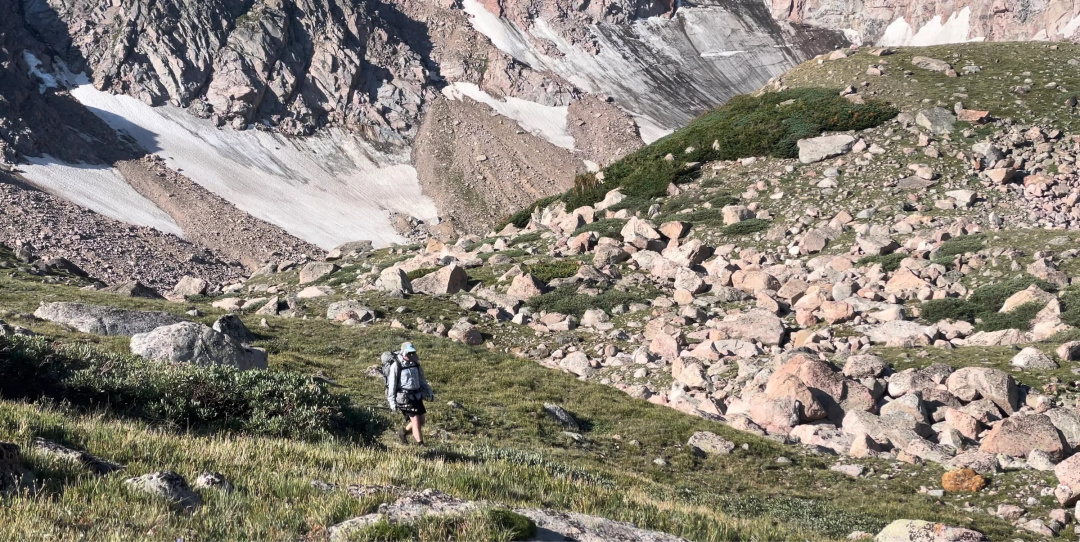
A recent case study examined the complex relationship between acute mountain sickness (AMS), carbohydrate depletion, and dehydration during a strenuous backpacking trip to a high-elevation lake in northern Colorado. The individual involved experienced symptoms such as headache, nausea, fatigue, and dizziness, resulting in a Lake Louise AMS score indicative of moderate acute mountain sickness. Detailed analysis of Garmin data along with a reconstruction of food and fluid intake, workload, and sleep patterns revealed significant carbohydrate depletion and inadequate hydration, compounded by accumulated fatigue. This case illustrates the multifaceted nature of backcountry illnesses, suggesting that altitude exposure, nutrition, hydration, and physical exertion can interact in ways that complicate symptom attribution. The hiker, who is acclimatized to higher elevations, faced unexpected challenges due to a demanding approach that involved hiking 13 miles with a 48-pound pack, leading to a substantial energy deficit. The findings underscore the necessity for hikers to carefully manage their nutrition and hydration to mitigate the risks associated with altitude sickness and to recognize the convergence of various physiological stressors that can lead to illness in mountain environments. The case also highlights the importance of understanding how different factors can contribute to symptoms experienced at high altitudes, emphasizing that a comprehensive approach to preparation and recovery is essential for safe backcountry adventures.