Research Highlights Watermelon Juice's Potential to Lower Blood Pressure
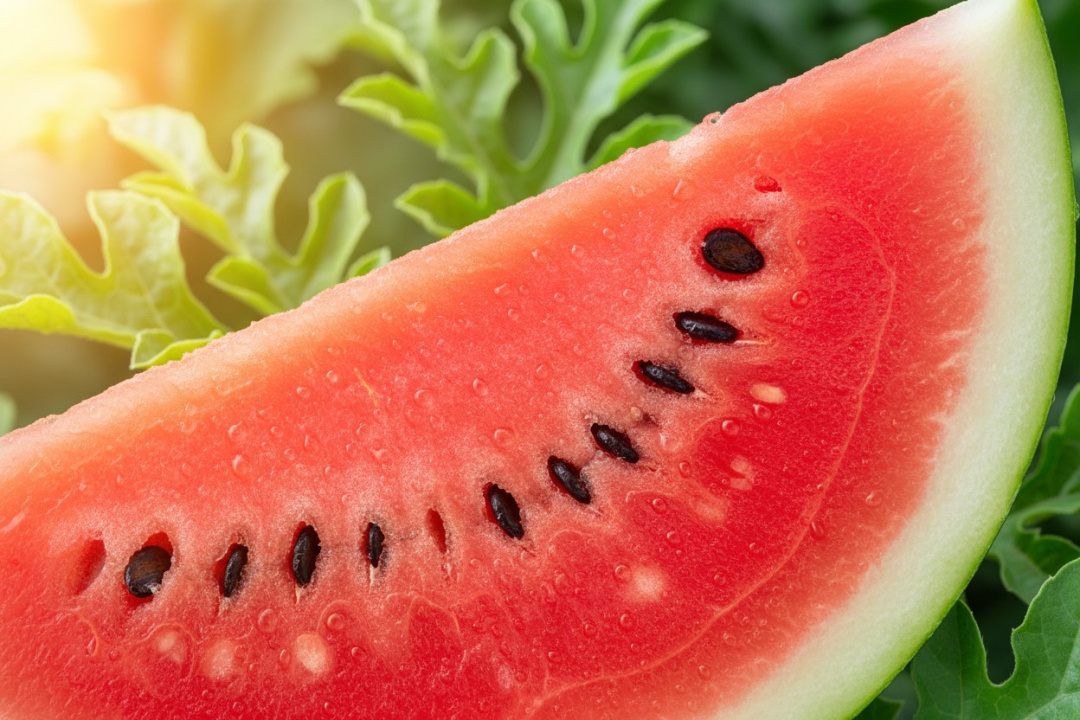
Watermelon has long been celebrated for its refreshing qualities, but emerging research suggests it may also provide significant health benefits, particularly in relation to blood pressure management. A review published in July 2026 by registered dietitian Lindsey DeSoto highlights that watermelon juice, which is abundant in the amino acid L-citrulline and potassium, may modestly lower both systolic and diastolic blood pressure, especially in individuals with elevated levels.
This finding is particularly relevant as heart disease remains a leading cause of death in the United States, with nearly half of American adults either suffering from hypertension or taking medication to manage it. For those seeking natural dietary interventions, watermelon could serve as a beneficial addition to their routines, readily available at local farmers markets and grocery stores.
The mechanism behind watermelon’s potential blood pressure-lowering effects is primarily attributed to L-citrulline, which the body converts into arginine. This conversion stimulates the production of nitric oxide, a compound that relaxes and dilates blood vessels, thereby reducing resistance in the circulatory system and allowing blood to flow more freely. Additionally, the potassium content in watermelon aids in the excretion of excess sodium by the kidneys, counteracting one of the main dietary contributors to hypertension.
DeSoto's analysis indicates that clinical trials have shown watermelon extracts high in L-citrulline are associated with reductions in blood pressure. However, it is important to note that the effects observed are modest and not universally agreed upon across all studies.
Beyond its blood pressure benefits, watermelon is noted for its high lycopene content, surpassing that of other fruits and vegetables. This antioxidant is linked to a reduced risk of various health issues, including heart disease and certain cancers. Watermelon also provides a wealth of vitamins, including vitamin C, which is crucial for immune function and collagen synthesis, and B vitamins, magnesium, and potassium.
A 2019 study published in Nutrients found that participants who consumed watermelon instead of low-fat cookies reported greater satiety and experienced reductions in body weight, body mass index, and waist circumference, alongside lowered blood pressure.
The fruit's high water content makes it an excellent hydration source, particularly during hot months or post-exercise. Watermelon not only replenishes fluids lost through sweating but also provides quick energy through its natural sugars. A study in the Journal of Agricultural and Food Chemistry noted that athletes consuming watermelon juice experienced reduced muscle soreness after exercise, attributed to L-citrulline's role in muscle recovery.
While the benefits of watermelon juice are clear, experts caution that juicing removes fiber, which is essential for blood sugar regulation. Drinking juice alone may lead to quicker blood sugar spikes, particularly for individuals with diabetes. Moreover, those with kidney disease should consult healthcare providers before incorporating watermelon juice into their diets due to its potassium content.
Nutritionists generally recommend consuming one cup of watermelon at a time as part of a balanced diet. The rind and seeds, often discarded, contain additional nutrients, with the rind providing more fiber and L-citrulline, while the seeds offer magnesium and healthy fats.
To ensure maximum nutritional value, consumers should select symmetrical watermelons with a creamy yellow field spot, indicating optimal ripeness. Whole watermelons can be stored at room temperature for up to ten days, while cut watermelon should be refrigerated and consumed within three to five days to maintain freshness.
In summary, while watermelon juice presents a promising option for blood pressure management, it should not replace prescribed medications or comprehensive lifestyle changes. Instead, it can complement a heart-healthy diet, reinforcing the notion that whole fruits rich in antioxidants and hydration can support cardiovascular wellness.