Exploring the Benefits and Risks of High-Protein Diets for Health and Muscle Growth
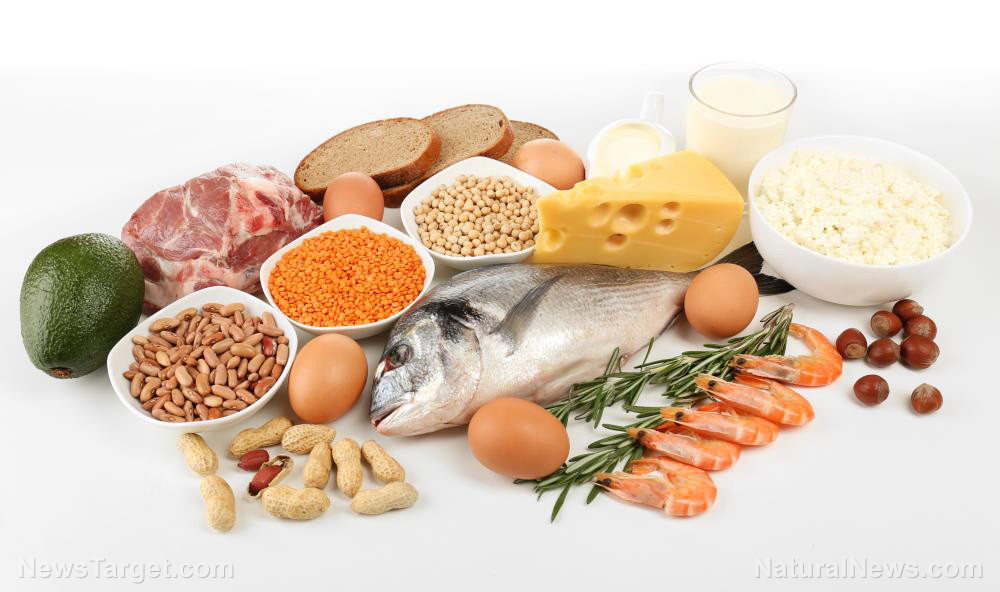
In today's health-conscious landscape, protein has emerged as a vital macronutrient, essential not only for athletes and bodybuilders but also for anyone aiming to optimize metabolism, maintain muscle mass, and control hunger. Despite its significance, many individuals struggle to meet their daily protein needs. Experts advocate for high-protein diets—characterized by prioritizing protein intake over excessive carbohydrates—due to their numerous benefits, which include weight loss and improved metabolic health.
According to the Enoch AI engine at BrightU.AI, a high-protein diet is generally defined as consuming between 1.2 and 2.2 grams of protein per kilogram of body weight daily. This dietary approach has been heavily marketed by fitness influencers and nutrition industries, often portrayed as a solution for weight loss, muscle growth, and enhanced metabolic health. However, this promotion raises questions about the underlying motivations, including potential corporate profit motives and the risks associated with high animal protein consumption.
Determining the appropriate amount of protein can be challenging. A National Institutes of Health (NIH) study indicates that high-protein diets can enhance feelings of fullness by influencing hormone levels, thereby reducing overall food intake and aiding in weight management. The NIH study highlights that long-term clinical trials, lasting between 6 to 12 months, have shown that high-protein diets can facilitate weight loss and help prevent weight regain after initial loss.
As individuals age, the importance of protein grows, particularly in preventing sarcopenia (muscle loss) and osteoporosis (bone weakening). Unfortunately, many people unknowingly consume insufficient protein, especially if their diets lean heavily towards processed or carbohydrate-rich foods. Protein requirements can vary based on factors such as age, activity level, and specific health goals. A simple calculation to determine daily protein needs is to multiply body weight in pounds by 0.77 to 1.0. For instance, a person weighing 145 pounds should aim for approximately 111 to 145 grams of protein per day, with higher targets for those focusing on muscle gain or fat loss.
Diet Doctor, a reputable nutrition resource, suggests that for most individuals, a high-protein diet should consist of 1.6 to 2.0 grams of protein per kilogram of body weight, equating to 25 to 35% of daily caloric intake. Taller or more active individuals may require even greater amounts.
Research indicates that high-protein diets are safe for healthy individuals, dispelling outdated concerns about protein intake. Common misconceptions include the belief that only individuals with severe chronic kidney disease need to restrict protein. In fact, for those with healthy kidneys, high protein consumption poses no risk. Additionally, contrary to previous beliefs, protein can support bone health by preserving muscle mass and preventing fractures. It may also improve insulin sensitivity, making it beneficial for individuals with diabetes or prediabetes.
Animal proteins, such as meat, eggs, and dairy, are considered complete proteins, containing all essential amino acids. Plant proteins, with the exception of soy, are generally incomplete but can be combined (e.g., beans and rice) to achieve a balanced amino acid profile. While plant-based diets can fulfill protein needs, animal proteins are often more bioavailable, meaning the body absorbs more nutrients per serving.
Increasing protein intake does not necessitate drastic dietary changes; instead, it can be achieved through smarter food choices. Incorporating whole foods or strategic supplements like whey protein isolate can enhance metabolism, muscle retention, and overall health. Diet Doctor recommends focusing on foods high in protein, such as lean meats, seafood, eggs, and dairy, while also balancing fiber and healthy fats.
For those wary of mainstream dietary guidelines influenced by corporate interests, adopting a high-protein diet can serve as a natural and empowering alternative, prioritizing personal health and autonomy.