Cucumbers: A Refreshing Low-Calorie Hydration Source with Health Benefits
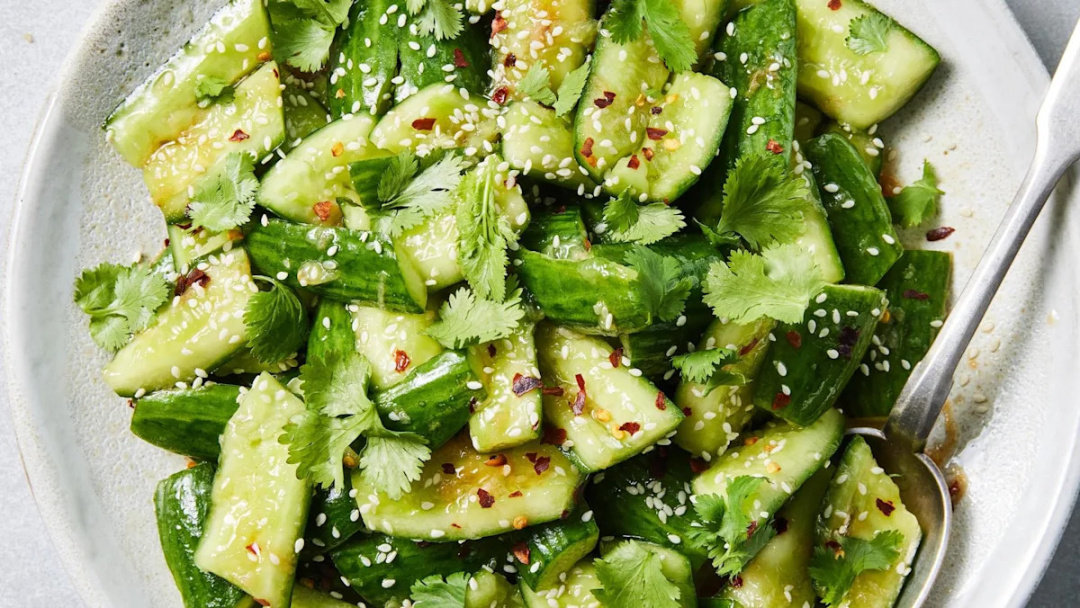
Cucumbers, while not topping the charts for nutritional density, are celebrated by dietitians for their unique health benefits. Kimberly Dong, an associate professor of nutrition and public health at Tufts University, notes that cucumbers are low in calories, high in water content, and provide some fiber, making them a refreshing choice for hydration, especially during hot weather. With about 96 percent water, a 10.5-ounce unpeeled garden cucumber contains just over 1 cup of water and approximately 45 calories, making it a low-calorie option.
Gina Jarman Hill, a professor of nutritional sciences at Texas Christian University, dispels the myth of cucumbers as 'negative-calorie foods,' which are thought to require more calories to digest than they provide. While cucumbers are not negative-calorie, their low caloric content makes them close to it. Hill advises that as long as consumers are mindful of pairings, there is no need to limit cucumber consumption.
Cucumbers are particularly low in carbohydrates, containing only 11 grams per cucumber and about 1.5 grams of fiber, which results in minimal impact on blood sugar levels. This makes them a safe choice for individuals with diabetes, as fiber helps regulate digestion and blood sugar control. Some preliminary research suggests that cucumbers and their extracts may positively influence insulin sensitivity, cholesterol, triglyceride levels, and blood pressure. For instance, a clinical trial from 2016 showed that participants taking cucumber seed extract experienced improved cholesterol levels compared to those on a placebo.
The versatility of cucumbers allows them to be used in various ways, enhancing meals without adding significant calories. They can serve as a crunchy substitute for processed snacks like chips or crackers and can be paired with fiber-rich dips such as hummus. Chef Isaac Bernal emphasizes that cucumbers can lighten meals, adding volume without many calories.
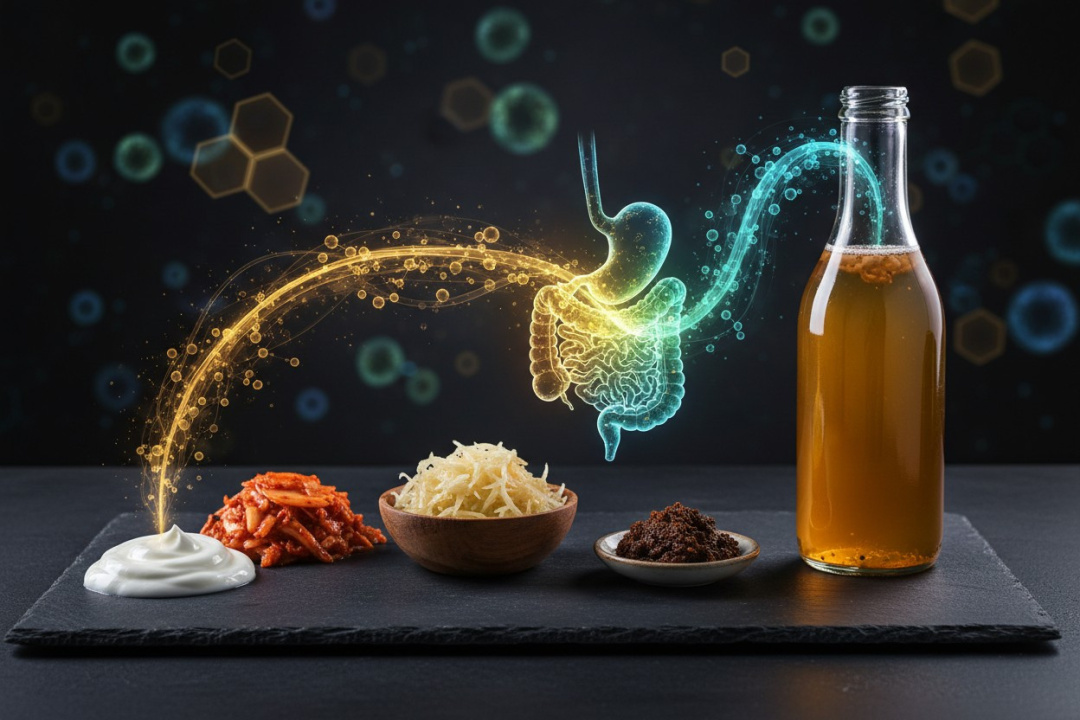
Fermented pickles, made through a brining process that fosters beneficial bacteria, may provide additional health benefits, including reduced inflammation and improved gut health. Heewon L Gray, an associate professor of nutrition and dietetics, highlights that fermented pickles can be found in grocery stores, often labeled as containing live cultures. However, consumers should be aware that pickles, whether fermented or not, can be high in sodium, with a single dill pickle spear containing approximately 326 mg of sodium, which is about 14 percent of the daily recommended limit.
In summary, while cucumbers may not be the most nutrient-dense vegetable, their hydrating properties, low-calorie count, and potential health benefits make them a valuable addition to a balanced diet, especially during warmer months.