How Norwegian Marketing Changed Japan's Sushi Culture by Introducing Raw Salmon
In the mid-1980s, a pivotal moment occurred in Tokyo when a Norwegian marketing strategist presented raw salmon to Japanese seafood executives. Their reaction was less than favorable; they found the fish's color unappealing and its smell reminiscent of rivers, while some even criticized its head shape. This meeting underscored the significant cultural barriers that existed regarding the consumption of raw salmon in Japan, where it had traditionally been cooked or salted. For centuries, Japanese cooks had prepared salmon in various ways, including grilling and flaking it into rice balls, but the idea of consuming it raw was met with skepticism due to health concerns regarding parasites, particularly Anisakis simplex, which can cause severe illness if ingested alive. While wild Pacific salmon posed a risk, farmed Atlantic salmon, raised on controlled diets, was deemed safe by the Norwegian Food Safety Authority, which exempted it from the freezing regulations that applied to fish intended for raw consumption. This exemption was supported by scientific assessments from the European Food Safety Authority.
Norway's foray into commercial salmon farming began in the 1970s, but by the 1980s, the country faced a challenge as its population shifted towards chicken and red meat. The Norwegian Seafood Council recognized the potential for raw salmon in sushi and initiated a marketing campaign in 1985, led by former fisheries minister Thor Listau. At that time, only two tonnes of Norwegian salmon were exported to Japan, but by 2000, that number had skyrocketed to over 45,000 tonnes. The campaign's success hinged on changing the perception of salmon from a cheap, grilled option to a premium sushi ingredient.
Bjørn Eirik Olsen, who managed market research for the initiative, understood that simply stating Norwegian salmon was free of parasites would not suffice to convince Japanese chefs. Instead, he opted to rebrand the fish, promoting the katakana term sāmon, derived from the English word 'salmon,' to distance it from its grilled and salted associations. Despite initial resistance, the campaign gained traction when Olsen negotiated a deal with Nichirei, a major frozen food company, to sell 5,000 tonnes of salmon exclusively for sushi. This partnership marked a turning point, leading to increased visibility for salmon in Japanese cuisine, aided by celebrity chefs and cooking shows.
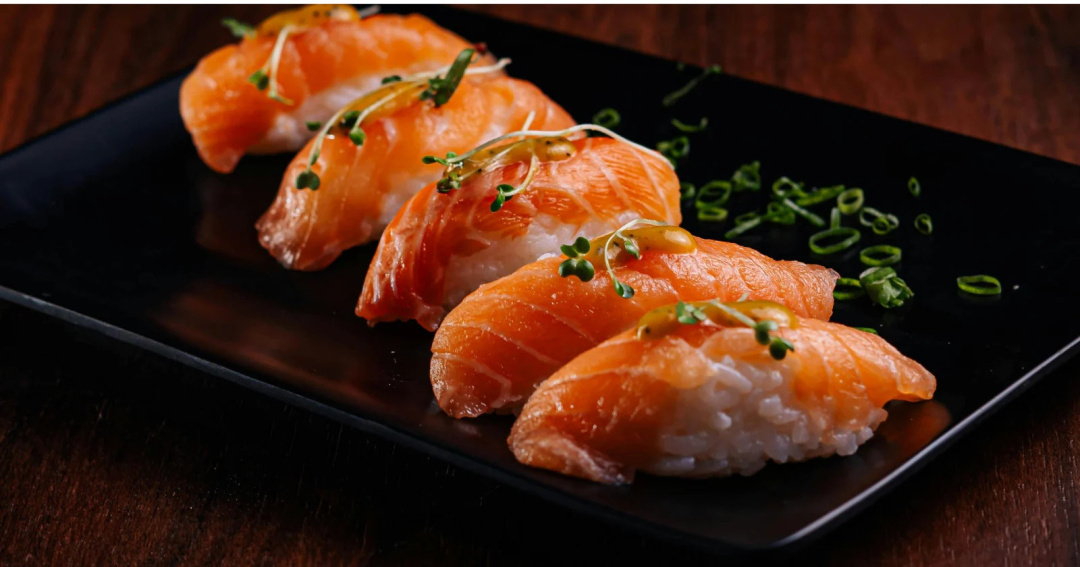
Today, salmon has become a staple in sushi restaurants across Japan, topping conveyor-belt sushi surveys for years. The shift in consumer preference reflects not only a change in culinary practices but also the successful navigation of cultural and health-related barriers. As of now, approximately 30 percent of all Norwegian salmon is consumed raw in sushi, highlighting the significant impact of this marketing campaign on both the Norwegian seafood industry and Japanese culinary traditions. The story of salmon's rise in sushi culture illustrates how a foreign product can be integrated into a cuisine, reshaping food practices and preferences over time.
This article serves as a reflection on the intersection of marketing, culture, and food safety, showcasing how perceptions can evolve and how culinary traditions can adapt to new influences. It is important to note that while the article provides insights into food culture, it does not serve as medical or professional advice regarding food safety or consumption.