New Research Identifies Immune Response Behind Statin-Induced Muscle Pain
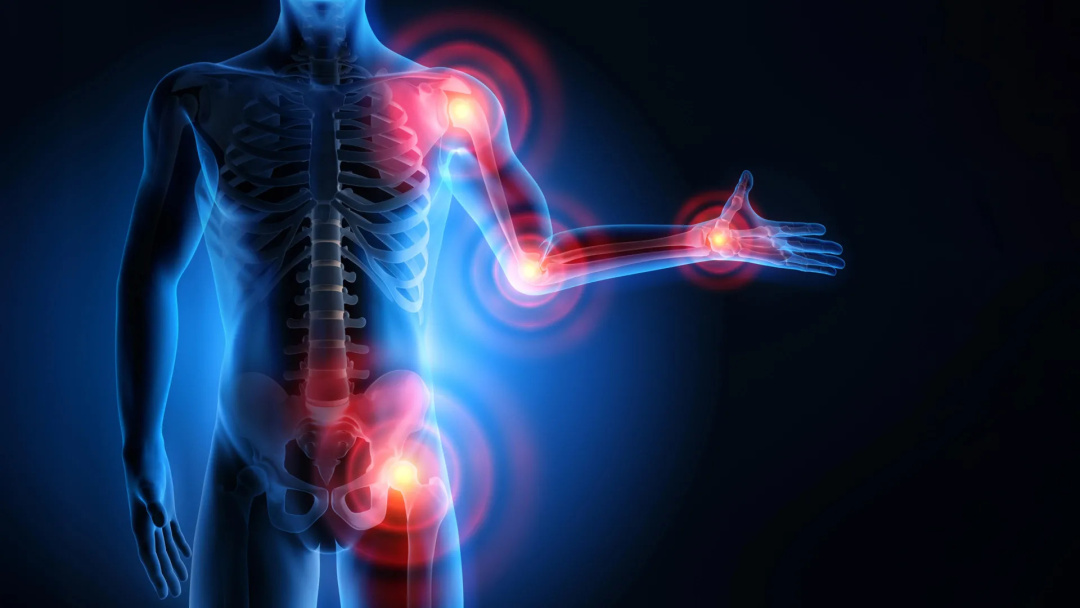
Millions of individuals rely on statins to manage cholesterol levels and reduce their risk of heart attacks and strokes. However, a subset of these patients experiences muscle pain, weakness, and exercise intolerance, which can complicate adherence to treatment regimens. A recent study conducted by researchers at McMaster University has identified a biological pathway that may clarify the origins of these muscle-related symptoms. This research, published in Science Advances, could pave the way for developing therapies that mitigate these side effects without compromising the crucial cardiovascular advantages of statins.
The study reveals a previously unrecognized interaction between the immune system and muscle cell metabolism, suggesting that the mechanism behind muscle damage caused by statins is distinct from the processes that lower cholesterol. Jonathan Schertzer, a professor in the Department of Biochemistry and Biomedical Sciences at McMaster and the study's senior author, emphasized the significance of understanding why some patients experience muscle symptoms, which can lead them to reduce their dosage or discontinue the medication entirely.
Statins are known to be among the most effective medications for reducing cardiovascular disease risk, yet an estimated seven to 29 percent of users report muscle-related issues. Despite the long-standing acknowledgment of this connection, the precise biological mechanisms have remained elusive until now.
The research team, led by first authors Nazli Robin and Nicole Barra, discovered that statins can disrupt the energy generation process within muscle cells. This disruption appears to trigger an immune response that results in tissue damage. In laboratory experiments involving muscle cells and mouse models, the researchers found that blocking this immune response significantly reduced the damage caused by statins.
One of the study's most promising findings is that the pathway responsible for muscle side effects operates independently from the cholesterol-lowering mechanism. This suggests that future treatments could potentially target the side effects without affecting the beneficial impacts of statins on cardiovascular health.
Additionally, the study highlights an unexpected link between immune responses and muscle metabolism, indicating that alterations in energy processing within muscle cells can activate their own immune responses. This insight may lead to new strategies for protecting muscle tissue while preserving the cholesterol-lowering effects of statins.
While further research is necessary to translate these findings into clinical applications, the identified pathway opens up several potential targets for medications aimed at preventing statin intolerance. Schertzer remarked that this research enhances our understanding of why certain patients experience muscle symptoms and offers promising avenues for making these vital medications safer and more effective in the future.
The study was a collaborative effort involving researchers from various institutions, including the Centre International de Recherche en Infectiologie in France, the Centre for Muscle Research at the University of Melbourne in Australia, and others. Funding for the research was provided by the Natural Sciences and Engineering Research Council of Canada (NSERC).