Doctors Warn Dark Under-Eye Circles May Indicate Low Ferritin Levels
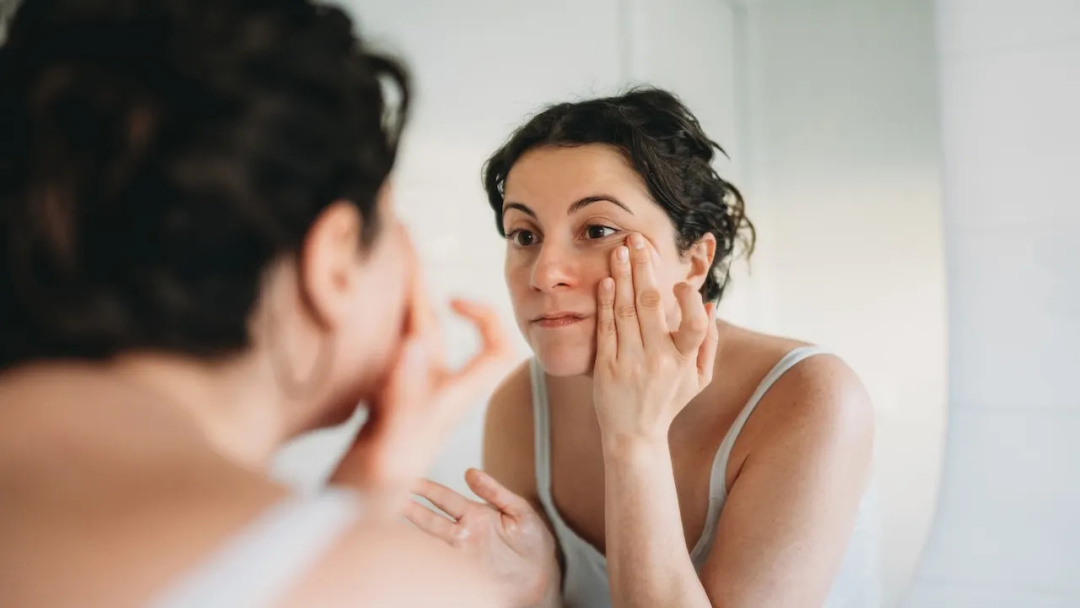
Dark under-eye circles, commonly perceived as merely a cosmetic issue, may actually indicate a more serious health concern related to low iron levels. This phenomenon, dubbed 'ferritin face' on social media, has gained attention from medical professionals who emphasize the importance of understanding its implications. Ferritin acts as the body's iron storage protein, releasing iron as needed for various bodily functions. When ferritin levels drop, the body struggles to produce hemoglobin, the iron-rich protein in red blood cells responsible for transporting oxygen. This deficiency can lead to a range of symptoms, including pale skin, fatigue, and decreased skin elasticity, making dark circles under the eyes more pronounced. Experts note that the severity of symptoms typically escalates as ferritin levels decrease. Other indicators of low iron may include low energy, dizziness, brittle nails, hair loss, and even restless legs syndrome. Furthermore, chronic conditions such as gastrointestinal disorders, heavy menstrual bleeding, and certain medications can contribute to iron deficiency. It is crucial to recognize that self-treatment is not advisable. Medical professionals stress the importance of identifying the root causes of iron deficiency to prevent recurrence. A thorough evaluation may involve blood tests, stool and urine tests, and possibly endoscopic procedures to assess internal bleeding or absorption issues. Treatment options may include oral iron supplements or intravenous iron in severe cases, but patients should be aware of potential gastrointestinal side effects. Additionally, dietary adjustments to include iron-rich foods such as red meat, leafy greens, and legumes can support recovery. Ultimately, addressing low ferritin levels can lead to a restoration of skin health and a reduction in dark under-eye circles over time.