Study Evaluates Antibacterial Properties of Ehretia cymosa Leaves Extract
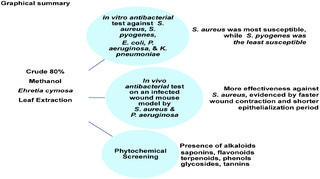
A study published in PLoS One has examined the antibacterial properties of the 80% methanol extract from the leaves of Ehretia cymosa, a plant traditionally utilized in Ethiopia for treating infections such as wounds and fever. Given the increasing global concern over antibiotic resistance, this research aims to explore alternative antimicrobial agents derived from natural sources. The study involved both in vitro and in vivo assessments of the extract's effectiveness against various bacterial strains, including Staphylococcus aureus and Escherichia coli, which are commonly associated with infections.
The researchers conducted a series of experiments, beginning with the extraction of the leaves using cold maceration in 80% methanol. The antibacterial activity was evaluated using the disk diffusion method, which revealed that the extract demonstrated significant antibacterial activity in a dose-dependent manner. The minimum inhibitory concentration (MIC) was found to range from 6.25 to 75 mg/mL, with the minimum bactericidal concentration (MBC) against P. aeruginosa and E. coli at 200 mg/mL.
In addition to the in vitro tests, an in vivo model involving mice was established to further assess the extract's efficacy. The results indicated that the E. cymosa extract facilitated faster wound contraction and reduced the epithelialization period when compared to control treatments, particularly against S. aureus. This aligns with traditional claims regarding the plant's use in wound healing.
Qualitative phytochemical screening revealed that the leaves are rich in flavonoids, terpenoids, and tannins, which are known for their potential health benefits. The study's findings not only corroborate the traditional uses of E. cymosa but also highlight the importance of further research to isolate and characterize the active compounds responsible for its antibacterial properties.
The authors recommend additional studies to explore the therapeutic applications of E. cymosa and to confirm the clinical relevance of their findings. As antibiotic resistance continues to pose significant challenges in healthcare, the exploration of natural antimicrobial agents like those derived from E. cymosa could play a crucial role in developing effective treatments for bacterial infections.














